Nurse Educator: Two Different Jobs, One Job Title
"Nurse educator" covers two genuinely different jobs. The academic nurse educator teaches in a nursing school and answers to a curriculum; the clinical or professional development educator works inside a hospital and teaches colleagues. Same title, different employers, different entry routes.
Editorial
Last reviewed · August 14, 2026

When most people hear the word “educator,” the most automatic thing to think of is someone standing in front of students in a classroom or lecture hall. While that’s accurate, colleges and universities are just some of the places where nurse educators work. These professionals also practice in hospitals, psychiatric and rehabilitation facilities, public health centers, hospice care, and other healthcare settings.
The nursing educator who teaches in college or university and the clinical nursing educator share a common mission: helping nurses learn. However, their daily responsibilities, schedule, and even the salary often differs.
If you're passionate about teaching, mentoring, and advancing the nursing profession, this article is for you. It clarifies which version of the job you're considering, why both paths have shortages, requirements for each, and how to tell if the switch makes sense for you.
Which Nurse Educator Do You Mean?
A Nurse educator is a registered nurse who applies evidence-based practices, stays current with developments in healthcare and nursing, and helps others learn. They often serve as leaders who guide teams, model best practices, and support continuous improvement in nursing care.
The title can be split in two distinct roles:
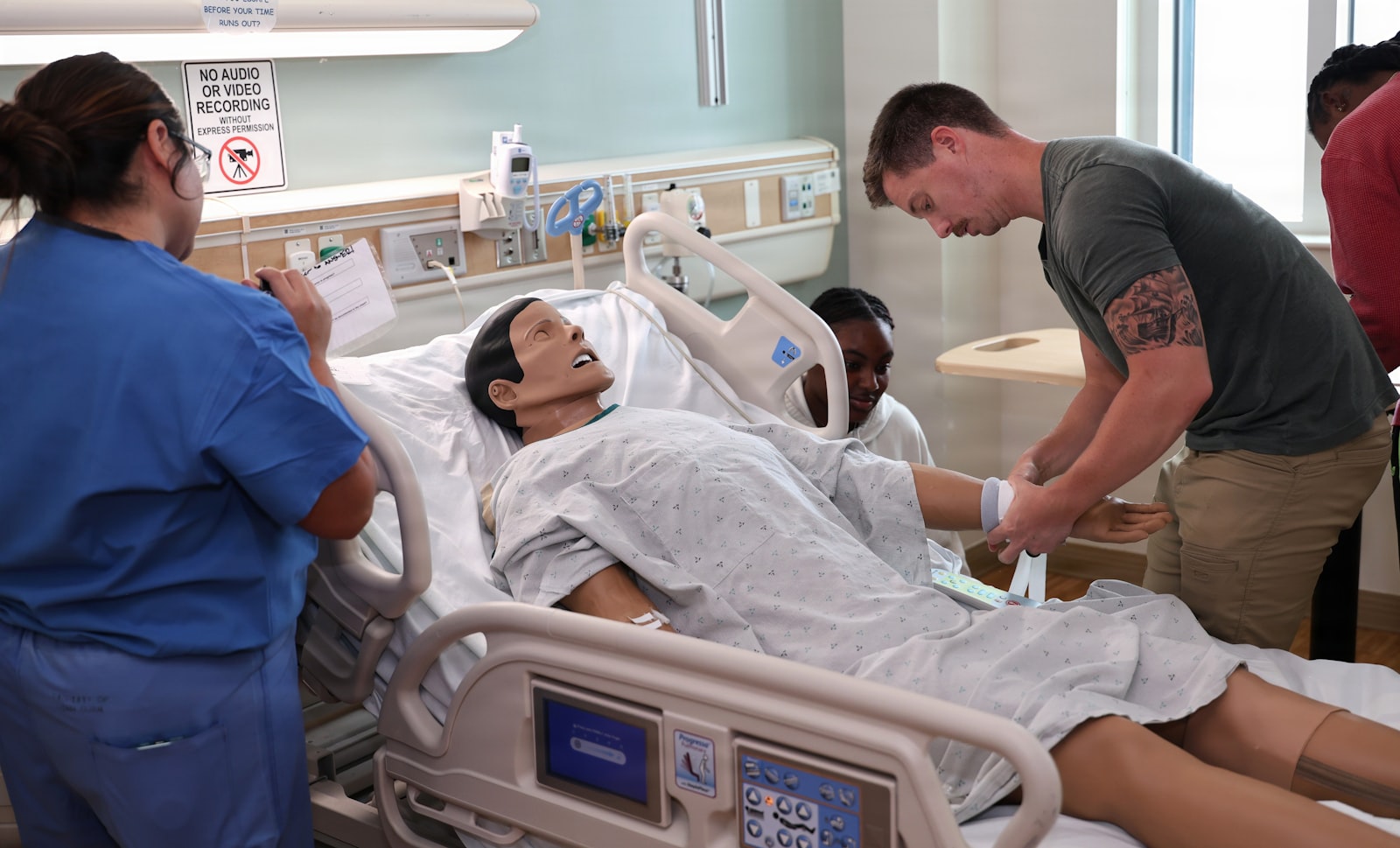
The academic nurse educator: works in nursing schools and formal nursing programs. That could in college ADN track, a university BSN programs, or a graduate level education. Daily responsibilities usually include:
Developing and structuring curriculum for nursing programs
delivering lectures on different topics
running and facilitating simulation labs
grading and assessing clinical performance of nursing students
Contributing to research and scholarship that expands the field’s body of knowledge
Contributing to research and scholarship that expands the field’s body of knowledge
serving in curriculum committees.
Their learners are people working toward a nursing license or an advanced degree, whether that is a master's or a DNP.
The clinical or staff development educator: works inside a healthcare organization, usually a hospital or health system. Staff development educator trains already-licensed nurses how to apply knowledge correctly in real patient care situations. The responsibilities typically are:
Onboarding, training, and orienting new nursing staff
Teaching clinical skills and hospital procedures
Leading continuing education and skills training
Conducting workshops, simulations, and competency assessments
Supporting quality improvement and patient safety initiatives
Helping nurses adapt to new equipment, protocols, care models, or policy changes
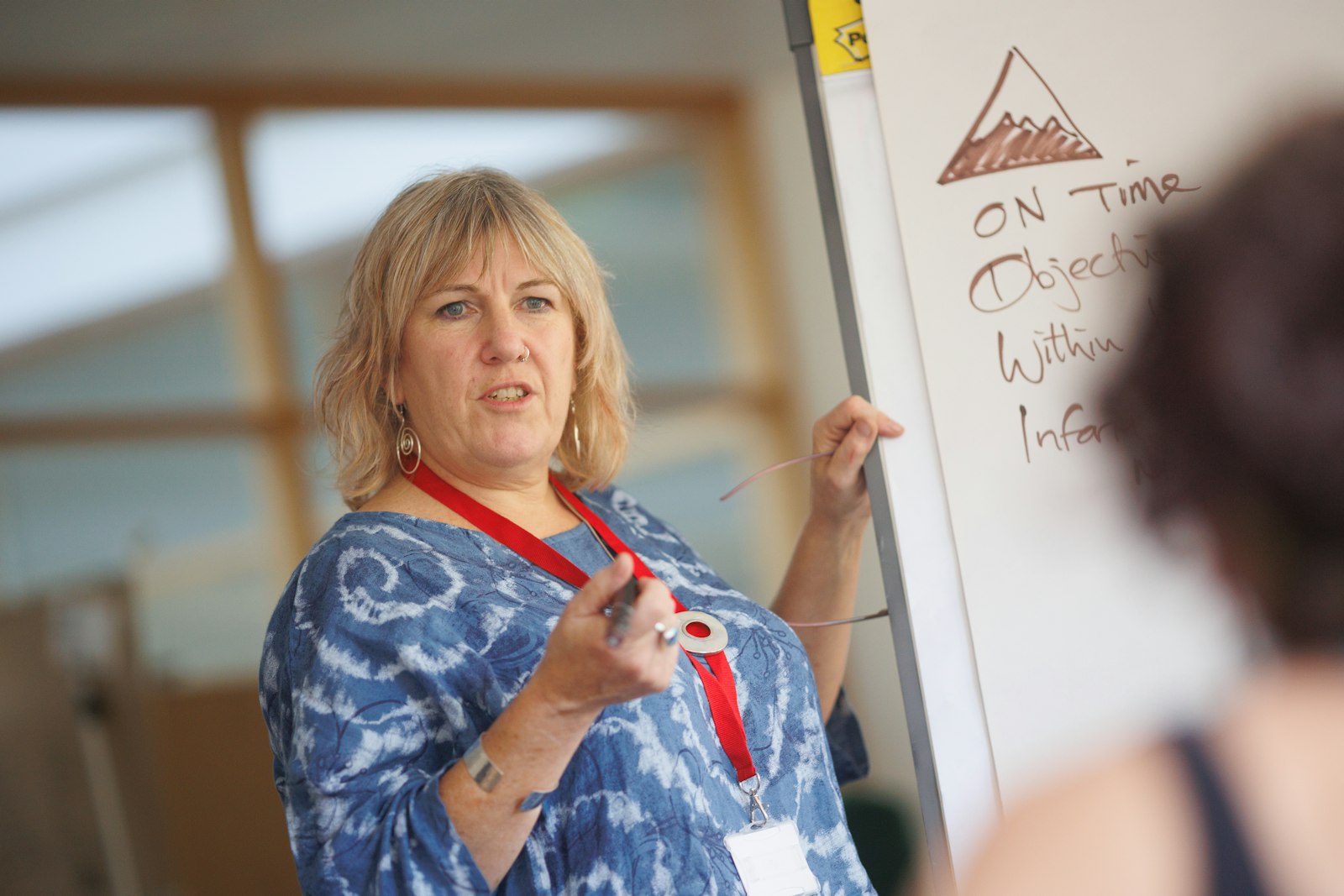
Their learners are colleagues rather than degree-seeking students. This role is commonly referred to as Nursing Professional Development (NPD) practitioner, a title recognized by the Association for Nursing Professional Development.
Comparison between Academic Nurse educator and Clinical Nurse educator
Academic Nurse Educator | Clinical / NPD Educator | |
|---|---|---|
Primary workplace | Colleges, universities, nursing schools | Hospitals, clinics, health systems |
Targeted learners | Nursing students pursuing a license or degree | Licensed nurses already on staff |
Typical focus | Curriculum design, lectures, clinical supervision, grading | Onboarding, protocols, compliance, competency validation, in-service training |
Typical schedules | Academic calendar; potential breaks between semesters | Year-round; may include various shifts |
Common credential | Certified Nurse Educator (CNE), from the National League for Nursing | Nursing Professional Development Board Certified (NPD-BC), from ANPD |
Typical minimum education | MSN (often a requirement to teach) | BSN, though many hold an MSN |
Reports to | Dean, program director, or department chair | Nurse manager, director of education, or CNO |
The Shortage, and the Sentence That Follows It
Nursing schools do not accept every qualified applicant. That's the sentence that tends to follow any discussion of nurse educators.
According to the American Association of Colleges of Nursing, faculty shortages limit how many students a nursing program can enroll, even when there are large number of qualified applicants. A 2025 special survey from AACN consisting of 863 nursing schools with baccalaureate and/or graduate programs across the country (80% response rate), 1,588 full-time faculty vacancies nationwide, representing a vacancy rate of about 7%.
Schools also reported needing about 150 additional faculty positions just to simply meet the needs of the existing student demand. Most of the vacancies (80.9%) were positions that required or preferred a doctoral degree, which illustrates how long it takes to prepare someone qualified to fill them.
The reasons behind the gap are well known. Clinical roles generally pay more than teaching roles, a gap visible in nurse salary data, for comparable expertise. The 2024 Bureau of Labor Statistics reports show that the median salary across advanced practice registered nurse roles is $132,050, compared to $93,958 for master’s-prepared professors in schools. The faculty workforce is aging, with a wave of retirements expected over the coming decade. And earning the graduate degree required to teach takes years that many nurses would prefer to spend building clinical experience or reducing student’s loan.
The hospital side of the picture looks a little different but points the same direction. Health systems still need experienced nurses willing to step away from bedside care and into a teaching role, and burnout among current educators, both academic and clinical, remains a common reason people leave the field altogether. Put simply, wherever you look, the need for people willing to teach nursing continues to outpace the supply.
How You Get In
The path depends on what you're aiming for, though both start the same way: with an active RN license and real clinical experience.
Academic Nurse Educator track: for most schools, the baseline is a master's degree in nursing (MSN). Candidates with doctoral degrees have a clear advantage given how many open positions require one. Once you begin teaching, the National League for Nursing offers the Certified Nurse Educator (CNE) credential, the most widely recognized certification for faculty in academic nursing programs.
Eligibility for CNE generally includes master’s or doctoral degree in nursing, nine or more credit hours of graduate-level education coursework (or a major in nursing education), and at least two years of teaching experience in a formal academic setting. Educators who focus specifically on clinical instruction rather than classroom teaching can pursue the Certified Academic Clinical Nurse Educator (CNEcl) credential instead.
Clinical or Staff Development track: a bachelors degree is often enough to start, though many employers prefer or require an MSN for leadership-level education roles. Once you have experience designing and delivering training for staff nurses, the Nursing Professional Development Board Certification (NPD-BC), offered through ANPD, signals that you've mastered the specialty. ANPD also runs a leadership academy and certification prep courses for nurses working toward that credential.
A summary comparison between the two
Step | Academic Path | Clinical/NPD Path |
|---|---|---|
1. Degree | MSN (many programs prefer or require a doctorate) | BSN or MSN |
2. Experience | Clinical practice, then teaching hours in an academic program | Clinical practice, then a staff education or training role |
3. Certification | CNE or CNEcl (NLN) | NPD-BC (ANPD) |
4. Ongoing | Recertify roughly every five years | Recertify per ANPD's schedule |
Either way, the credential isn't the finish line. It's proof that you've already been doing the job well enough to qualify for it.
Is It Right for You?
The honest answer depends on what you are willing to trade, and what you're hoping to gain.
If you're drawn to research, curriculum design, and the rhythm of an academic calendar, the academic path could be a better fit. It often means a lower starting salary compared to advanced clinical roles. In return, you usually gain more predictable hours, lighter summers loads, and the chance to shape how the next generation of nurses gets trained. Keep in mind that the educational timeline is longer: a traditional BSN typically takes four years, and an MSN adds another two to three years of study.
If you prefer staying closer to the floor while still shaping how nurses practice, staff development might suit you better. You keep one foot in day-to-day patient care; your schedule remains closer to the hospital’s operating rhythm and your "classroom" changes daily depending on what the unit needs. It's a natural next step for charge nurses and preceptors who already enjoy mentoring newer staff. If that role sounds familiar, it's worth comparing it to another nursing title that quietly covers more than one job description, much like our breakdown of what a charge nurse actually does day to day.
Whichever path you're weighing, it helps to picture your actual week: lecture prep and grading, or huddle-room coaching and skills fairs. Both are teaching. They just don't feel the same from the inside.
Frequently Asked Questions
Do all nurse educators need a doctorate?
No. A doctorate strengthens an academic application and opens doors to tenure-track roles, but many faculty positions, along with nearly all clinical educator roles, accept a master's degree.
Is a nurse educator the same thing as a nursing professor?
Not quite. Every nursing professor is a nurse educator, but not every nurse educator is a professor. Professor is a rank within an academic institution. Nurse educator is a broader description that also covers hospital-based training roles.
Can I become a nurse educator without leaving bedside nursing entirely?
Yes, especially on the clinical development side. Many hospitals build staff educator roles around nurses who still pick up occasional clinical shifts.
How long does it typically take to become a nurse educator?
For the academic route, expect several years: time to finish a master's or doctoral degree, plus teaching experience before you're eligible for certification. The clinical route can move faster since it doesn't require an advanced nursing-education degree, though most employers still want a solid stretch of bedside experience first.
Which path pays more?
It varies by region and setting, but advanced academic roles with a doctorate and tenure track can eventually out-earn many staff development positions. Early on, the gap is often smaller than people expect.
The Bottom Line
"Nurse educator" isn't one job. It's a shared label for two careers that both revolve around teaching, but look and pay differently depending on where you land.
Academic nurse educators shape nursing students inside classrooms and clinical labs, usually need a graduate degree, and can pursue the NLN's CNE credential. Clinical and staff development educators train working nurses inside hospitals, can often start with a BSN, and can pursue ANPD's NPD-BC credential.
Both paths matter more than ever, since faculty vacancies keep limiting how many new nurses schools can train in the first place. Before you chase either title, get specific about which classroom you actually want: one full of students working toward a license, or one full of colleagues sharpening the skills they already have.
Written by · Verified educator
Testavia editorial
Nathan Cole
RN
Medical-Surgical nurse & health writer
Meet Nathan, a registered nurse with over five years of experience in Medical-Surgical care, based in New York City. Having worked with a wide range of patients through some of their most vulnerable moments, Nathan brings a grounded, real-world perspective to his writing on healthcare. His goal is simple: to bridge the gap between medical knowledge and everyday understanding, making health topics feel less intimidating and more empowering for everyone. When he's not caring for patients, Nathan channels his passion for medicine into writing that educates, comforts and inspires.
5+
Years in Med-Surg
Medical-Surgical
Specialty
New York City
Based in