Wound Care Nurse: The Specialty Without a Patient Load
A wound care nurse is consulted for specific cases rather than assigned a patient list. That single structural difference — consulted, not assigned — changes the shape of the day more than the clinical content does, and it is the part most descriptions of the role leave out.
Editorial
Last reviewed · August 17, 2026
Medically reviewed
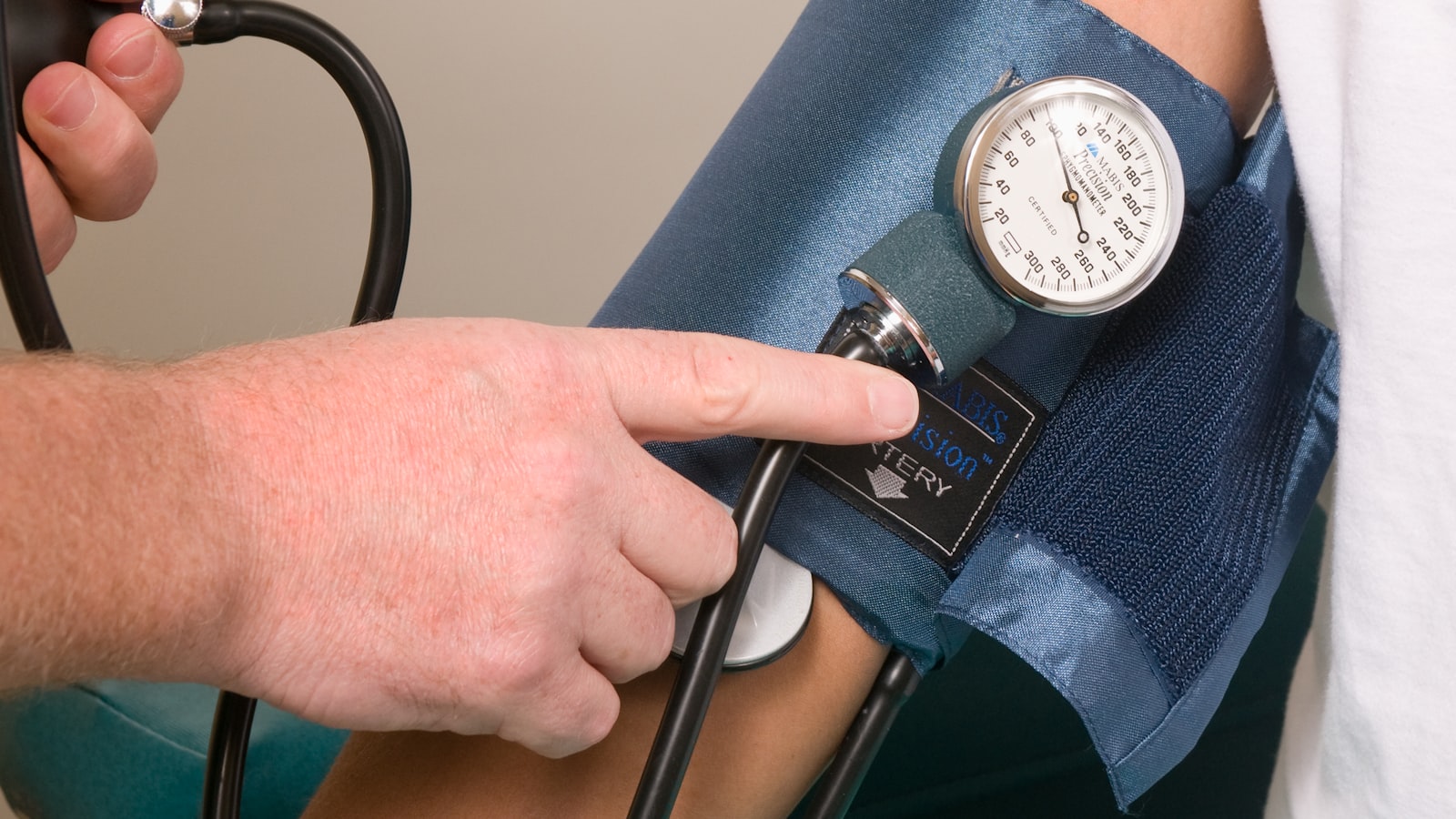
Most nurses start a shift with an assignment already waiting for them. Daily tasks often stretch across eight or twelve demanding hours. But not all nursing specialties follow this model, and wound care nursing is one of them.
Instead of managing a fixed patient panel, a wound care nurse is consulted for specific cases. She assesses the wound, develops a care plan, provides expert intervention, and then moves on to the next referral. This structure is one of the features that makes the specialty appealing. If this is a specialty you’d consider, this article explores what a wound care nurse’s role looks like. It also covers the two main credentialing paths and helps you determine whether the position fits the way you prefer to work.
What Does a Wound Care Nurse Actually Do?
A wound care nurse is a specialist consulted for complex wounds rather than assigned a patient list. They stage and measure wounds, select dressings and therapies, document healing trajectory, and advise the teams actually delivering daily care — across hospitals, long-term care, home health and outpatient clinics. Ostomy and continence management usually sit in the same remit.
The title “wound care nurse” suggests someone tasked with dressing patients’ wounds. In reality, the specialty involves far more responsibilities.
Wound care nurses deliver specialized services to patients with both chronic and acute wounds. Their work goes well beyond routine bandage changes and includes identifying wound types, selecting appropriate treatments, preventing infections, and addressing underlying factors that slow healing. Common conditions they manage include pressure injuries, non-healing surgical wounds, diabetic foot ulcers, and venous or arterial leg ulcers.
On a typical day, a wound care nurse stages the wound, measures its progress, documents changes with photography adjusts the treatment plan if need be, and coordinates with other healthcare players such as surgeons, physicians, dietitians, and physical therapists when healing does not proceed as expected.
This role is needed in nearly every care setting. In hospitals for example, wound care nurses often operate an inpatient consult service. In long-term care facilities and skilled nursing homes, they make rounds across multiple units or buildings. Outpatient wound clinics and hyperbaric oxygen centers allow them to focus exclusively on complex, non-healing wounds.

The Bureau of Labor Statistics outlines general registered nurse duties as assessing patient conditions, recording medical information, and administering treatments. Wound care nursing builds as a specialized layer on top of this foundational RN scope rather than functioning as a completely separate occupation.
Comparison: Staff (Bedside) Nurse vs. Wound Care Nurse
Task | Staff (Bedside) Nurse | Wound Care Nurse |
|---|---|---|
Dressing changes | Performs routine changes according to the existing care plan | Designs the treatment plan the bedside nurse follows |
Wound staging | Notes basic observations | Formally stages and documents (e.g., pressure injury stage 1- V) |
Product selection | Uses what is stocked on the unit | Evaluates and recommends specialty dressings, negative pressure wound therapy (NPWT), offloading devices, and more |
Education | Reinforces the existing plan with the patient | Trains staff facility-wide on prevention and treatment protocols |
Documentation | Charts care provided during the shift | Maintains wound measurement history and photo records over weeks |
These specialists also address related issues such as ostomy care and continence management in many cases. Their focused expertise helps reduce hospital stays, prevent infections, and improve quality of life to many patients.
Consulted, Not Assigned
A typical medical-surgical nurse shows up for a shift and receives a group of assigned patients. She becomes responsible for every aspect of their care- from medications, vital signs, hygiene, assessments, to documentation, until the shift ends. But a wound care nurse operates differently. She isn’t assigned a fixed census at the start of the day/shift. Instead, the primary nurse or physician places a consult, and the wound care specialist responds. After competing the assessment, performing the necessary interventions, and finishing documentation, she moves on to the next referral, which might be on a completely different floor or in a separate building entirely.
This consult-based model means there is no fixed daily patient load. Some days may bring only five consults, while others involve fifteen or twenty.

This model delivers several advantages:
It allows deeper focus on wound expertise without the fragmentation of general duties. Many Nurses enjoy more predictable schedules and opportunities for specialized procedural work.
WOC nurses also gain variety by moving between departments or facilities, such as long-term care and outpatient clinics.
The consultative approach positions WOC nurses as educators and problem-solvers within the health-care team.
They empower other staff members while delivering specialized interventions that lead to measurable differences in patient outcomes.
Comparison: Floor Nurse Assignment vs. Wound Care Consult Model
Feature | Floor Nurse Assignment | Wound Care Consult Model |
|---|---|---|
Daily structure | Fixed patient list for entire shift, typically 4-6 patients | Consult-based, No patient list, just rotating queue of consult requests. |
Location | One unit for the shift | Multiple units, sometimes multiple buildings or floors |
Medication Administration | Core responsibility | Not a primary duty |
Relationship with patient | Ongoing, shift to shift | Episodic, expert focused, tied to the wound's healing course |
Physical demand | High: bathing, turning, transfers | Lower direct-care load, more walking and documentation |
##
The Two Routes In
Becoming a wound care nurse requires an active RN license. For full certification through the Wound, Ostomy and Continence Nursing Certification Board (WOCNCB), candidates also need a bachelor’s degree or higher. The WOCNCB has been setting the standard for credentialing in this field since 1978, and they offer two distinct pathways to eligibility.
Traditional pathway
The traditional pathway involves graduating from a Wound Ostomy, and Continence Nursing Education Program (WOCNEP) accredited by the WOCN Society. That program needs to have been completed within the five years before the exam application. If more time has passed, the candidate must qualify through the experiential pathway instead. These accredited programs combine classroom coursework with supervised clinical practice.
Experiential pathway
The experiential pathway works best for nurses who have built substantial wound expertise on the hands-on-practice rather than through a formal program from WOCNEP.
It requires:
50 continuing education(CE) or continuing medical education (CME) credits per specialty area, earned over the five years before applying
1,500 practice hours in the specialty within the past five years, with 375 of those hours occurring within the year prior to application
All hours must be accumulated post-bachelor's degree while practicing as an RN
> For nurses seeking certification in all three areas (wound, ostomy, and continence), the requirements increase to: 4,500 total practice hours and 1,125 hours within the prior year. Review the complete eligibility requirements from WOCNCB.
Either pathway leads to one or more respected credentials:
CWCN-Certified Wound Care Nurse
COCN- Certified Ostomy Care Nurse
CCCN - Certified Continence Care Nurse
CWON- Certified Wound Ostomy Nurse
CWOCN Certified Wound Ostomy Continence Nurse
Certification is renewable after every 5 years.
Once earned, certification needs to be renewed every five years.
Comparison of the two pathways
Requirement | Traditional Pathway | Experiential Pathway |
|---|---|---|
Formal education | Graduate of an accredited WOCNEP | Not required |
Program timing | Completed within 5 years of application | Not applicable |
Continuing education | Included in the WOCNEP program | 50 CE/CME hours per specialty over 5 years |
Practice hours | Supervised clinical hours within the program | 1,500 hours per specialty (4,500 for tri-specialty) |
Recent-hours rule | Not separately required | 375 hours in the past year (1,125 for tri-specialty) |
Best fit for | Nurses seeking structured specialty training | Experienced RNs already doing performing wound care informally |
Before any of this becomes possible, a candidate needs an active RN license to begin with. That starts with nursing school and a passing score on the NCLEX-RN. For those aiming to become an RN as quickly as possible, an accelerated BSN program is typically the fastest route to RN licensure.
Is It Right for You?
Wound care nursing tends to fit nurses who:
like detail-oriented work and are comfortable following the same cases over weeks or months instead of resolving issues in a single shift. Because wound healing is often a slow process, patience is just as important as clinical skill.
like teaching others, since a large part of the job involves training floor staff on prevention protocols and proper dressing technique rather than doing all the hands-on care personally.
Feel comfortable with photography and detailed measurement documentation, since wound tracking depends on consistent records over time.
Value autonomy, and love serving as subject matter expert since the role consultative in nature which gives nurses greater independence in their daily practice.
That said, the role may not suit everyone. Nurses who prefer an ongoing, close relationship with a stable group of patients may find the consult model not suitable for them. The daily volume can feel unpredictable can also feel less structured than a fixed assignment. Although the physical demands differ from bedside nursing, wound care still involves standing, walking between units, and working with wounds that are not always easy to look at.
Regarding the pay and outlook, the Bureau of Labor Statistics does not track wound care nursing as a separate occupation. the closest available benchmark is the general registered nurse data. As of May 2024, the median annual wage for registered nurses was $93,600. The agency projects RN employment overall to grow 5 percent from 2024 to 2034, with roughly 189,100 openings projected each year on average over the decade. Specialty certification often brings a pay differential, but the size of that premium varies by employer and region. It is wise to check current compensation with specific facilities rather than relying on general figures.
Frequently Asked Questions
What is the difference between a wound care nurse and a WOC nurse?
“Wound care nurse” is the general term used for anyone working in this specialty. “WOC nurse” refers more specifically to a nurse certified in wound, ostomy, and continence care, typically holding the CWOCN credential. A nurse can be certified in wound care only (CWCN) without ostomy or continence certification, so the terms overlap but are not identical.
Do I need a BSN to become a wound care nurse?
Yes. The WOCNCB requires a bachelor’s degree or higher to sit for any wound, ostomy, or continence certification exam, regardless of the pathway chosen. Nurses with an associate degree must first complete an RN-to-BSN program.
How long does it take to become a certified wound care nurse?
It depends on the pathway. The traditional route through an accredited WOCNEP typically adds several weeks to a few months of formal coursework and clinical practice on top of existing RN experience. The experiential pathway can take up to five years, since it is built around accumulating practice hours and continuing education credits over time.
Is wound care nursing less physically demanding than bedside nursing?
In some ways, yes. A wound care nurse is not responsible for total patient care, bathing, turning, or transfers, for an entire assigned group of patients each shift. That said, the role still involves a fair amount of walking between units, standing during assessments, and detailed documentation, so lighter does not mean easy.
What does a wound care nurse typically earn?
There is no separate government wage category for wound care nursing specifically. The general registered nurse benchmark from the Bureau of Labor Statistics is a reasonable starting point, and certified specialists often see a pay differential on top of that base, though the exact amount depends heavily on employer and location.
Bottom Line
Wound care nursing offers a different rhythm than bedside work. Instead of an assigned patient list, the job runs on consults, pulling a nurse across units and sometimes across buildings, with a caseload that shifts from day to day rather than staying fixed for a shift. Reaching this specialty starts with the basics every RN needs: nursing school, a passing NCLEX-RN score, and a bachelor's degree. From there, WOCNCB offers two ways in, a traditional accredited education program or an experiential pathway built on documented practice hours and continuing education, both leading to credentials like CWCN or the full tri-specialty CWOCN. Recertification every five years keeps the credential current as wound care evidence and products evolve. For nurses weighing whether the shift from fixed assignment to consult-based rounding fits their working style, shadowing a WOC nurse for a full shift is the clearest way to find out before committing to the certification path.
Written by · Verified educator
Testavia editorial
Nathan Cole
RN
Medical-Surgical nurse & health writer
Meet Nathan, a registered nurse with over five years of experience in Medical-Surgical care, based in New York City. Having worked with a wide range of patients through some of their most vulnerable moments, Nathan brings a grounded, real-world perspective to his writing on healthcare. His goal is simple: to bridge the gap between medical knowledge and everyday understanding, making health topics feel less intimidating and more empowering for everyone. When he's not caring for patients, Nathan channels his passion for medicine into writing that educates, comforts and inspires.
5+
Years in Med-Surg
Medical-Surgical
Specialty
New York City
Based in