Taking the NCLEX in California: Board, ATT & Test Centers
The NCLEX is a uniform national exam, but California adds its own administrative sequence. You apply to the Board of Registered Nursing first, clear a Live Scan background check, then register with Pearson VUE. The Authorization to Test issues only after the board confirms eligibility.
Editorial
Last reviewed · August 3, 2026

The NCLEX is a uniform national examination, but state regulatory boards manage specific administrative requirements. To sit the exam in California you apply directly to the California Board of Registered Nursing, complete a mandatory fingerprint-based background check, and register with Pearson VUE. An Authorization to Test can only be generated after state eligibility is officially confirmed by the board.
California enforces a strict board-first application sequence. Submit all required documentation to the state regulatory board prior to scheduling your exam attempt with Pearson VUE. To ensure comprehensive readiness for both content mastery and test strategy, review the complete Testavia NCLEX Prep Guide.
Is the NCLEX different in California?
No, the NCLEX California examination is not a different test. The NCLEX is a uniform national nursing examination built directly to a single, standardized National Council of State Boards of Nursing (NCSBN) test plan. Every structural component-including the passing standard, experimental next-generation item types, adaptive formatting, and computerized adaptive testing (CAT) algorithms-remains completely identical across all fifty states. The only variations candidates encounter are the specific administrative entry requirements, fees, and credential verification procedures enforced by the California Board of Registered Nursing (BRN). Whether an applicant registers for the registered nurse or practical nurse version of the exam, the testing software draws from the same national item pool to evaluate clinical judgment.
Therefore, taking the exam in this state does not mean facing a uniquely difficult curriculum. It simply requires navigating a distinct, board-regulated application process before scheduling a local testing center date. The exam plan, passing metrics, and scoring protocols do not change across state lines — see our overview of how Pearson VUE administers the NCLEX.
Core testing realities to keep in mind:
Identical questions: A graduate testing in Los Angeles sees the same pool of next-generation items as a candidate in any other state.
Identical scoring: The computerized adaptive testing algorithm utilizes uniform national passing metrics.
No local material: Preparation must focus on universal core nursing competencies rather than regional curriculum variations.
How to apply through the CA BRN
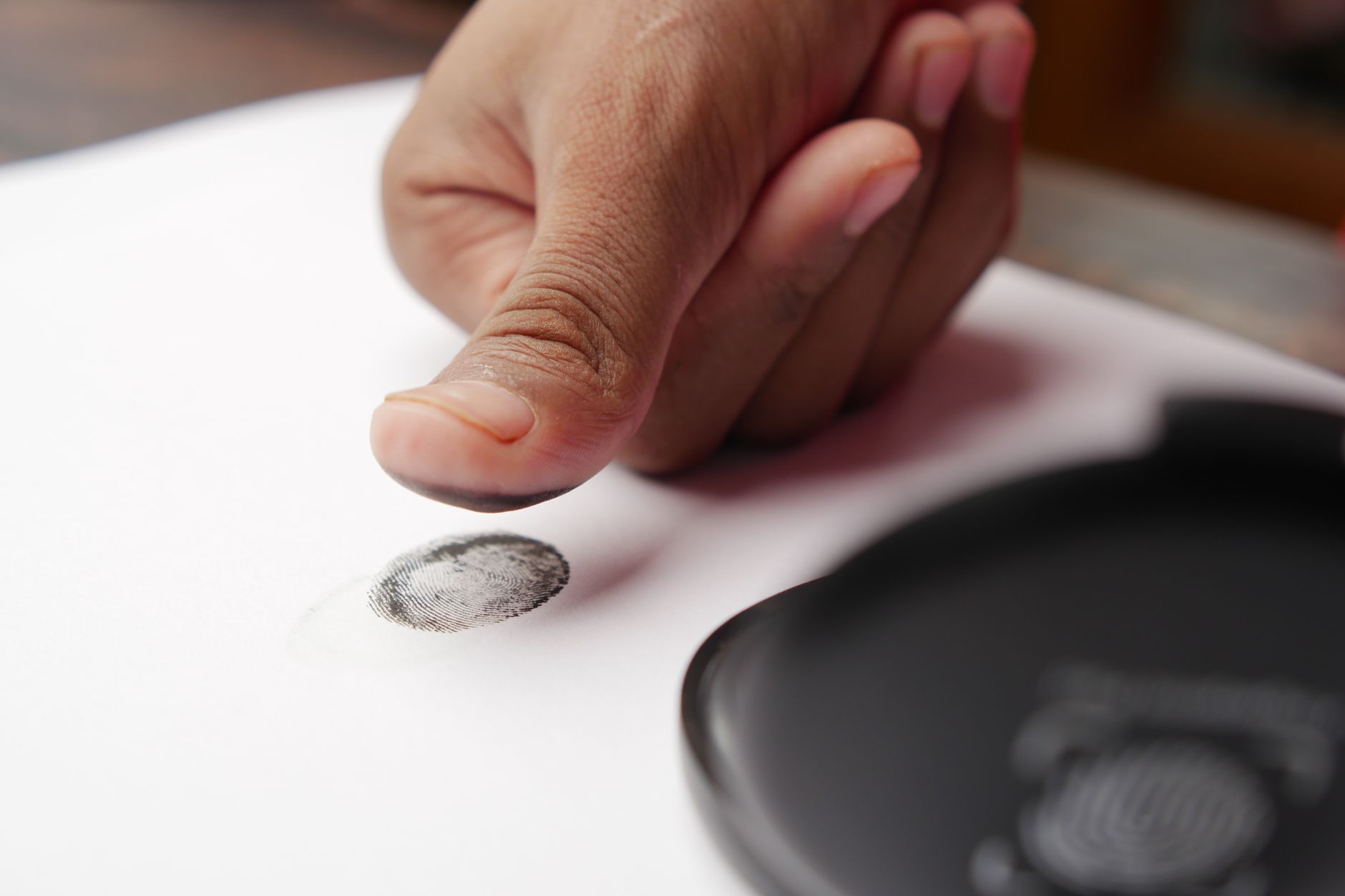
To successfully register for the NCLEX California examination, candidates must follow a strict administrative sequence regulated directly by the state. You must first apply to the California Board of Registered Nursing (BRN) to request formal examination eligibility. Immediately following your application submission, you must complete the mandatory criminal background check via Live Scan electronic fingerprinting, as required by California state law.
Only after initiating these board steps should you register and submit your examination fee through the Pearson VUE testing portal. Once the BRN processes your transcripts and background clearance, they notify the testing service to release your official Authorization to Test (ATT) voucher. Attempting to complete these steps out of order constitutes a severe processing trap; registering with Pearson VUE before the board establishes eligibility frequently causes registrations to expire prematurely, leaving candidates with a forfeited fee and no ATT.
The mandatory step-by-step registration sequence:
Board Application: Submit your initial request for licensure by examination directly to the California Board of Registered Nursing.
Background Clearance: Complete the state-mandated Live Scan electronic fingerprinting process to clear your criminal background check.
Testing Registration: Create your official profile and pay the standard examination fee via the Pearson VUE portal.
Eligibility Verification: Await the board's manual review of your academic transcripts and completed fingerprint records.
Exam Scheduling: Receive your digital Authorization to Test voucher and book an appointment at a regional center. Our guide to the ATT and how to use it covers the validity window.
Step | Who handles it | What it produces | Common mistake |
|---|---|---|---|
1. Board application | California BRN | Request for licensure by examination on file | Assuming Pearson VUE registration starts the process |
2. Live Scan fingerprinting | California DOJ, via a Live Scan provider | Criminal background clearance | Delaying it until after registering with Pearson VUE |
3. Pearson VUE registration | Pearson VUE | Exam fee paid, candidate profile created | Registering before the board has your application |
4. Eligibility verification | California BRN | Board confirms transcripts and background clearance | Expecting an ATT before this completes |
5. Scheduling | Pearson VUE | ATT issued, test date booked | Letting the ATT validity window lapse |
Critical processing traps to avoid
The single most common failure mode for applicants is executing this order backward. If you submit your payment to Pearson VUE before the BRN formally processes your background checks and graduate files, your 365-day testing account window can expire while you wait for the state to grant approval. This identical scheduling trap mirrors the exact procedural errors seen in standard retake workflows. To ensure accuracy, verify your steps directly through official channels instead of relying on external timelines.
California test centers and scheduling
Candidates can begin scheduling the NCLEX California examination the moment their official Authorization to Test (ATT) voucher arrives via email. Testing appointments must be completed strictly within the exact validity window printed on your active digital document. To verify current administrative deadlines, expiration parameters, and extension restrictions, candidates should review the official NCSBN Candidate Bulletin. Because test slots are dynamic, you should plan your test day around broad geographic regions rather than searching for specific physical street addresses. Available testing seats across California's massive territory shift continuously based on institutional demand and local facility hours.
Secure your preferred testing date by checking live seat availability on the formal Pearson VUE NCLEX dashboard rather than relying on outdated third-party lists. Securing an early appointment confirms your selected date and satisfies your administrative testing window.
Key testing regions to monitor:
The San Francisco Bay Area: High-density urban options across major northern counties.
The Greater Los Angeles Basin: High-volume testing environments with rapidly filling schedules.
The Central Valley Corridor: Crucial localized hubs serving expansive inland agricultural sectors.
San Diego and Southern Border Districts: Regional settings managing high local candidate volumes.
Sacramento and Northern Regional Hubs: Dispersed testing centers accommodating northern territorial applicants.
The practical travel constraint: Do not look up specific testing address rosters online, as individual facilities alter their operational capacities regularly. The true logistical hurdle for California candidates is regional geography. Outside of dense metropolitan areas, open testing seats fill fast. If you delay your booking, you may be forced to schedule an appointment in a completely different county, turning your exam day into a multi-hour commute.
After you pass: from result to CA license
Achieving a passing score on the examination fulfills the academic assessment requirement. But it does not grant an active nursing license. Once Pearson VUE finishes scoring your test data. Your official performance results are transmitted directly back to the California Board of Registered Nursing (BRN) for administrative processing. The state regulatory body manages the final credentialing timeline entirely within its own internal workflow. According to the official National Council of State Boards of Nursing (NCSBN) compact registry. California operates strictly as a non-compact state, issuing single-state licenses that do not grant multistate practice privileges.
If you do not meet the passing standard on your examination attempt, your immediate next step is to notify the state board to initiate the resetting process. Repeat candidates must submit a fresh application packet directly to the BRN to clear their profile and unlock a new testing voucher before accessing Pearson VUE center schedules again.
The retake process if you fail: If your attempt is unsuccessful, the California board acts as your primary point of contract for reapplication. The state requires a mandatory waiting interval before an applicant can receive a new testing voucher. Read the exact registration sequence to reset your timeline in our detailed guide explaining how to retake the NCLEX.
The post-exam administrative handoff:
Result transmission: Pearson VUE delivers your electronic score file directly to the California licensing board.
Licensure verification: The board conducts its final internal file audit before issuing an official license number.
Information boundary: For details regarding account registration, profile updates, renewal processing, and state status searches, consult our specialized guide on the California BRN and your license.
Multi-state rules and practice limits: Licensing structures and practice boundaries vary significantly depending on state-level legislation. To see how individual jurisdictions enforce local versus national restrictions, review our guide outlining what a nursing license requires. To monitor real-time legislative shifts and see which states are in the compact. Check the formal NCSBN Nurse Licensure Compact page.

Written by · Verified educator
Testavia editorial
Nathan Cole
RN
Medical-Surgical nurse & health writer
Meet Nathan, a registered nurse with over five years of experience in Medical-Surgical care, based in New York City. Having worked with a wide range of patients through some of their most vulnerable moments, Nathan brings a grounded, real-world perspective to his writing on healthcare. His goal is simple: to bridge the gap between medical knowledge and everyday understanding, making health topics feel less intimidating and more empowering for everyone. When he's not caring for patients, Nathan channels his passion for medicine into writing that educates, comforts and inspires.
5+
Years in Med-Surg
Medical-Surgical
Specialty
New York City
Based in