ACLS Certification 2026: Who Needs It, Cost & Renewal
Advanced Cardiovascular Life Support (ACLS) is a two-year American Heart Association credential proving you can lead a resuscitation — read cardiac rhythms, run the algorithms, and direct the code team. Here’s who needs it, the 2026 course formats, what it costs, and exactly how to certify or renew.
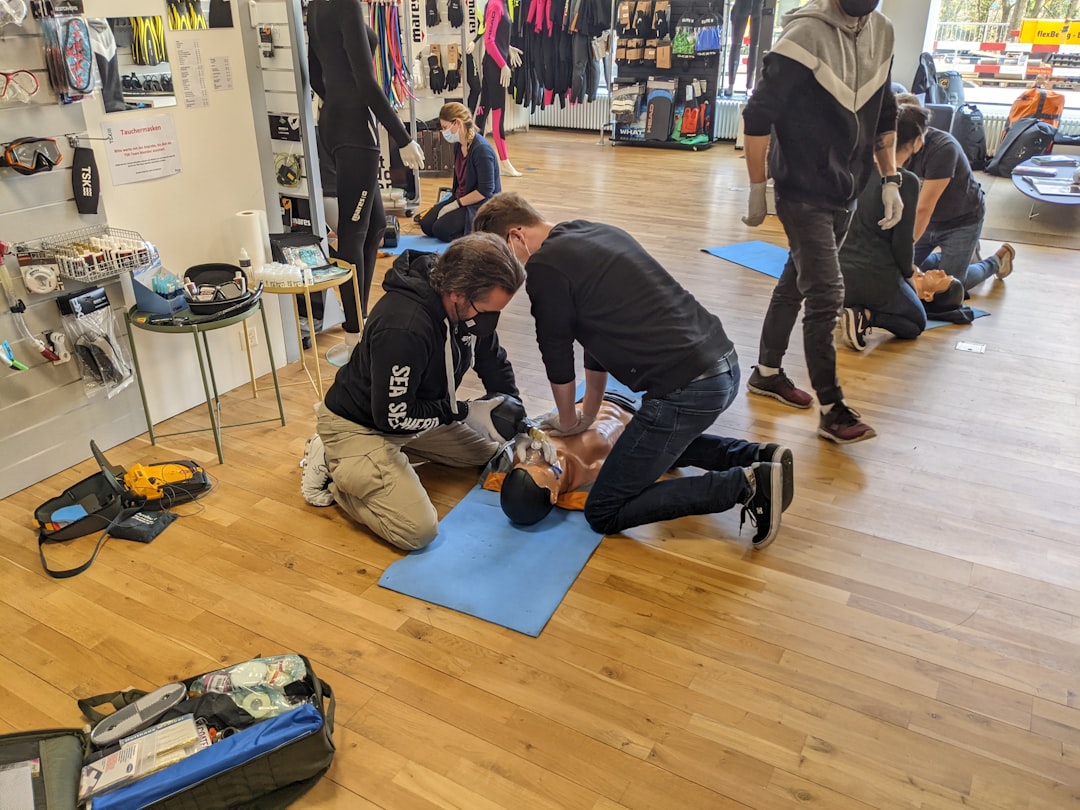
Advanced Cardiovascular Life Support (ACLS) certification is an American Heart Association (AHA) credential proving a healthcare professional has mastered the management of cardiovascular and respiratory emergencies. It is required for many providers in emergency and critical-care roles. This guide covers what ACLS actually involves, who needs it, the 2026 course formats, exactly how to certify or renew, what it costs, and how it compares to BLS and PALS.
What is ACLS certification?
ACLS stands for Advanced Cardiovascular Life Support — an American Heart Association credential that trains medical professionals to treat cardiac arrest, dangerous arrhythmias, stroke, myocardial infarction, and pulmonary arrest in adult patients. It confirms your ability to perform resuscitation, interpret cardiac rhythms, choose the correct medications, coordinate an emergency response team, and make time-critical decisions under pressure.
The ACLS course builds directly on Basic Life Support (BLS) certification. BLS covers CPR and the fundamentals of rescue response; ACLS extends that to:
Systematic assessment approach
Advanced airway management
Rhythm recognition
Defibrillation and cardioversion
IV/IO access (information only)
Use of medications
Transcutaneous pacing
High-performance resuscitation teams
Upon completing the course and passing a written exam and a practical megacode skills evaluation, you receive a certification card valid for two years — counted through the end of the expiration month.
Card detail | Value |
|---|---|
Validity period | 2 years, through the end of the expiration month |
Issued by | American Heart Association |
Written exam passing score | 84% minimum to proceed to megacode |
Who needs ACLS certification?
ACLS certification is required for healthcare professionals whose duties involve responding to or managing life-threatening cardiac or pulmonary emergencies — and it applies well beyond emergency medicine. Most entry-level hospital roles do not require ACLS, but many ICU, ED, and step-down positions expect it within 30 to 90 days of hire.
Role / specialty | Why ACLS is required |
|---|---|
Emergency department nurses | First responders for cardiac arrest and stroke presentations |
ICU / critical care nurses | Manage unstable patients and lead unit resuscitations |
PACU nurses | Post-anesthesia patients have elevated airway/cardiovascular risk |
OR nurses and CRNAs | CRNAs lead anesthesia-related emergency management |
Physicians (EM, cardiology, IM) | Direct medical response and team leadership |
Nurse practitioners and PAs | Advanced practice providers in acute/urgent care |
Advanced-level paramedics and EMTs | Pre-hospital arrest, advanced airway, medications |
Respiratory therapists | Airway lead during codes |
Flight nurses and transport teams | Managing critical patients during transport |
Cardiac cath lab staff | Patients can deteriorate abruptly during procedures |
OB nurses (selected settings) | High-risk L&D units managing maternal cardiac emergencies |
Course formats: in-person vs. blended
ACLS is not a single product. The AHA offers several delivery formats, and non-AHA vendors offer more. The right one depends on your schedule, how your employer verifies credentials, and whether this is a first-time course or a renewal.

AHA options
Classroom / traditional in-person — AHA instructor-led classroom with written exam and megacode skills testing in a single full day (~8 hours). Best for first-time candidates who want structured learning and immediate feedback.
HeartCode ACLS blended — self-paced online cognitive work at home, followed by a hands-on skills session with an AHA instructor or voice-assisted manikin (VAM). The skills session runs roughly 6–8 hours with breaks. Best for learners who need scheduling flexibility.
Self-guided learning — online cognitive portion, then a hands-on skills portion at an approved CPR verification station. Completion time depends on experience.
Non-AHA options
Live online / virtual instructor-led — scheduled video class over Zoom or similar; a separate skills session is still required.
Fully online (challenge exam) — cognitive exam only, no hands-on component. Not recommended for clinical roles that require employer verification.
The AHA format is universally accepted by U.S. hospitals. Fully online certifications from non-AHA vendors are frequently rejected by hospital credentialing departments — always confirm with your employer before enrolling in any non-AHA format.
How to get certified and how to renew
Getting certified for the first time
Confirm your BLS certification is current. A valid BLS provider card is a precondition for enrollment because ACLS builds on foundational CPR and emergency-response skills.
Choose in-person or online training and an accredited provider so your card won’t be rejected by employers.
Attend your course and study the material. Print or bookmark the cardiac-arrest, bradycardia, tachycardia, ACS, and stroke algorithms; review drug doses and rhythm-strip recognition. Three to four focused hours in the week before class is a reasonable target.
Pass the written exam. It covers algorithms, pharmacology, rhythm interpretation, and team dynamics. You need 84% or higher before megacode testing.
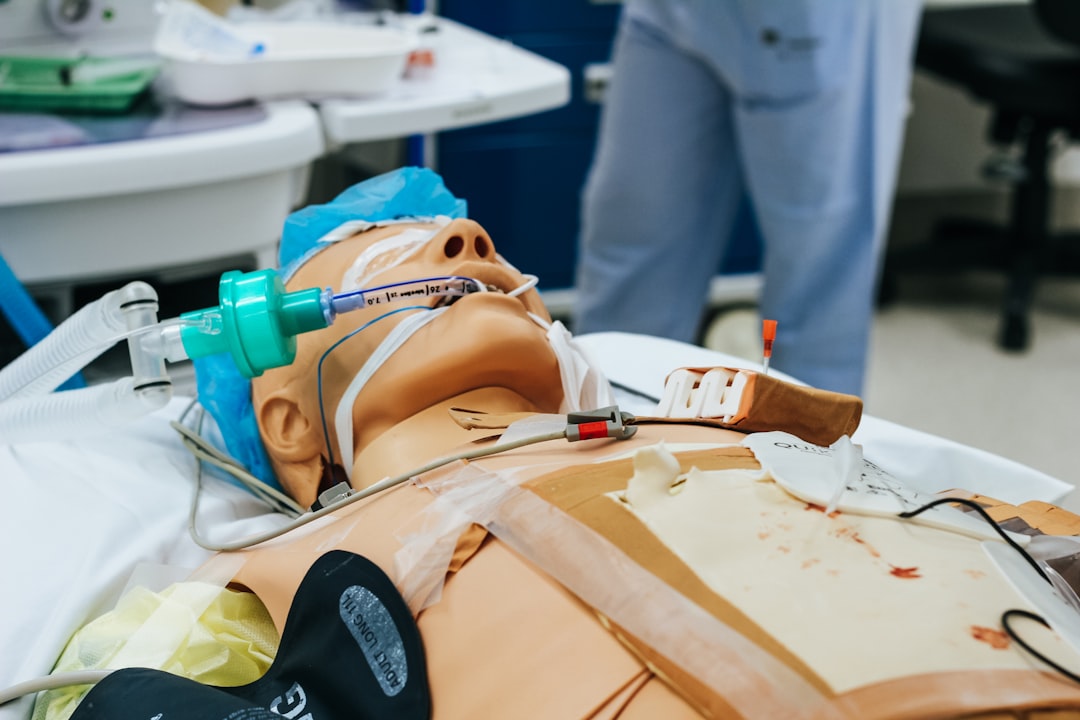
Complete the megacode skills evaluation — a simulated resuscitation where you demonstrate team leadership, algorithm application, and correct skill performance.
Receive your ACLS card, issued the day of class upon passing both components and valid for two years through the end of the expiration month.
Renewing your ACLS certification
Renewal is a condensed version of the initial process. The ACLS for Experienced Providers path is for clinicians with a current, uninterrupted card who want a faster course focused on guideline updates. Providers with expired certification are not eligible and must complete the full initial course.
Renewal scenario | Recommended path | Estimated time |
|---|---|---|
Current card (not yet expired) | ACLS for Experienced Providers or HeartCode renewal | 4–6 hours |
Expired less than 90 days ago | Full ACLS course (most facilities); check with employer | 6–8 hours |
Expired more than 90 days ago | Full initial ACLS course | 6–8 hours |
Do not let your card lapse: a lapsed ACLS card can remove you from patient-care assignments until it is renewed. Schedule renewal at least 60–90 days before your expiration month.
Cost, where to take it, and BLS vs. ACLS vs. PALS
What ACLS certification costs in 2026
Format | Typical cost | What’s included |
|---|---|---|
AHA HeartCode blended | $150–$200 | Online modules, Provider Manual eBook, skills session, AHA card |
Traditional in-person AHA | $150–$300 | Full classroom day, written exam, megacode, AHA card |
ACLS for Experienced Providers (renewal) | $120–$200 | Condensed renewal for current cardholders |
Non-AHA online challenge exam | $40–$100 | Cognitive exam only; not accepted by most hospitals |
ACLS + BLS combo | $200–$350 | Both credentials in one session; best per-credential value |
Prices vary by region and training center. If your employer offers free or reduced-cost ACLS through their education department, that is almost always the best option — the card is already pre-verified by credentialing.
Where to find ACLS courses
AHA training center locator — the most reliable source for legitimate AHA courses near you.
Hospital education departments — many larger hospitals run AHA-authorized programs for staff.
Community colleges and nursing schools — often below-market public sessions.
Online platforms with in-person skills partnerships — complete cognitive work at home, schedule skills locally.
BLS vs. ACLS vs. PALS: what each covers
Certification | Who it’s for | What it covers | Valid for |
|---|---|---|---|
BLS | All healthcare providers | High-quality CPR, AED, choking relief, bag-mask ventilation | 2 years |
ACLS | Advanced clinical roles | Everything in BLS plus advanced airway, cardiac algorithms, IV meds, team leadership (adults) | 2 years |
PALS | Providers managing pediatric emergencies | Pediatric resuscitation algorithms, dosing, infant/child airway | 2 years |

Many settings require all three, or a combination. ICU nurses typically hold BLS and ACLS; PICU nurses add PALS; PACU, OR, and flight nurses often hold all three.
If you are a nursing student preparing for the NCLEX, building strong pharmacology and pathophysiology knowledge now makes ACLS preparation far easier in practice. Testavia’s NCLEX-RN prep resources cover the clinical-judgment skills that anchor both exam prep and real-world emergency response.
Written by · Verified educator
Testavia editorial
Nathan Cole
RN
Medical-Surgical nurse & health writer
Meet Nathan, a registered nurse with over five years of experience in Medical-Surgical care, based in New York City. Having worked with a wide range of patients through some of their most vulnerable moments, Nathan brings a grounded, real-world perspective to his writing on healthcare. His goal is simple: to bridge the gap between medical knowledge and everyday understanding, making health topics feel less intimidating and more empowering for everyone. When he's not caring for patients, Nathan channels his passion for medicine into writing that educates, comforts and inspires.
5+
Years in Med-Surg
Medical-Surgical
Specialty
New York City
Based in