BLS Certification 2026: AHA vs Red Cross + Renewal Guide
BLS (Basic Life Support) certification is a 2-year credential proving you can run high-quality CPR, use an AED, and relieve airway obstructions for adults, children, and infants. Most U.S. hospitals require AHA Healthcare Provider BLS specifically (not Red Cross), so confirm your employer's HR rules before you enroll.
Basic Life Support is the literal heartbeat of surviving a hospital code. You need to know how to push hard, clear airways, and run a defibrillator without freezing. Earning your bls certification proves you have those exact clinical skills ready on demand. It shows your team you can handle the pressure when a patient crashes.
But holding just any completion card will not actually get you on the floor. Your hospital credentialing portal likely demands the American Heart Association standard rather than the Red Cross. Booking a random online course often leads to paying twice when your unit manager inevitably rejects it. You need a specific credential that strict administrators actually respect.
Working heavy nursing shifts leaves absolutely zero time for unnecessary classroom delays. You want the fastest renewal path possible before your current card officially expires. We will show you exactly what your facility requires right now. BLS sits among the other nursing school requirements you will need before clinicals. Keep reading to find the smartest way to stay compliant without wasting your rare days off.
What Is BLS Certification (and Why Hospitals Require It)?
BLS certification stands for Basic Life Support. It is the foundational resuscitation credential every clinical employee needs before stepping into a patient care area. Not a nice-to-have. A non-negotiable baseline.
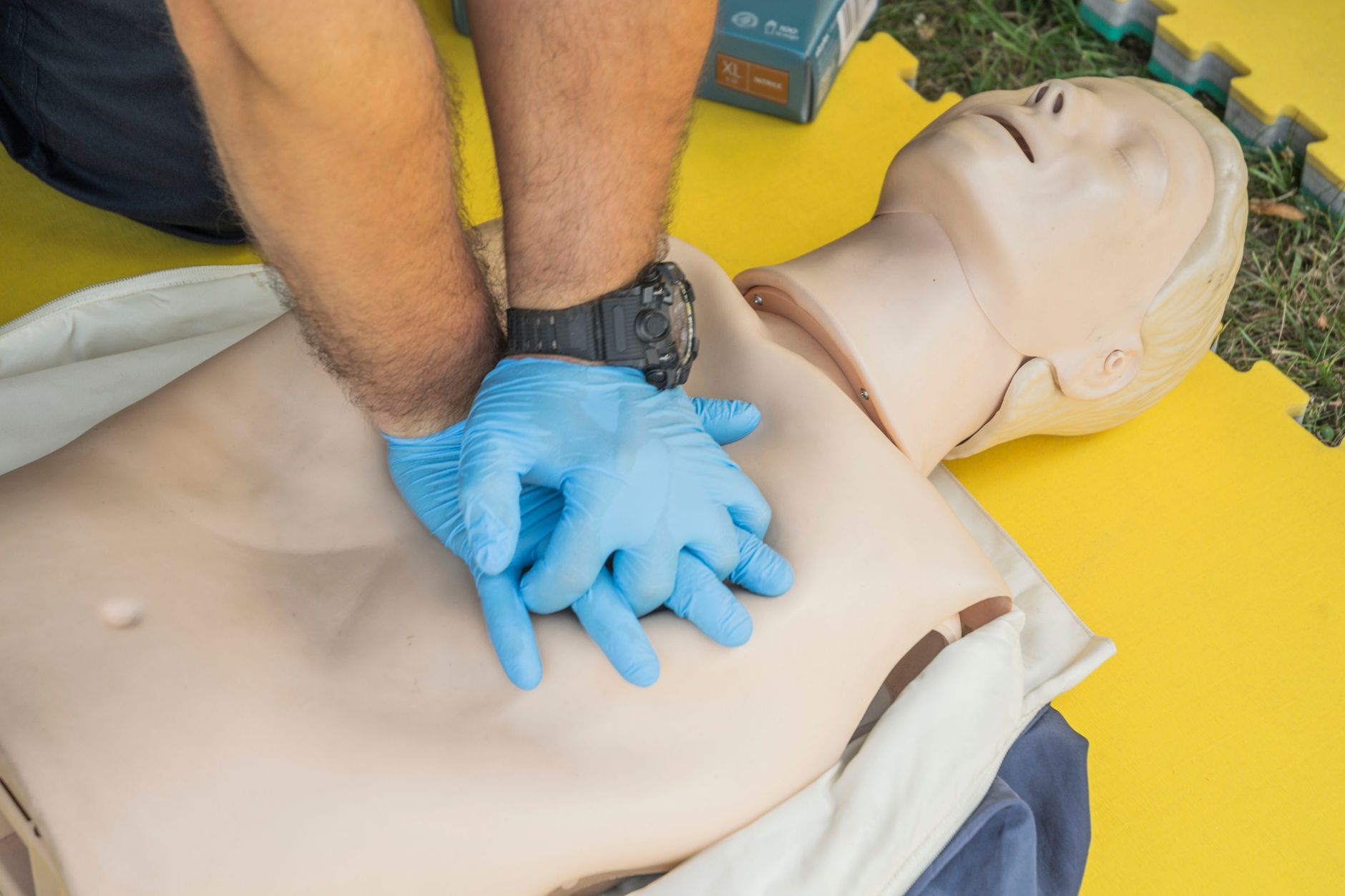
The course prepares you to respond when a patient codes. That means running high-quality CPR, operating an AED, clearing an airway obstruction, and coordinating with your team when seconds matter. The American Heart Association specifically designs this course for healthcare professionals and trained first responders, not the general public. Passing the hands-on skills session earns you a credential valid for exactly two years.
What BLS Actually Covers
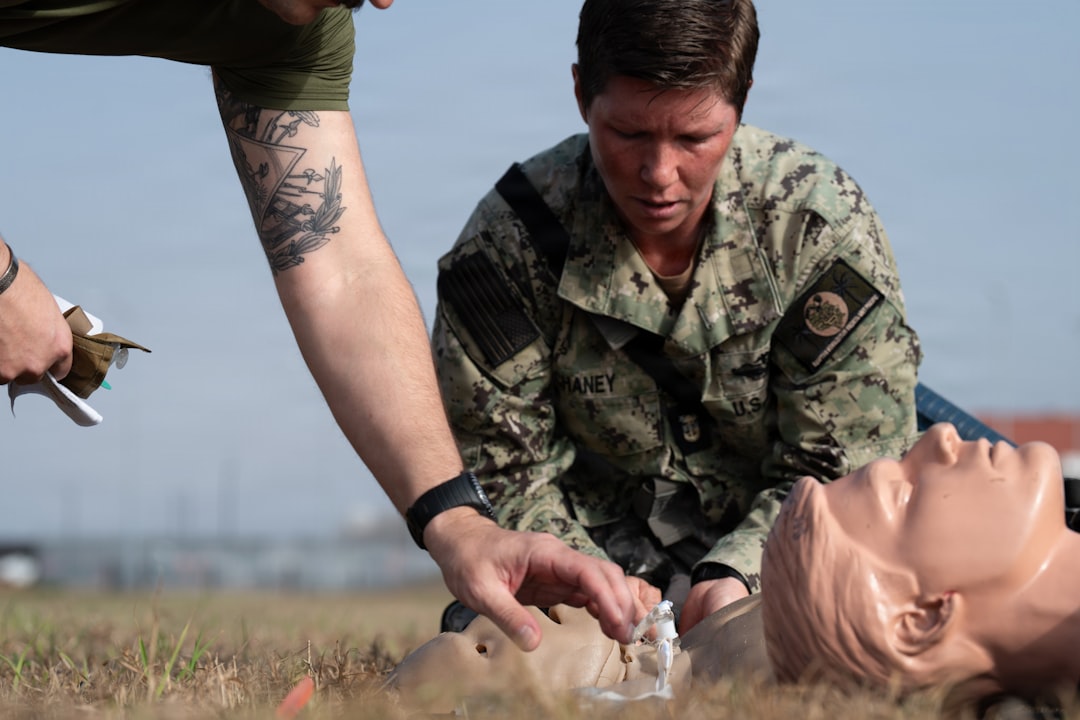
This training prepares you for high-pressure scenarios where every second counts. You are not learning how to press on a chest like a panicked bystander. You learn how to integrate with a clinical team and manage a chaotic resuscitation environment. The curriculum requires mastery of specific competencies before you pass.
High-quality CPR for adults, children, and infants
Delivery of ventilations using a bag-mask device
Early and safe operation of an Automated External Defibrillator (AED)
Relief of foreign-body airway obstruction across all age groups
Team dynamics and coordinated performance during multi-rescuer CPR
BLS vs Lay-Rescuer CPR: Not the Same Thing
This is where a lot of new grads get burned. The CPR course from high school, the one your gym teacher ran in the cafeteria, was lay-rescuer CPR. Hands-Only or Heartsaver-level training. It does not satisfy hospital BLS certification requirements.
Lay-Rescuer CPR | Healthcare Provider BLS | |
|---|---|---|
Target Audience | General public, teachers, office workers | RNs, EMTs, nursing students, physicians |
Skills Focus | Hands-only compressions, basic AED use | Multi-rescuer CPR, pulse checks, bag-mask ventilation |
Infant and Child Protocol | Often basic or optional | Mandatory high-quality CPR and choking relief |
Team Dynamics | Single rescuer focus | Complex multi-rescuer integration |
Hospital HR Acceptance | Never accepted for clinical roles | The mandatory baseline requirement |
Your hospital credentialing portal almost certainly lists a specific issuer. Check it before you book anything.
Why Your Hospital's HR Policy Dictates Your Choice
Most U.S. hospital HR policies list AHA Healthcare Provider BLS by name, not just BLS certification. The reason is straightforward: AHA writes the Emergency Cardiovascular Care (ECC) guidelines that govern resuscitation standards across U.S. healthcare. Many hospital-based training centers are AHA-affiliated. The relationship is deep and institutional.
This matters more than most people realize. You can show up to orientation with a perfectly valid Red Cross BLS card, skills that are clinically identical to AHA's, and still have your credentialing portal flag you as non-compliant. Not because the cert is inferior. Because the HR policy names AHA specifically and the system checks for it.
If your credentialing portal lists AHA BLS for Healthcare Providers, a Red Cross card will not substitute. Administrators will flag your file even though the physical skills tested are functionally identical. Always verify the accepted issuer with your unit manager or HR portal before booking your class.
AHA BLS vs Red Cross BLS: Side-by-Side
Here is the bottom line before the table: AHA BLS is the default for hospital employment. Red Cross BLS follows the same ECC guidelines and is widely accepted, but widely is not universally. Your specific employer's HR policy is the only source of truth.
Factor | AHA Healthcare Provider BLS | Red Cross BLS |
|---|---|---|
Issuing Body | American Heart Association | American Red Cross |
Validity | 2 years (Certificate) | |
Full Course Format | 4.5 hr classroom; or HeartCode blended (1-2 hr online + 1-2 hr skills) | Classroom, blended, or online-only options available |
Renewal Timing | ~4 hr classroom | Varies, check local listings |
Hospital Acceptance | Default standard in most U.S. hospitals | Accepted by many, always verify with HR |
Blended Option | HeartCode BLS (requires in-person skills session) | Simulation Learning blended format available |
Completion Card | Digital eCard | Digital certification |
Why AHA Dominates Hospital HR Requirements
The American Heart Association literally writes the ECC guidelines that shape modern resuscitation. Hospitals build their internal code response protocols directly around that science. Because AHA sets the foundational rules, their training is viewed as the gold standard by hospital administrators. That makes an AHA provider card the path of least resistance for working nurses trying to stay compliant.
Three reasons AHA holds this position:
AHA authors the ECC guidelines that both certifications follow, giving it inherent authority in clinical environments
Most hospital-based training centers are AHA-affiliated, making AHA cards the most seamlessly integrated with credentialing systems
U.S. hospitals have built orientation programs, compliance workflows, and HR portals around AHA as the default
Why Red Cross Still Matters
You should not write off the American Red Cross entirely. Their training is clinically respected and heavily used outside major hospital systems. Many dental offices, school systems, and outpatient clinics accept their certification without pushback. Red Cross often offers more flexible weekend scheduling in certain local markets, which matters when you are squeezing a class between 12-hour shifts.
Both organizations test you on the exact same clinical algorithms. The physical skills you demonstrate on the manikin do not change between the two providers. The difference is administrative, not clinical.
A Note for Nursing Students on Clinicals
This scenario comes up constantly. A pre-licensure student placed at a clinical site owned by a hospital system that names AHA in its policy shows up with a Red Cross BLS card and gets flagged by the site coordinator. It is avoidable.
If you are heading into clinicals at a hospital-affiliated site, assume AHA is required and confirm with your clinical coordinator before your first day. Check the specific hospital system's credentialing requirement, not just your school's general recommendation. Those can be two different things.
The same applies to accelerated BSN students moving from didactic to clinical rotations. Your school may have a general recommendation, but the hospital where you are placed has its own policy, and that policy wins. A quick email to your clinical coordinator before the semester starts saves you from scrambling during the first week of placement.
Before you walk into your hands-on skills session, you need to know those algorithms cold. Drilling the core sequences on Testavia before your class means you walk in confident and pass the physical check on the first attempt.
Can You Get BLS Certified Fully Online? (HeartCode and Self-Guided Explained)
Short answer: No. Not fully.

The American Heart Association requires a physical, hands-on skills session with a certified instructor before issuing an official completion card. If you find a website promising a fully digital BLS certification with no manikin involved, your employer will reject it. Full stop.
How HeartCode BLS Actually Works
The most practical option for working nurses is the blended learning pathway. The AHA calls their version HeartCode BLS. It runs in two parts.
Part 1: Online cognitive portion Approximately 1 to 2 hours, self-paced, completed at home or on your phone. It includes eSimulations, video scenarios, and knowledge checks driven by a personalized adaptive algorithm that adjusts based on your performance and self-reported confidence. You choose either an in-hospital or out-of-hospital track before starting.
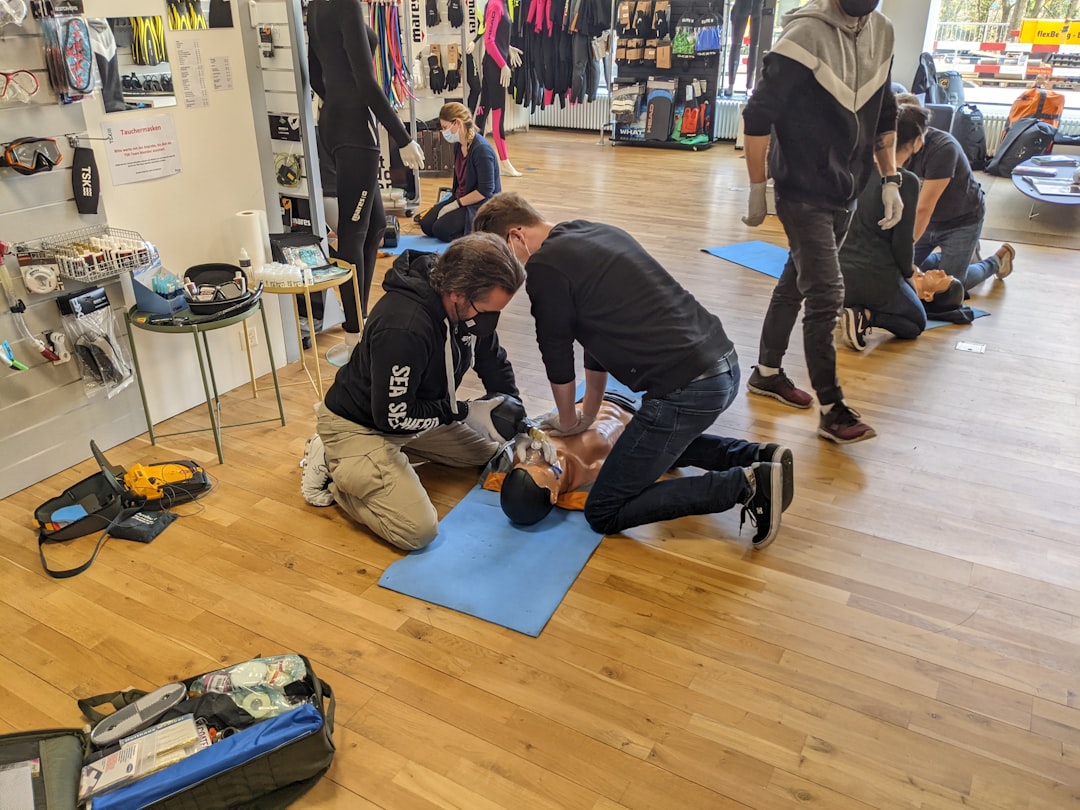
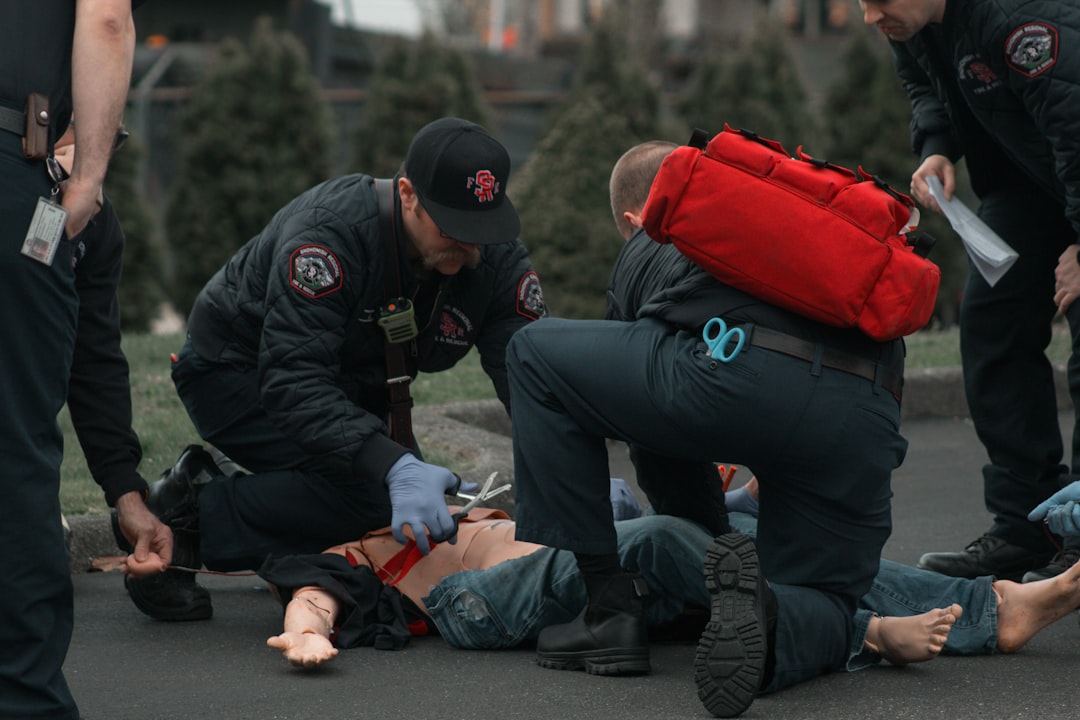
Part 2: Hands-on skills session 60 minutes to 2 hours at an AHA Training Center, depending on your experience level. You demonstrate chest compressions, bag-mask ventilation, AED operation, and airway management in front of a certified instructor. Some centers use voice-assisted manikins (VAMs) or Simulation Stations depending on availability.
Both parts must be completed. The eCard is issued the same day you pass the skills check.
Breaking Down All AHA Formats
Every AHA path produces the identical provider eCard, valid for two years. Here is how the three formats compare.
Format | Cognitive Learning | Hands-On Skills Check | Total Estimated Time |
|---|---|---|---|
Classroom | In-person lecture | In-person with instructor | ~4.5 hours |
Blended (HeartCode) | Online, 1-2 hours | In-person with instructor, 1-2 hours | 2 to 4 hours total |
Self-Guided | Online | CPR Verification Station | Varies by experience |
HeartCode lets you complete the online portion across two lunch breaks, then book a 60 to 90-minute skills slot at a nearby Training Center. Total time investment can come in under 3 hours. For a nurse on rotating shifts, that is a meaningful difference between getting it done this week and putting it off for another three months.
The American Red Cross offers a similar blended format called Simulation Learning. However, they also list a strictly online-only class that provides only a basic certificate of completion, not a credential that satisfies professional licensing or workplace HR requirements. If you go the Red Cross route, choose their in-person or blended format. The online-only option will not clear your hospital credentialing portal.
Why Your HR Department Gets the Final Say
Even if a blended course follows official AHA science perfectly, your employer still makes the final call. Some hospital HR departments explicitly require Instructor-Led classroom training and will not accept HeartCode. This is not common, but it happens.
Check your employee handbook for specific course format restrictions
Ask your unit manager directly whether HeartCode or self-guided formats are accepted
Confirm the deadline for submitting your renewal paperwork to HR
Confirm before you pay. A two-minute check with HR can save you from paying for a course your credentialing portal rejects.
How Long Is BLS Certification Valid? (Renewal vs Recertification)
Your AHA provider eCard is valid for exactly two years from the date of issue. Once you pass your final skills check, the clock starts immediately. The card expires on the date printed on it, not at the end of the month. Not after a grace period.
The AHA eliminated its grace period in 2020. The day after your expiration date, you are no longer certified.
Renewal vs Full Provider Course: What Is the Difference?
BLS Renewal Course | Full BLS Provider Course | |
|---|---|---|
Who It Is For | Current, unexpired cardholders | First-timers or lapsed cardholders |
Classroom Time | 4 hours (with breaks) | 4.5 hours (with breaks) |
Content | Refresher, assumes current skill competency | Full curriculum from scratch |
Card Issued | New eCard, 2-year validity | New eCard, 2-year validity |
The renewal course is shorter because it assumes you have kept your skills reasonably current. If your card has lapsed, even by a single day, most AHA Training Centers will turn you away from the renewal class and direct you to the full Provider course. Do not show up to a renewal session with an expired card.
What Happens When Your Card Expires
Letting your credential lapse creates immediate administrative headaches.
You are legally non-compliant on the floor
Most hospitals restrict clinical hours until recertification is complete
You lose access to the shorter, cheaper renewal course
You are back to the full 4.5-hour Provider course and the higher cost that comes with it
The renewal course exists as a reward for staying current. Use it.
A Critical Note for New-Grad RNs
Most hospital job offers are contingent on a current BLS certification card being on file before your orientation start date. Not by day one. Before it.
Many nursing schools include BLS in the first-semester curriculum and cover the cost in tuition. If yours did, double-check that the card you received is the AHA Healthcare Provider version, not Heartsaver or a community-level course. They look similar on paper but are not equivalent for hospital employment.
If your program did not include BLS, book a full AHA Healthcare Provider course 4 to 6 weeks before your orientation date. That buffer lets you reschedule if needed and gives HR enough time to process your card in their credentialing system before your first shift.
Your Smart Renewal Timeline
Follow this schedule and you will never scramble at the last minute.
6 months out: Check your eCard expiration date and verify your hospital's accepted course formats
3 months out: Browse Training Centers and book your slot, especially for weekend sessions that fill fast
30 to 60 days out: Complete the renewal course so your new eCard arrives well before the old one expires
Day of skills check: eCard issued immediately upon passing
How Much Does BLS Certification Cost?
There is no single price for BLS certification. The AHA does not publish a universal flat fee, instead directing students to local training centers for exact pricing. The American Red Cross class finder similarly shows that fees vary based on location and format. Anyone quoting you a firm number without a source is estimating.
What Drives the Price
Cost Driver | Typical Impact |
|---|---|
Course Type | Full Provider courses generally cost more than shorter renewal sessions |
Format Choice | Blended learning splits costs between online materials and the in-person skills check |
Location | Urban training centers charge higher facility fees than rural or suburban providers |
Bundling | Grouping BLS with ACLS or PALS usually lowers the combined rate |
For reference, verified third-party pricing data indicates that HeartCode BLS purchased directly from AHA runs approximately \$34 to \$36 for the online portion alone. In-person skills sessions at Training Centers add \$45 to \$100 or more depending on the center. Bundled packages commonly land between \$80 and \$100 total. Confirm current rates from the AHA Training Center directory for your specific region before booking.
The BLS Provider Manual typically costs \$15 to \$25 separately when not bundled. Always ask whether the manual is included in your course fee before paying.
Employer Reimbursement and Free Options
Healthcare professionals rarely shoulder this cost alone. Many hospital employment contracts include continuing education benefits that cover mandatory credential renewals entirely. Nursing students frequently discover their initial certification is already bundled into first-semester tuition.
Submit reimbursement receipts to HR quickly. Most hospitals enforce a strict 60-day deadline from the course date, not the renewal date
Ask your unit manager if your facility runs free in-house training sessions for current clinical staff
Bundle BLS with ACLS or PALS if you are transitioning into an ICU, telemetry, or emergency department role
Check whether your nursing program has partnerships with local training centers for student discounts
Military and VA-affiliated programs sometimes offer sponsored BLS training for healthcare personnel. If you work in one of those systems, check your internal training calendar before booking externally
Paying out of pocket stings more when you have to retake the skills check. Arriving prepared protects your financial investment. You do not want to pay for the same course twice because you blanked on the infant CPR ratio under pressure.
How To Choose Your BLS Course in 4 Questions
Choosing the right BLS certification course is a four-question decision, not a research project. Work through these in order.
Question 1: Does Your Employer Specify AHA or Red Cross?
If yes, that is your answer. Book it and move on.
If no issuer is specified, default to AHA Healthcare Provider BLS. It has broader portability across U.S. hospital systems and is far less likely to cause a credentialing problem if you switch employers or rotate through a hospital-affiliated clinical site.
If neither is specified and cost is a genuine factor, get quotes from both. If pricing is comparable, AHA still wins on portability. If Red Cross is significantly cheaper and your employer genuinely accepts either, it is a reasonable call.
Question 2: Does Your HR Allow HeartCode, or Is Classroom Required?
Ask HR directly or check your credentialing portal. This one question can eliminate scheduling headaches and save you 90 minutes. If HeartCode is allowed, the blended path is almost always the more practical choice for shift workers. If HR requires classroom-only, book the Instructor-Led course and block the time.
Question 3: Are You Renewing or First-Time?
First-time: Full BLS Provider course. No shortcut exists, and Training Centers verify prior certification before allowing renewal enrollment
Renewing with active card: You qualify for the shorter ~4-hour renewal course
Lapsed card: Full Provider course, no exceptions
One more scenario worth knowing: if you completed a BLS course through a proprietary or regional program not affiliated with AHA or Red Cross, most hospital HR systems will not recognize that credential. You will need to start fresh with an AHA or Red Cross Provider course.
Question 4: What Is Your Timeline?
Decision Point | Your Best Move |
|---|---|
Employer Preference | Always defer to your HR portal guidelines first |
Course Format | Use blended HeartCode if allowed; otherwise book a classroom session |
Current Status | Take the 4-hour renewal if active; take the 4.5-hour full course if expired |
Timeline | Schedule 4 to 6 weeks out to guarantee a convenient seat |
Book 4 to 6 weeks out and you will have your pick of class times, formats, and locations at standard pricing. Book under a week out and you may end up traveling further, paying premium pricing, or settling for a format your HR does not accept.
Once your class is booked, make sure you are ready for the physical manikin test. Testavia lets you drill the core algorithms, including 2-rescuer sequences, infant CPR technique, and AED protocols, before you face an instructor with a stopwatch. A quick practice session means you pass the skills check on the first attempt and avoid retake fees entirely.
Written by · Verified educator
Testavia editorial
Nathan Cole
RN
Medical-Surgical nurse & health writer
Meet Nathan, a registered nurse with over five years of experience in Medical-Surgical care, based in New York City. Having worked with a wide range of patients through some of their most vulnerable moments, Nathan brings a grounded, real-world perspective to his writing on healthcare. His goal is simple: to bridge the gap between medical knowledge and everyday understanding, making health topics feel less intimidating and more empowering for everyone. When he's not caring for patients, Nathan channels his passion for medicine into writing that educates, comforts and inspires.
5+
Years in Med-Surg
Medical-Surgical
Specialty
New York City
Based in