Clinical Nurse Specialist (CNS): What They Do vs NPs
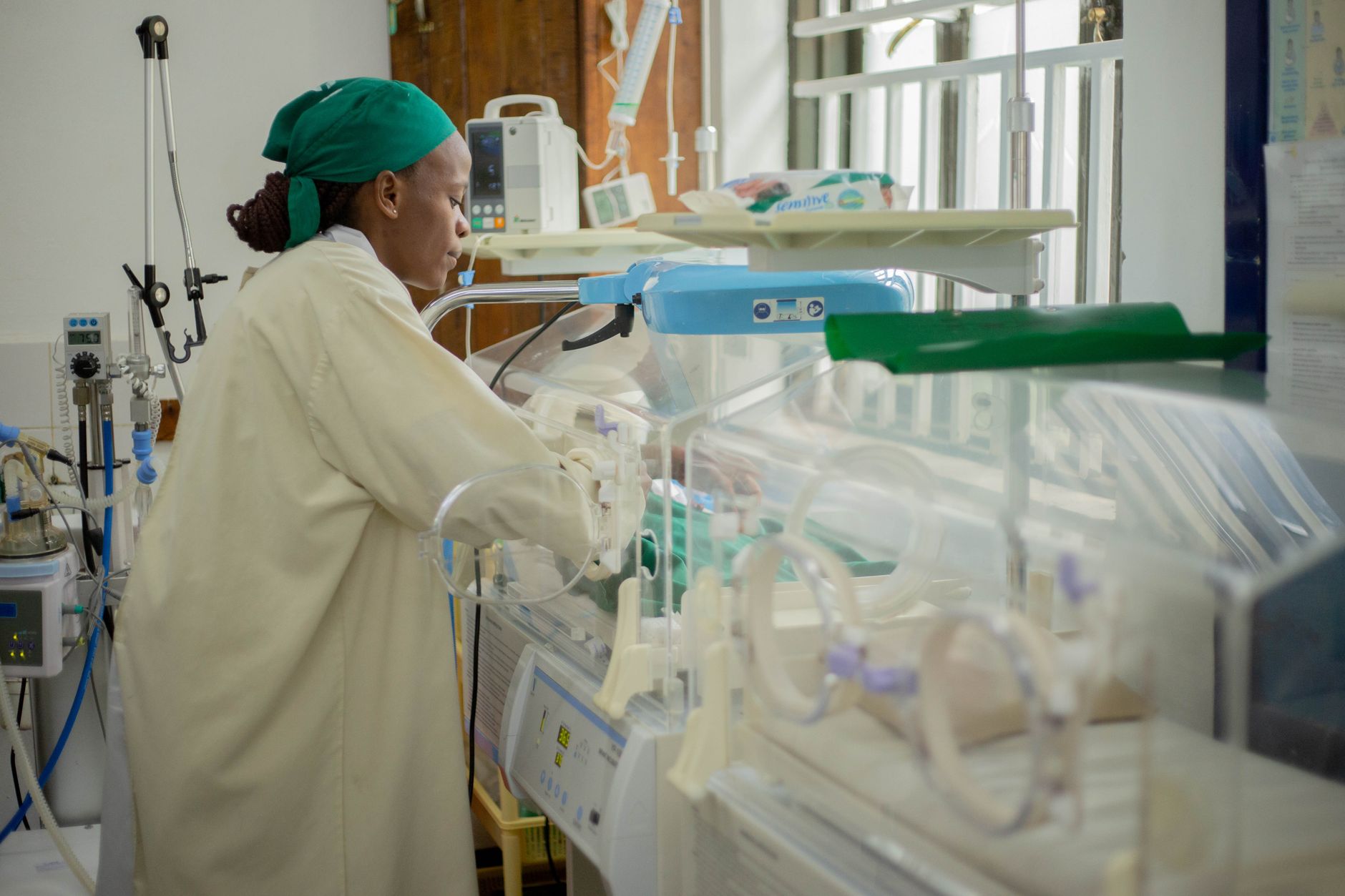
Clinical Nurse Specialists are advanced practice nurses who improve care across three fronts at once: the individual patient, the nursing staff, and the healthcare system itself. That last one is what separates them from Nurse Practitioners. Here is what a CNS actually does, and the route into the role.
Editorial
Last reviewed · July 21, 2026
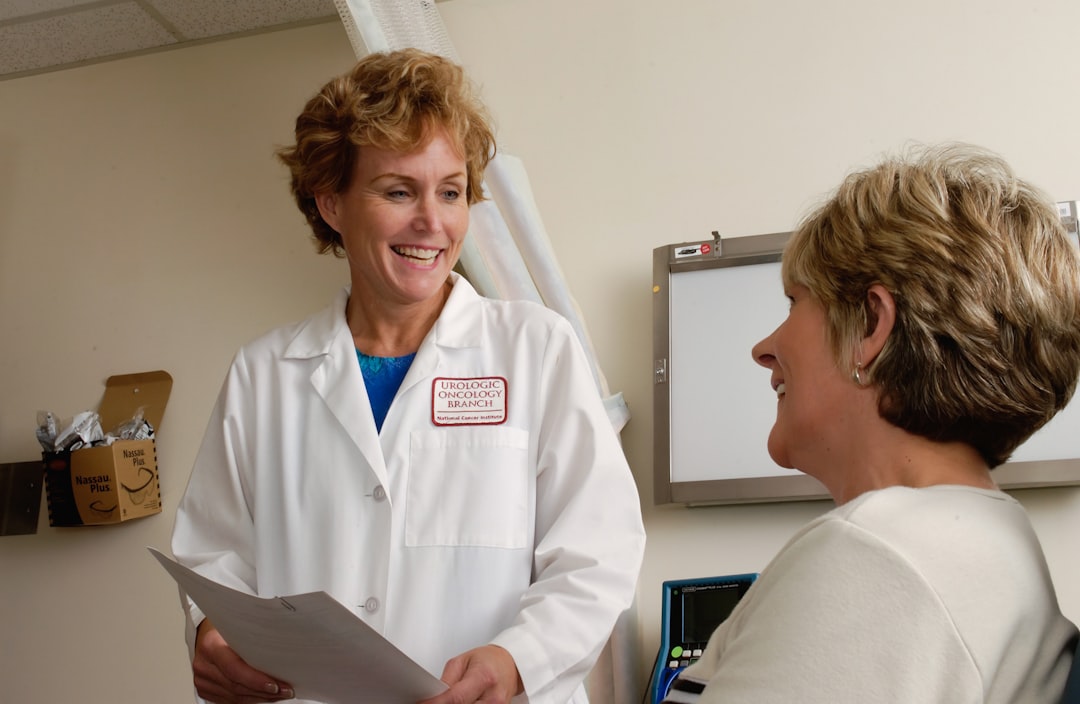
Clinical Nurse Specialists are advanced practice registered nurses who improve care across three fronts at once: the individual patient, the nursing staff, and the healthcare system itself. That last one is what separates them from Nurse Practitioners, who spend most of their time diagnosing and treating individual patients. Becoming one requires an active RN license, a graduate degree (MSN or DNP) with a CNS track, national certification, and APRN licensure from your state board.
What is a Clinical Nurse Specialist?
A Clinical Nurse Specialist (CNS) is an advanced practice registered nurse who improves clinical outcomes at the level of the unit and the institution, not just the individual patient. Where a staff RN executes care plans for an assigned group of patients, a CNS analyses outcomes across an entire population of them, translates current research into bedside practice, and redesigns the systems that produce those outcomes.
The National Association of Clinical Nurse Specialists (NACNS) defines the role across three spheres of impact: the patient, the nursing team, and the organization. A CNS deliberately divides their expertise across all three rather than concentrating on any one. That structure is what makes the role distinct, and it is the framework the rest of this guide follows.
Because they work at that level, a CNS acts as a bridge between staff nurses, hospital leadership, and interdisciplinary teams. Some anchor themselves to a patient population such as pediatrics or gerontology; others to a setting such as the emergency department or critical care. Either way, having a CNS on a unit changes how that unit plans and delivers nursing care.
How the role developed
The CNS position took shape in the middle of the 20th century. After the Second World War, medicine grew rapidly more complex, and hospitals found themselves needing advanced clinical expertise at the bedside rather than only in management. Hildegard Peplau, a pioneer in psychiatric nursing, established the first formal graduate program for clinical nursing specialists in the 1950s, on the argument that general nursing education no longer covered the complexity of the patients arriving on the ward.
The 1960s and 1970s accelerated that shift. Hospitals opened intensive care units and specialized wards in large numbers, creating demand for nurses who could both master advanced clinical concepts and teach them to colleagues. What began as an informal in-house title became a regulated, legally recognized category of advanced practice nursing.
Specialization boundaries
A generalist RN can usually float between units. A CNS anchors to a specific niche, and that anchoring is deliberate.
Some specialize by population: gerontology, pediatrics, neonatology, women's health. Others specialize by setting: emergency, intensive care, rehabilitation, outpatient. A third group specializes by condition, becoming the institution's authority on complex wound care, oncology, cardiology, or diabetes management. Palliative care and psychiatric mental health are both substantial tracks.
That narrow focus is the point. It buys a depth of expertise that a generalist has no realistic way to accumulate, which is why the CNS is who a unit calls when a case stops responding to the standard approach.
Why hospitals invest in the role
Hospitals operate under sustained pressure to shorten length of stay, prevent readmissions, and eliminate hospital-acquired infections. Physicians and NPs address those pressures one patient at a time, through diagnosis and treatment. A CNS addresses the delivery system that produces them.
The work is pattern-finding: identifying why a particular complication keeps recurring across a department by examining trends across hundreds of cases, then converting that finding into a change in daily practice. It turns institutional data into bedside habit, which is where the financial and safety returns come from.
What does a CNS do? The three spheres
A CNS has no fixed daily routine. On a single shift they might consult on a complex patient at the bedside, then present a protocol change to a hospital committee. The NACNS three-sphere model — patient, nursing team, system — is the clearest way to understand how that work divides.
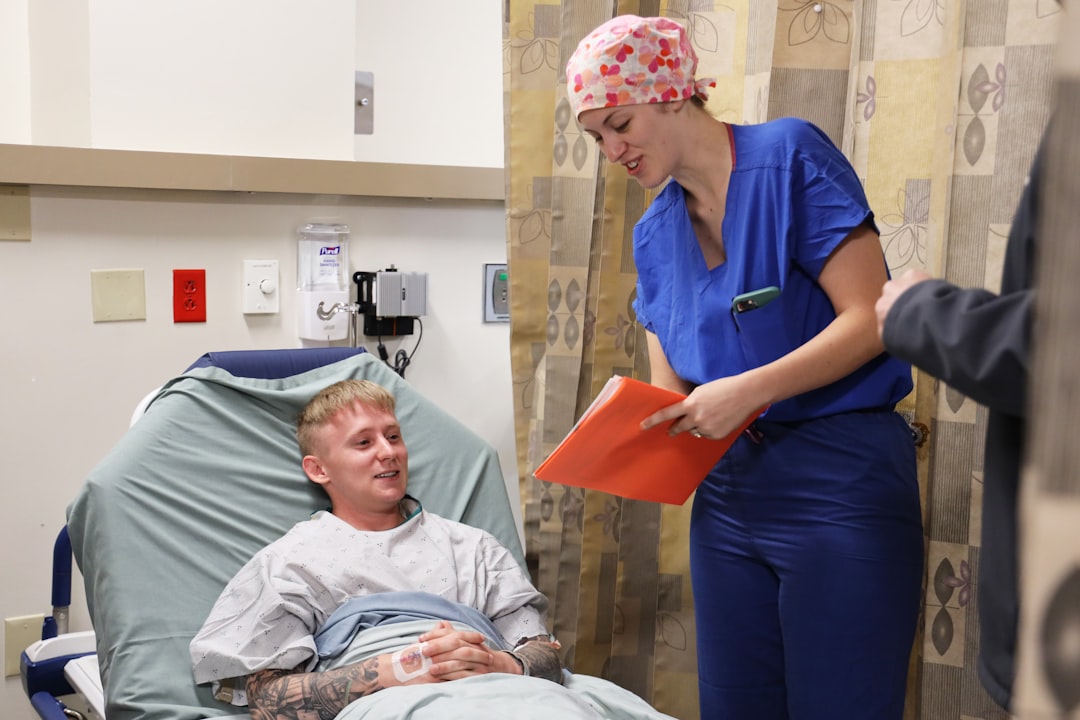
Crucially, a CNS does not carry a standard patient assignment. They function as an internal consultant, stepping in when a patient deteriorates unexpectedly or fails to respond to normal treatment, and spending the rest of their time on staff development and system-level improvement.
The patient sphere
In the patient sphere, a CNS provides advanced clinical guidance for people with genuinely complicated presentations. They do not replace the primary bedside nurse; they consult.
A typical example: an ICU has a pressure injury that is not healing under standard protocol. The team calls the CNS, who performs a detailed assessment that looks past the wound itself to systemic contributors — nutritional status, perfusion, undiagnosed metabolic problems — and builds a targeted care plan from what they find.
These direct interventions are generally reserved for high-risk situations, complex family circumstances, or rare conditions where specialist expertise materially changes the outcome. A CNS also acts as an advocate, translating clinical language so families understand what is actually being proposed.
The nursing sphere
The nursing sphere is about raising the capability of the frontline staff. A CNS works as a clinical coach, practicing alongside staff nurses rather than observing from a distance, and passing on critical thinking, advanced procedures, and clinical reasoning.
When new equipment, unfamiliar medications, or revised protocols arrive on a unit, the CNS typically builds and delivers the rollout so that every staff member actually absorbs the change.
Retention and burnout fall in this sphere too. A CNS addresses them by giving floor nurses a genuine voice in professional governance, supporting clinical inquiry, and building a culture of continuous learning — which measurably changes how a unit handles pressure.
The system sphere
The system sphere covers quality monitoring, organizational workflow, and policy. A CNS tracks unit-level data continuously, watching for adverse trends such as rising patient falls or catheter-associated urinary tract infections (CAUTIs).
When a problem surfaces, the CNS convenes an interdisciplinary group to determine the cause, reviews the current evidence, and writes and implements revised protocols. They then audit whether the change is actually being followed, which is the step most quality initiatives skip.
The returns show up as fewer adverse events, less waste, and shorter stays.
A day in the life: the three spheres in action
Here is how those spheres interleave across one shift for an Adult-Gerontology Critical Care CNS.
Time | Activity | Sphere |
|---|---|---|
07:30 | Reviews the unit's overnight metrics dashboard and notices an unexpected rise in ventilator-associated events over the weekend | System |
08:30 | Joins multidisciplinary ICU rounds to advise on a septic patient not responding to standard fluid resuscitation | Patient |
10:30 | Evaluates a subglottic suction endotracheal tube with a vendor, weighing the purchase against current evidence | System |
12:00 | Runs an informal lunchtime session teaching staff to interpret arterial line waveforms | Nursing |
14:00 | Presents a new pressure-injury prevention protocol to the hospital Quality Committee | System |
16:00 | Works through an advanced assessment case study at the bedside with a graduate nursing student | Nursing |
CNS vs NP: the key difference
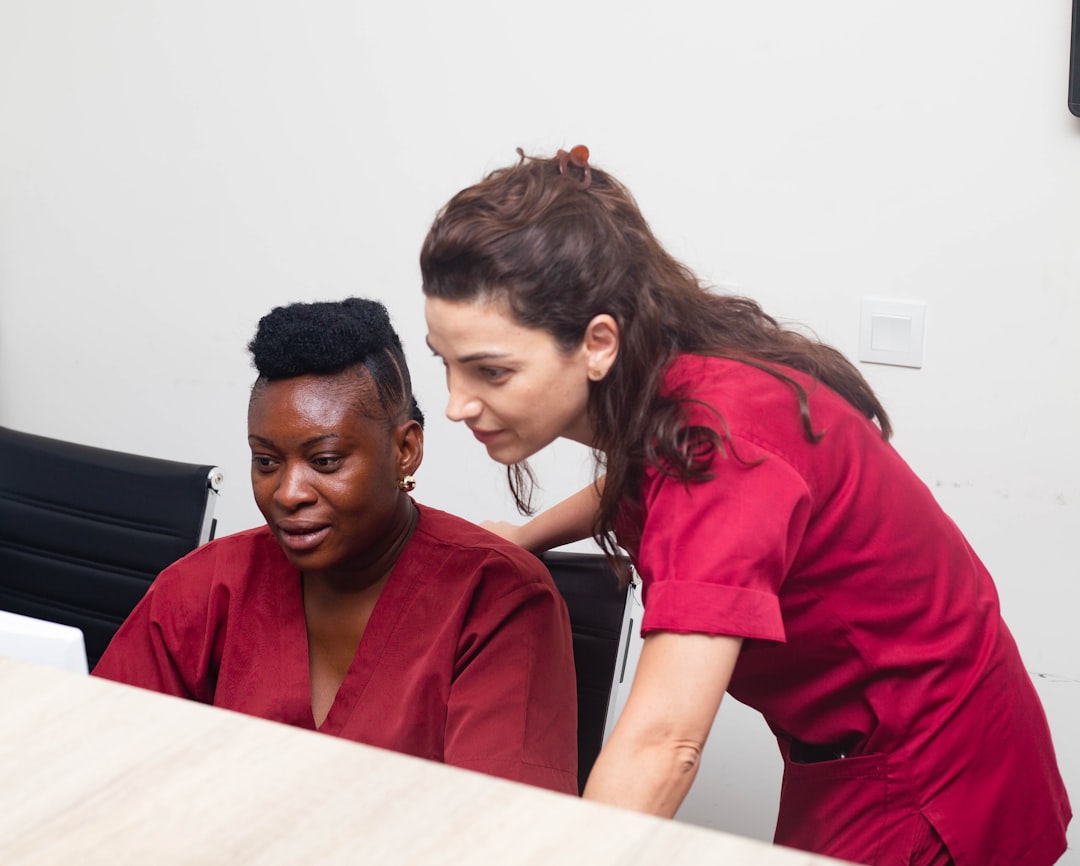
The core difference is the unit of analysis. An NP asks how to treat the illness of the patient in front of them. A CNS asks why an entire unit is seeing more of that illness, and how nursing practice can be redesigned to prevent it. Both are certified APRNs with graduate degrees, but the NP follows a direct disease-management model — diagnosing, ordering diagnostics, managing a patient panel — while the CNS combines expert clinical consultation with organization-wide oversight.
Comparison of key operational differences
Feature | Clinical Nurse Specialist (CNS) | Nurse Practitioner (NP) |
|---|---|---|
Prescribing authority | Varies substantially by state, with meaningful restrictions in some | Broad prescribing rights in most states, frequently with independent practice authority |
Typical settings | Acute care hospitals, large health systems, corporate health, education | Outpatient clinics, private practice, urgent care, hospital panels |
Primary focus | Clinical practice excellence: safety data, protocol revision, staff development | Direct patient panels: examinations, diagnosis, treatment plans |
Authority structure | Internal consultant leading through clinical influence and evidence rather than line authority | Clinical provider with independent or collaborative authority over patient care decisions |
Where the nurse manager line is drawn
Staff nurses often confuse the CNS with the nurse manager, since both operate across a whole unit rather than a patient assignment. Their remits are almost opposite.
A nurse manager holds operational and administrative authority: scheduling, payroll, unit budget, performance management, regulatory compliance. They are the line manager for everyone on the roster.
A CNS has no formal disciplinary authority over staff at all. They drive change through clinical credibility, expertise, and coaching, and their focus is clinical and educational quality rather than the business mechanics of running the floor.
Choosing your APRN path
The choice comes down to what you want your day to consist of.
The NP path suits nurses who want clinical autonomy and the direct, continuing relationship of acting as a patient's primary or acute care provider.
The CNS path suits nurses drawn to systemic patterns, to coaching colleagues, and to departmental leadership. Nurses who prioritize long-term clinical quality tend toward the CNS track; those who want a high volume of direct, autonomous patient care tend toward the NP track. Both are substantial careers — they simply reward different strengths.

How to become a CNS
Becoming a CNS requires an active RN license, several years of bedside experience, a graduate degree with an approved CNS track, national certification, and state APRN licensure. It is not an entry-level transition, and bedside experience is not a formality: you cannot credibly redesign a clinical system you have not worked inside.
The sequence runs as follows.
Earn a BSN. Graduate from an accredited undergraduate nursing program, which provides the scientific foundation and initial clinical skills. Our guide on the quickest way to become a registered nurse covers the routes in.
Obtain and maintain an active RN license. This means passing the NCLEX-RN and securing licensure from your state board.
Accumulate bedside nursing hours. Two to three years of practice, preferably in acute care, is the common expectation. This is where clinical judgment and an understanding of system bottlenecks actually develop.
Complete a CNS-track graduate program. Enroll in an accredited MSN or DNP program with a dedicated, approved clinical nurse specialist track.
Select a population focus. Graduate coursework and clinical hours must center on a defined population — neonatal, pediatric, women's health, or adult-gerontology among them.
Pass national certification. Most candidates certify through the American Nurses Credentialing Center (ANCC) or the American Association of Critical-Care Nurses (AACN).
Obtain state APRN licensure. Apply to your state board of nursing, which verifies your degree and certification before granting advanced practice licensure.
A significant caveat applies to that last step. NP regulation has moved steadily toward a national standard; CNS regulation has not. Scope of practice varies considerably between states — some grant full practice authority and prescriptive rights, while others require a formal collaborative agreement with a physician or withhold prescriptive authority entirely. Check your own state board's requirements before committing to a graduate program, because the answer may change which credential makes sense for you. If you are weighing a master's against a doctorate, our explainer on what a DNP is compares the two.
CNS salary and outlook
There is no federal wage figure specific to Clinical Nurse Specialists, and this is worth understanding before you compare salary claims you find online. The Bureau of Labor Statistics does not maintain a separate occupational category for the CNS role. Its advanced-practice grouping covers nurse anesthetists, nurse midwives, and nurse practitioners, and clinical nurse specialists are generally counted within the much broader Registered Nurses category instead.
The practical consequence is that any article quoting a precise "CNS median salary" is either borrowing the APRN figure, which excludes the role, or the RN figure, which understates it. For current figures, consult the BLS Occupational Outlook Handbook directly and read which occupational category the number actually describes. Real compensation varies with geography, clinical specialty, employer type, and whether the position carries formal leadership responsibility. Our breakdowns of nurse practitioner salary and DNP-level pay give useful reference points for adjacent advanced-practice roles.
Written by · Verified educator
Testavia editorial
Nathan Cole
RN
Medical-Surgical nurse & health writer
Meet Nathan, a registered nurse with over five years of experience in Medical-Surgical care, based in New York City. Having worked with a wide range of patients through some of their most vulnerable moments, Nathan brings a grounded, real-world perspective to his writing on healthcare. His goal is simple: to bridge the gap between medical knowledge and everyday understanding, making health topics feel less intimidating and more empowering for everyone. When he's not caring for patients, Nathan channels his passion for medicine into writing that educates, comforts and inspires.
5+
Years in Med-Surg
Medical-Surgical
Specialty
New York City
Based in