NICU Nurse: What They Do and How to Become One 2026
NICU nurses care for premature and critically ill newborns across four defined levels of neonatal care, from the well-newborn nursery to a regional NICU. Here is what the role involves day to day, how the levels differ in acuity, the RN and nurse practitioner routes in, and what the pay data actually shows.
Editorial
Last reviewed · August 3, 2026
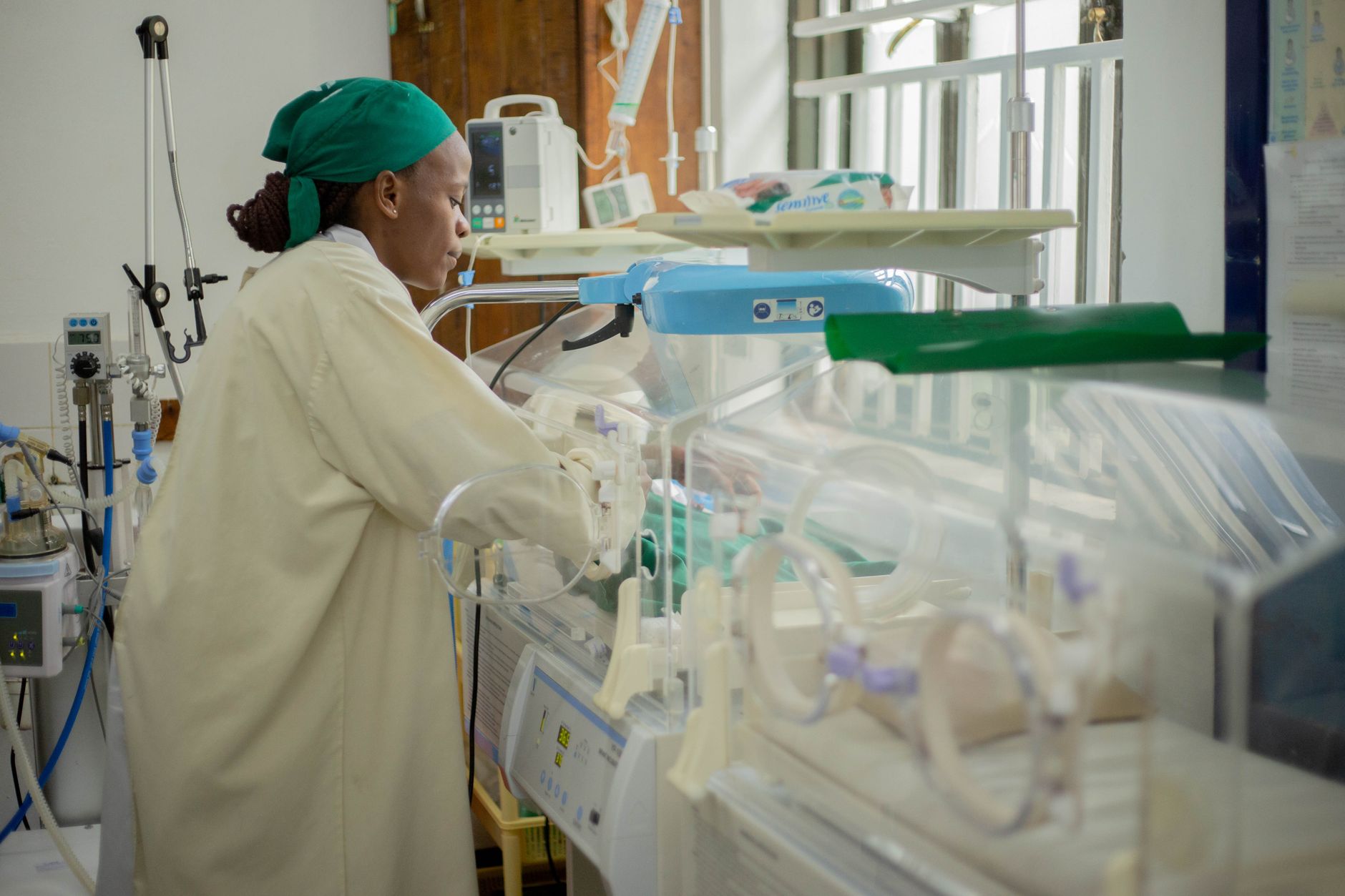
Caring for these tiny, vulnerable patients needs a special kind of nurse, a NICU nurse. They are registered nurses who’ve trained to care for the critically ill and premature newborns. This guide breaks down what a NICU nurse does, and shows you what it takes to become one. Let’s dive in!
What is a NICU nurse?
The National Association of Neonatal Nurses says NICU nurses are specialists who care for newborns who need extra support. From those who are born premature, to those who are born with physical defects, infections, heart issues, and other health problems that require routine care.
Unlike general pediatric nurses, NICU nurses work only with infants during those first fragile days or weeks. They constantly monitor neonates' or infants' vital signs, managing ventilators and incubators, giving them medications based on the baby’s size, and picking up on little signs that might develop into serious issues.
It's a job that requires you to be very detailed and focused because these newborns cannot say what’s wrong. Due to this, a NICU nurse has to trust the monitors, read the baby’s cues, and react fast when something shifts.
What does a NICU nurse do? (and NICU levels of care)
A NICU is not a smaller version of a regular ICU. The babies placed here weigh just a few pounds and have completely different needs from adults. So, the nurse has to pay close attention to the smallest details, such as lighting, noise, and how the baby is handled. These specifics shift depending on each baby’s condition.
Here are the core roles of a NICU nurse:
Continuous Monitoring: The newborn's condition changes very quickly; due to this, the nurse has to consistently check their vital signs, oxygen levels, and behavior patterns.
Administering IV fluids and Medications: Premature and critically ill infants need carefully measured IV fluids and medications to stay stable and alive. The dosages administered depend on the baby's weight.
Managing Feedings: NICU nurses have to handle feeding differently depending on the baby's developmental level. Some of the feeding methods they use include feeding tubes, bottle-feeding, and breastfeeding. They also have to keep track of how much the babies eat and how much weight they gain.
Providing comfort and care: NICU nurses are a steady presence for babies who can’t be soothed or cuddled as easily as healthy newborns. They provide comfort to babies by minimizing unnecessary stimulation, such as light and noise. When it's safe, they encourage skin-to-skin contact between parent and baby. Research shows that this practice helps with bonding, temperature regulation, and even helps the baby boost weight over time.
Family support and education: In addition to clinical care, NICU nurses support parents through an incredibly tough and emotional experience. They help parents feel actively involved in their child's care by keeping them updated on what's happening with their baby. They also educate parents about the equipment and procedures used in the NICU.
To effectively care for these babies, you should know the NICU levels of care. The American Academy of Pediatrics classifies NICUs into four levels, which represent different degrees of medical complexity and staffing. They are:
Level 1: Well Newborn Nursery
This is a standard care unit for full-term infants. At this level, the nurse monitors vital signs and helps with postpartum recovery. These units aren’t set up for babies who need serious medical care.
Level 2: Special Care Nursery
It is designed for moderately ill newborns like those born late preterm or recovering from mild issues. Nurses at this level assist with additional monitoring, feeding, or short-term breathing support.
Level 3: NICU
If a baby needs ongoing intensive care, they are placed in this unit. These are the infants born significantly premature ( under 32 weeks and weighing less than 1500 grams) or those with critical medical or surgical conditions. Nurses at this level manage ventilators and advanced monitoring equipment and respond to sudden changes.
Level 4: Regional NICU
It is the highest level of neonatal care and is mostly found in big teaching or regional hospitals. They handle everything a level 3 facility would handle, with the addition of having an on-site pediatric surgical specialist to address issues that require immediate surgery. Below is a picture to help you recall all four levels.
Level | What it is | Typical patients | Nursing focus |
|---|---|---|---|
Level 1 | Well newborn nursery | Healthy term newborns | Routine assessment, feeding support, parent teaching |
Level 2 | Special care nursery | Moderately ill or preterm infants expected to recover quickly | Feeding and growth, oxygen support, short-term IV therapy |
Level 3 | NICU | Critically ill and very preterm infants | Ventilation, invasive lines, continuous monitoring, high-acuity assessment |
Level 4 | Regional NICU | The most complex cases, including surgical neonates | Everything in Level 3, plus on-site surgical and subspecialty care |
How to Become a NICU Nurse
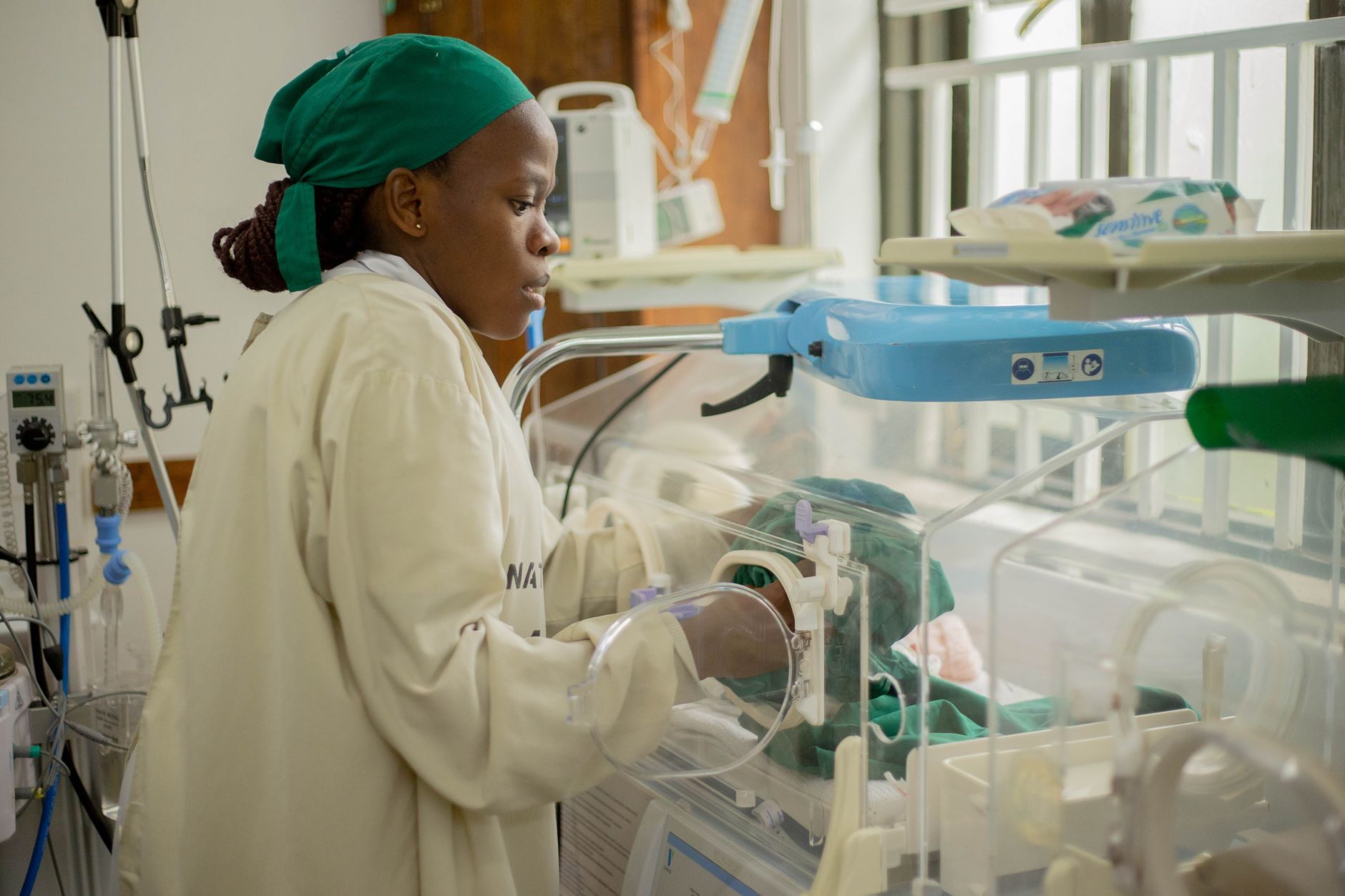
There are two levels of neonatal nursing that you can pursue. The standard level is for you to become a registered nurse. At the advanced level, there’s the neonatal nurse practitioner. Here’s how each path plays out in real life.
Becoming a NICU Nurse (RN Level)
Earn an ADN or BSN. You need to complete either the Associate Degree in Nursing (ADN) or Bachelor of Science in Nursing degree (BSN). Although in high-demand places like the NICU, hospitals usually go for nurses with a BSN.
Pass NCLEX-RN. You have to pass the NCLEX exam to start practicing as a nurse. If you are at this level, Testavia NCLEX-RN prep can help you get there with confidence.
Gain clinical experience. Most nurses spend a year or two working in a pediatric, mother-baby, or even an adult med-surg unit. Working in these areas sharpens your bedside and assessment skills, which you’ll carry over to NICU work.
Earn core certifications: Many NICU job requirements require you to have certain certifications before they consider you. They are BLS (Basic Life Support), PALS (Pediatric Advanced Life Support), and NRP (Neonatal Resuscitation Program).
Earn the RNC-NIC credential. After 2 years and at least 2,000 hours of work experience as a neonatal nurse, you can sit for the RNC-NIC exam. It’s administered by the National Certification Corporation, which certifies you for neonatal intensive care nursing.
Becoming a NICU Nurse Practitioner (Advanced Practice)
Build clinical experience. You need at least 2 years of work experience to advance to this role. Some institutions might accept direct entry after completing your BSN.
Complete graduate-level education. The common route to become a nurse practitioner was the BSN-MSN. Since some schools still offer the MSN path, you should consider checking with your school.
NICU nurse salary and outlook
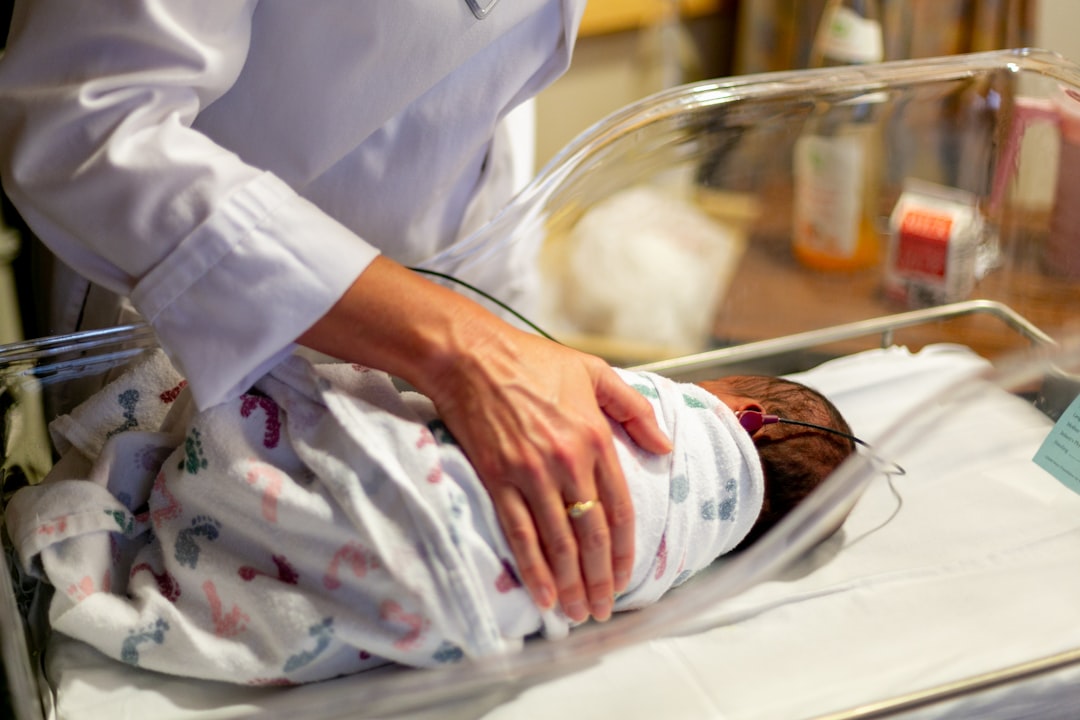
Wondering whether NICU nursing is a marketable career? Yes, it is. In fact, the Bureau of Labor Statistics expects registered nurse jobs to grow by 5% from 2024 to 2034, a higher rate than in other fields. BLS predicts about 189,100 job openings each year due to new positions, retirements, and career changes. The median salary for an RN is \$93,600, with the highest 10% earning around \$135,320 and the lowest 10 % earning \$66,030.
BLS does not publish a separate wage series for NICU nursing — neonatal nurses are counted within the broad Registered Nurses occupation, so there is no federal NICU-specific median to look up. Be wary of sites quoting one: the precise figures circulating for "neonatal nurse salary" come from self-reported salary aggregators, which skew low and would have you believe a high-acuity specialty pays less than the RN median. In practice, Level III and IV units and certifications such as RNC-NIC tend to sit at the higher end of the RN range rather than below it.
However, none of these values represent what any individual nurse will earn. The actual salary depends on the specific hospital you work for, location, years of experience, and any special certifications you have.
Is NICU nursing right for you?
Did you know some people fear holding newborns? It's because they are so tiny and fragile, and they lack neck control. Now imagine holding a baby who is way tiny, almost smaller than your hand. If you can deal with such fragility, this job is right for you. You’ll have to be comfortable establishing IV access on their fragile little veins, managing ventilators, and performing other procedures on the baby, like resuscitating.
You also need to prepare for the emotional side of this job. Sometimes you’ll be celebrating a baby’s milestone, like the day they can finally breathe on their own. Some days you’ll be supporting parents through fear, uncertainties, and even heartbreaking moments. The job requires you to be compassionate without letting the emotional weight overwhelm you.
Other skills you will need include patience, teamwork, and attention to detail. If this still feels like something you can do, then NICU nursing is right for you.
Written by · Verified educator
Testavia editorial
Nathan Cole
RN
Medical-Surgical nurse & health writer
Meet Nathan, a registered nurse with over five years of experience in Medical-Surgical care, based in New York City. Having worked with a wide range of patients through some of their most vulnerable moments, Nathan brings a grounded, real-world perspective to his writing on healthcare. His goal is simple: to bridge the gap between medical knowledge and everyday understanding, making health topics feel less intimidating and more empowering for everyone. When he's not caring for patients, Nathan channels his passion for medicine into writing that educates, comforts and inspires.
5+
Years in Med-Surg
Medical-Surgical
Specialty
New York City
Based in