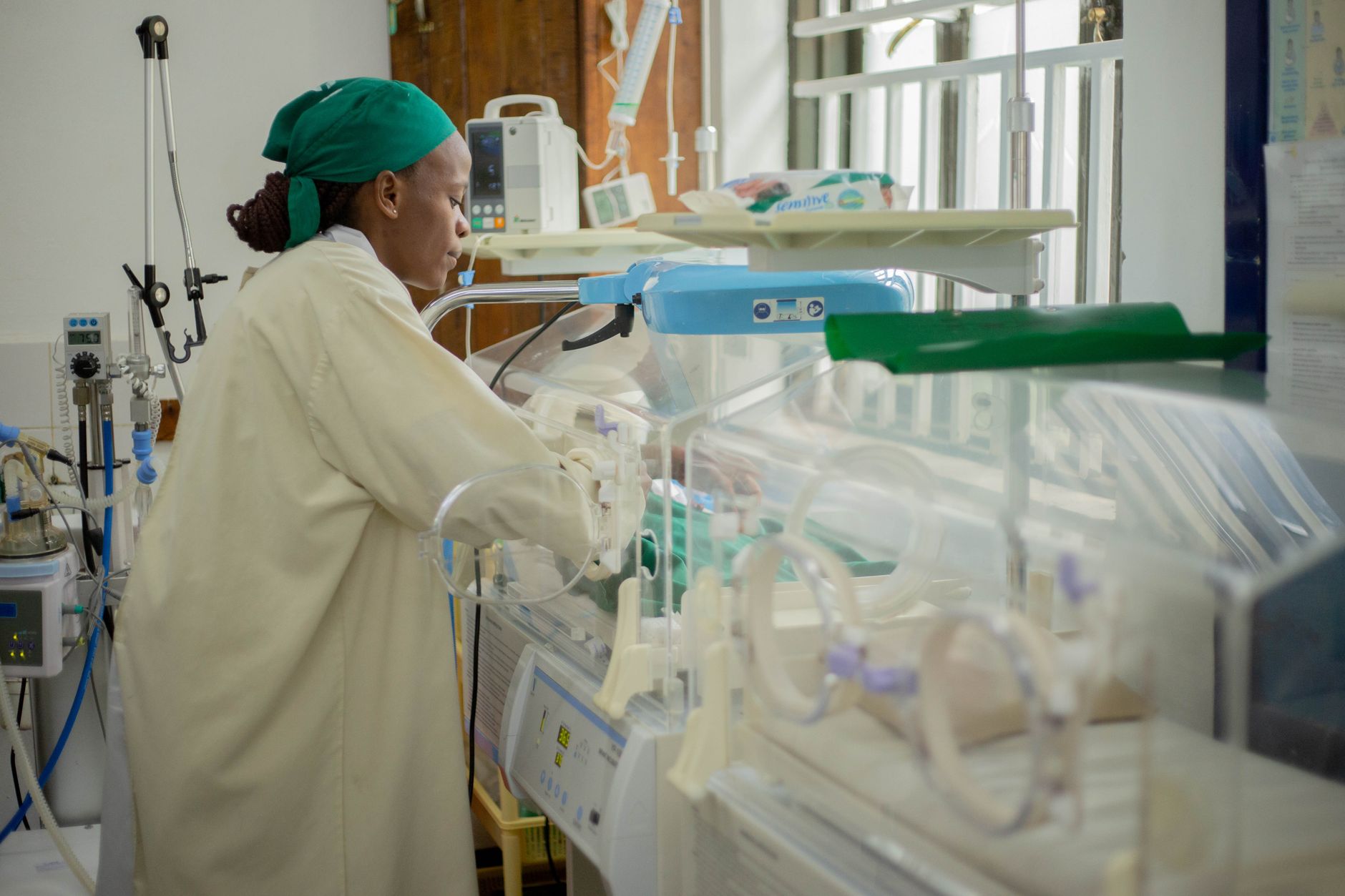
Oncology Nurse: The Drugs You Give Are Hazardous to You Too
Oncology nursing carries an occupational exposure risk most specialty guides skip: the agents you administer are classified as hazardous drugs, with handling requirements that exist to protect you rather than the patient. Here is what the role involves and how the OCN credential works.
Editorial
Last reviewed · August 3, 2026
Medically reviewed
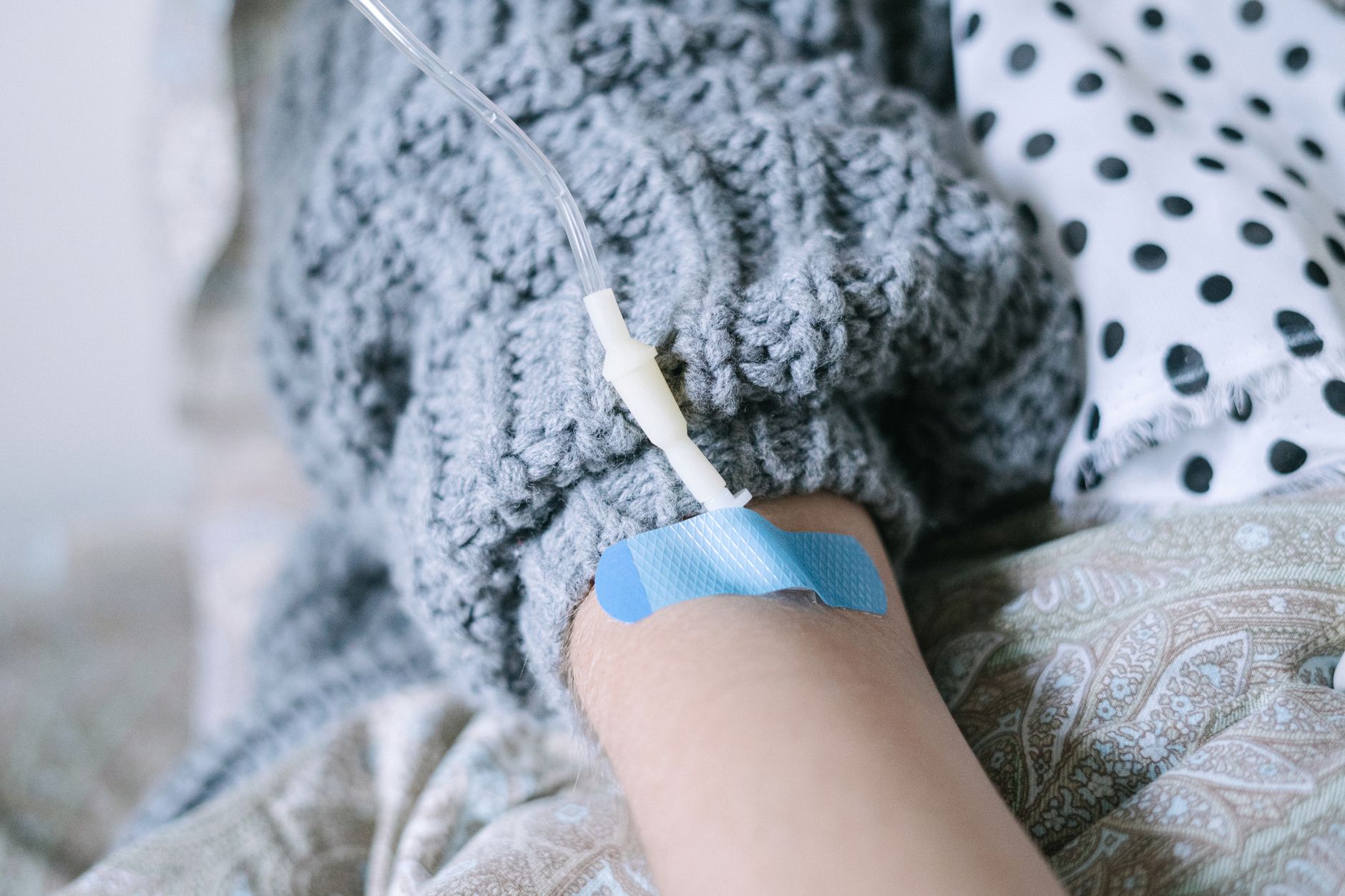
you are classified as hazardous. Here's what the specialty actually involves.
URL slug: /nursing-specialties/oncology-nurse
Focus keyword: oncology nurse
An oncology nurse cares for people being treated for cancer — administering therapy, managing side effects, and coordinating care across long treatment courses. Most patients are being treated, not dying; that's the difference from hospice. Chemotherapy agents are classified as hazardous drugs, so administration is governed by national safety standards and usually requires a chemotherapy education program first.
Most of what gets written about oncology nursing gets two things wrong at once. It quietly assumes the work is really end-of-life care, and it explains the "requirements" for the job as some flavor of compassion, patience, or emotional strength. Neither one is accurate, and neither one is particularly useful to a nurse actually trying to decide whether this specialty fits them. This guide corrects both, and adds a third fact almost nobody mentions: the drugs you'll be handling all day are formally classified as hazardous — to you, not just to the patient receiving them.
What Does an Oncology Nurse Do?
If this is the specialty you’d want, there is what you’ll be doing, caring for patients who are undergoing treatment for cancer, and the day to day work centers on that treatment relationship rather than on end-of-life care. That distinction matters enough to state plainly up front, because it's the single biggest misconception this specialty runs into.
The Actual Work
These are some of their Core Responsibilities;
Deliver Advanced Therapies: Administer chemotherapy, immunotherapy, targeted agents, and supportive treatments.
Manage Complications: Proactively identify and treat complex clinical side effects.
Educate & Coordinate: Guide patients and families through multi visit care plans and long term treatment courses.
Work Environments
The daily workflow and pace vary significantly depending on your clinical environment:
Outpatient Infusion Centers: High patient turnover, structured daytime schedules, and rapid fire IV management.
Inpatient Oncology Units: High acuity bedside care, continuous monitoring, and longer term patient relationships.
Specialty Clinics: Focus on symptom management, phone triage, navigation, and provider collaboration.
Infusion center work tends to be scheduled and cyclical, built around treatment protocols that repeat over weeks or months. Inpatient oncology work deals more with acute complications — the patient whose blood counts have dropped dangerously low, or who's developed a fever that needs to be treated as a potential emergency because of a compromised immune system.
No matter where they work, oncology nurses spend a lot of time helping patients manage symptoms such as nausea, fatigue, pain, and other side effects of cancer treatment. Patient education runs alongside the clinical work too, since patients and families are absorbing an enormous amount of new information about their disease, their treatment plan, and what day-to-day life looks like during treatment.
Beyond the direct clinical tasks, a meaningful share of the role is coordination. Oncology treatment plans typically involve multiple specialists — a medical oncologist, sometimes a surgeon or radiation oncologist, often a pharmacist reviewing dosing, plus supportive services like nutrition or social work — and the oncology nurse is frequently the person a patient can actually reach with a question between appointments. That coordination role means the job draws on organizational and communication skills at least as much as it draws on pure clinical technique, and it's a part of the work that's easy to underestimate from the outside.
Where the Work Happens
The setting shapes the day-to-day rhythm of the job more than people expect. In an outpatient infusion center, the work tends to be scheduled and cyclical — patients come in on a set treatment calendar, often the same patients returning week after week or month after month, and the nurse's day is organized around a roster of appointments rather than an unpredictable patient census.
Inpatient oncology units look different: the work leans more toward managing acute complications, since patients admitted to an oncology floor are often dealing with something that's gone wrong mid treatment — a dangerously low blood count, a fever that needs to be treated urgently because of a compromised immune system, or a reaction to therapy that needs close monitoring.
Specialty clinics, meanwhile, often sit somewhere between the two, combining scheduled treatment visits with same day triage for patients who call in with a new symptom.
Correcting the End-of-Life Assumption
Here's the correction worth making directly: most of your patients are fighting something, not ending something. Cancer treatment today, across a huge range of diagnoses, is undertaken with intent to cure or to control disease over the long term, not simply to manage a terminal decline. That's the meaningful difference between oncology nursing and hospice or palliative care, which is a distinct specialty built specifically around comfort focused care at the end of life. Some patients do move between the two — a person whose treatment stops working may transition into hospice care — but the two roles don't merge, and describing oncology nursing as though it were essentially hospice work with extra steps misdescribes what the job actually is on a day-to-day basis.
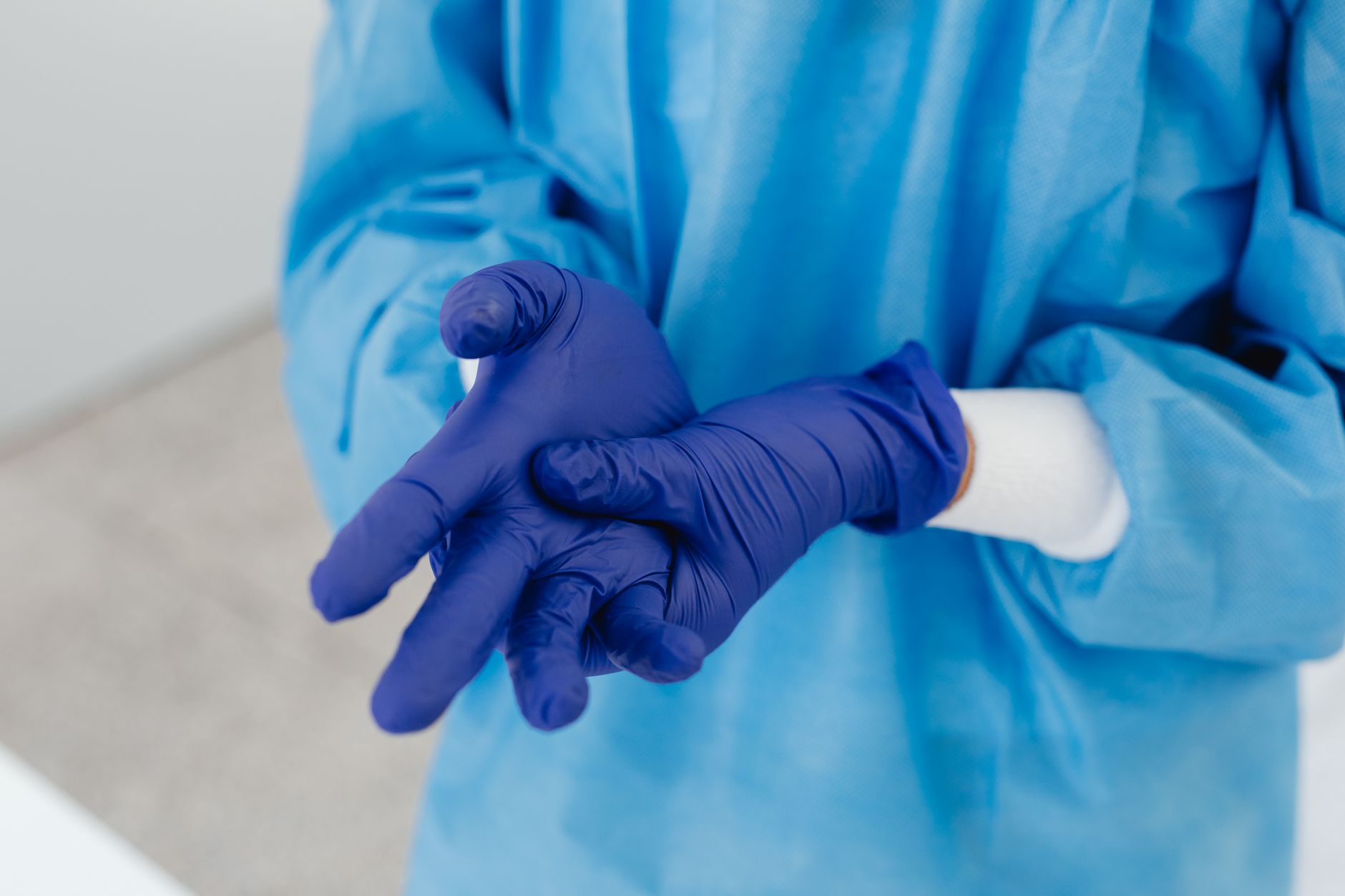
Hazardous Drugs and the Provider Card
This is the part that gets skipped almost everywhere else when this specialization is discussed, and it's worth understanding clearly before you commit to the path, because it's a genuine and well documented occupational health consideration rather than a footnote.
Why Chemotherapy Agents Are Classified as Hazardous Drugs
You can understand more from The National Institute for Occupational Safety and Health (NIOSH) which maintains a list of drugs it classifies as hazardous in healthcare settings — a category that includes most chemotherapy agents alongside certain other medications with similarly concerning toxicity profiles.NIOSH first published its foundational alert on this topic in 2004, and they have updated that list repeatedly since, most recently in 2024, as new drugs enter clinical use. Alongside NIOSH's classification work, the U.S. Pharmacopeia sets the formal practice and safety standards for handling these hazardous agents at the bedside. Together, these two bodies are the primary authorities that dictate exactly how hospitals and clinics must structure their safety protocols to protect you from exposure
In plain terms, the drugs you handle as an oncology nurse are never treated like routine medications. Because these agents pose a real, documented risk to the people handling them—not just the patients receiving them—hospitals have to build their entire workspace around safety. We are talking about specialized engineering controls, strict protective gear protocols, and mandatory handling procedures designed specifically to shield you from toxic exposure. That's a genuinely different working reality than most other nursing specialties, and it's one that recruitment style content about oncology nursing routinely leaves out entirely.
What This Guide Isn't Going to Teach You
It's worth being explicit about scope here. This article is describing the fact that this occupational hazard exists and that structured safety controls exist to manage it — it is deliberately not attempting to teach you the specifics of hazardous drug handling procedures, personal protective equipment sequencing, or spill response protocols. That kind of training is your employer's responsibility, delivered through a structured competency program specific to your facility's equipment, workflows, and policies, and a careers page attempting to teach it secondhand would be both outside its proper scope and genuinely unsafe as a substitute for hands-on, facility specific training.
The Provider Card, Explained Honestly
Before administering chemotherapy independently, oncology nurses typically complete a structured education program through the Oncology Nursing Society (ONS), which results in what's commonly called an ONS Provider Card. The specific pathway varies depending on how much and how often you'll be administering these agents: a foundational course covers nurses who administer chemotherapy and biotherapy generally, while a more advanced certificate course, which also earns an additional credential through the Oncology Nursing Certification Corporation, is aimed at nurses working in high volume settings with a wide range of agents. The provider card itself is typically valid for a set period and requires periodic renewal through a refresher course.
It's worth being precise about what this card is and isn't. It represents completion of a defined education program and isn't equivalent to professional certification or licensure, and your employer ultimately determines whether you have the theoretical and practical competency needed to administer chemotherapy in their specific setting — the exact requirement, and which specific ONS pathway applies, can vary by employer and by role. If you're seriously considering this specialty, ONS's own course pathway information is the authoritative place to confirm the current requirements rather than relying on a secondhand summary that may be out of date by the time you read it.
An Honest Frame, Not an Alarming One
None of this is meant to discourage you from the specialty, and it shouldn't read it as a warning sign. It's a well characterized occupational hazard with decades of research behind it and established, standardized controls built specifically to manage it — closer in spirit to how radiology technicians work with radiation exposure than to some hidden, unaddressed danger. The honest version of this fact is simply that it exists, that national standards govern it, and that a nurse choosing this specialty deserves to know that going in, rather than discovering it only once they're already several months into the role. Nobody mentions this in most recruitment material. That's not because it's a scandal — it's because the training and controls that manage it exist quietly, in the background, doing exactly what they're designed to do.
Oncology nursing | Most acute-care specialties | |
|---|---|---|
Occupational exposure | Handles drugs classified as hazardous to the administering clinician | Standard precautions only |
Required handling training | Employer-provided chemotherapy/biotherapy preparation, plus PPE and closed-system protocols | Unit orientation |
Relationship length | Months to years with the same patients across treatment cycles | Shift-length or admission-length |
Certification | OCN through ONCC, after accrued oncology practice hours | Varies by specialty |
Emotional demand | Sustained uncertainty rather than acute crisis | Episodic acute stress |
Long Relationships, Uncertain Outcomes
Beyond the clinical and occupational realities, there's an emotional structure to oncology nursing that's genuinely distinctive, and it's worth describing honestly rather than either avoiding it or leaning into it for dramatic effect.
Building Trust Over Time
Because cancer treatment often runs across months or years rather than a single admission or a handful of visits, oncology nurses frequently build real, ongoing relationships with the same patients over an extended period. You'll come to know their family situation, their job, sometimes even small details like their dog's name — the kind of familiarity that comes from seeing someone regularly over a long stretch of time, in a setting where they're going through something significant. Some patients complete treatment successfully and move on with their lives. Others don't, and that reality is simply part of working in oncology.
Naming This Honestly, Without Dwelling on It
This is worth stating plainly, once, without turning it into the emotional centerpiece of what the job is. Nurses who work in oncology generally describe this continuity as one of the specialty's most meaningful and rewarding features — the chance to genuinely know your patients, rather than seeing them for a single shift and never again — and that's a real, commonly reported experience rather than a claim that holds true for every nurse in every setting. It's worth noting, too, that this is a description of what oncology nurses report about the work itself, not an argument for or against end-of-life care as a separate specialty.
The honest summary is this: the good part and the hard part of oncology nursing are frequently the same part. Building real relationships with patients over a long treatment course is what makes the specialty meaningful to a lot of the nurses who choose it, and it's also what makes the harder outcomes, when they happen, land differently than they might in a specialty built around shorter term patient contact.
Is It Right for You?
Given everything above — the treatment focused clinical work, the occupational safety dimension, and the emotional structure of long patient relationships — it's worth laying out honestly what kind of nurse tends to thrive here, and what kind of nurse might find the fit uncomfortable.
Is This Specialty Right for You?
It might be, if you are comfortable with strong attention to detail and protocol discipline, since administering hazardous medications safely depends on consistently following structured procedures rather than improvising. Also you’d want to build long term relationships with your patients rather than brief, one time interactions,constantly rotating caseload, and who can hold genuine uncertainty about outcomes over long stretches of time without it wearing them down in a way that affects their ability to keep showing up fully present for each patient.
When This Specialty May Not Be the Best Fit
Let’s be completely real: oncology isn't for everyone. If you crave a fast patient turnover, constant variety, and the freedom to improvise on the fly, you are going to find oncology incredibly confining. Likewise, if sitting with long term patient uncertainty feels like a recipe for emotional burnout rather than a meaningful career path, please listen to that gut feeling. That isn't a weakness,it’s an incredibly valuable signal. Don’t ignore it hoping it will change; use it to find the specialty that actually fits your workflow.
It's also worth thinking honestly about pace and structure as separate questions from the emotional dimension. Some nurses who'd otherwise be drawn to the patient relationship side of oncology find the protocol heavy, safety checklist nature of chemotherapy administration tedious rather than reassuring — double checking doses, verifying orders, following fixed administration sequences without shortcuts. Some nurses like having a clear routine because it makes a demanding job feel more manageable. Others prefer a role with more variety. Neither preference says whether you'd make a good oncology nurse. It simply helps you decide if this specialty fits the way you like to work
What This Guide Isn't Going to Assess
One thing worth being direct about: this article isn't going to tell you whether you're "compassionate enough" for oncology nursing, because that framing is exactly the useless shorthand this guide is trying to correct. Compassion isn't really the differentiator here — plenty of excellent nurses in plenty of specialties are deeply compassionate. What actually distinguishes oncology nursing is a specific combination of technical precision with genuinely hazardous medications, comfort with long term patient relationships, and tolerance for real uncertainty about outcomes. It isn't about being a compassionate person in the abstract. It's about being precise with dangerous drugs while someone tells you about their week — and building the kind of long term rapport that makes that ordinary, weekly conversation feel worth having.
Certification and Pay, Briefly
If you decide that oncology nursing is the absolute right direction for you, the next big milestone to look at is getting your Oncology Certified Nurse (OCN) credential. This is a professional certification offered through the Oncology Nursing Certification Corporation (ONCC). Now, it is generally optional rather than mandatory, but many employers highly value it and even reward you with a nice pay bump. To qualify, you generally need an active RN license, a specific number of hands-on oncology practice hours, and to pass their specialized exam. Since these requirements can change over time, I highly recommend checking out the official ONCC eligibility page directly for the most current rules, rather than relying on secondhand info!
About the pay, oncology nursing compensation varies by geographic region, care setting, and individual experience level, the same way it does across nursing broadly. Rather than quoting a figure here that would likely be stale by the time you read it, the Bureau of Labor Statistics' data on registered nurses is a better place to get a current, well sourced picture.
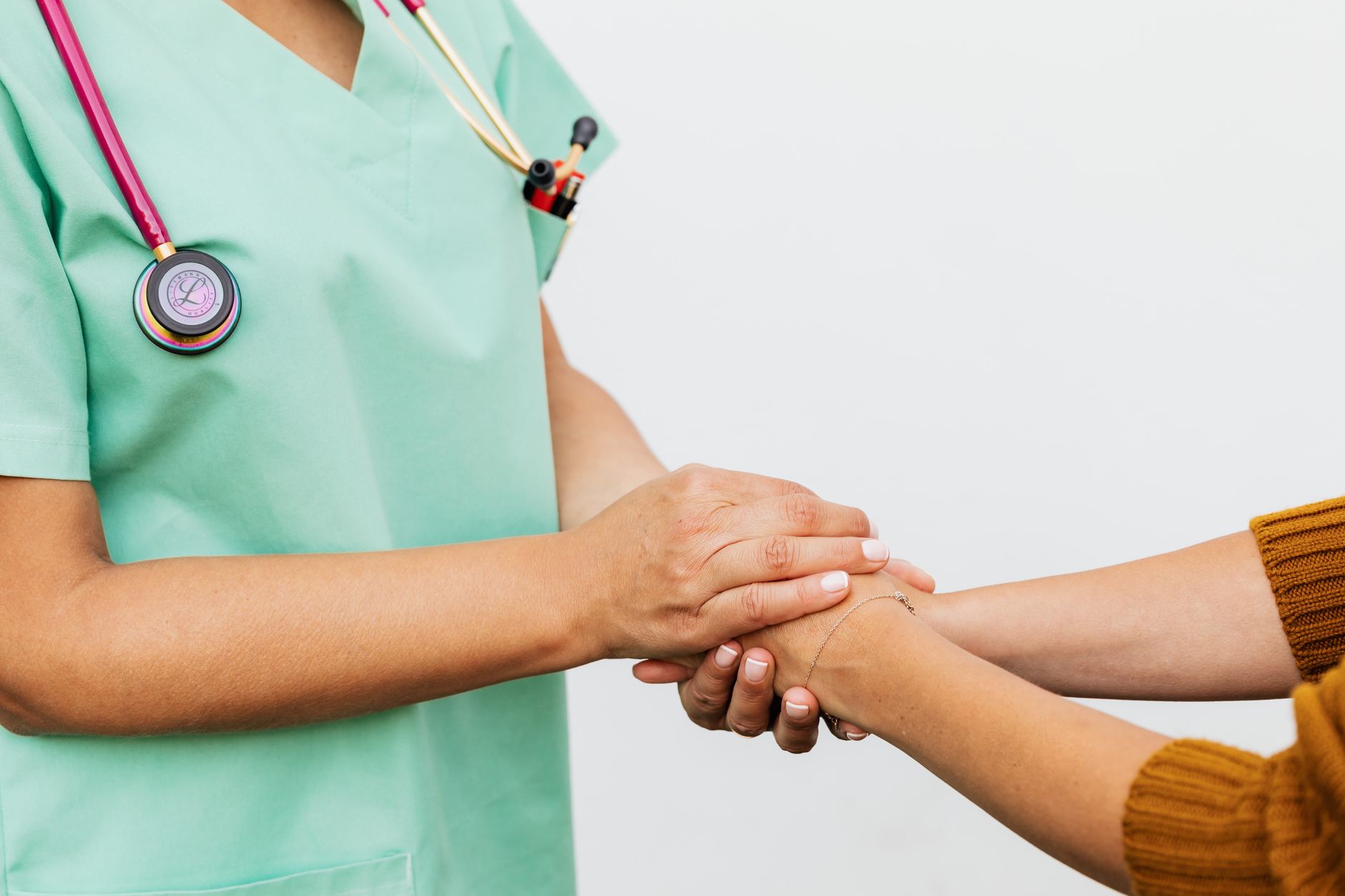
Frequently Asked Questions
What does an oncology nurse do? Cares for people being treated for cancer — administering therapy, managing side effects and complications, educating patients, and coordinating care across treatment courses that often run months or years. Its treatment focused work carried out in infusion centers, clinics, and inpatient oncology units.
Is oncology nursing the same as hospice nursing? No, and treating them as the same thing misdescribes the specialty. Most oncology patients are being actively treated, often with intent to cure or control their disease long term. Hospice nursing is a distinct specialty built around comfort focused care at the end of life. Some patients do transition from one to the other, but the two roles don't merge into a single job.
Is handling chemotherapy dangerous for nurses? They are mostly classified as hazardous drugs, and national standards from NIOSH and the U.S. Pharmacopeia govern how healthcare workers handle them. That's precisely why the engineering controls, training programs, and protective equipment exist — it's a well characterized occupational hazard with established protections in place, not a hidden or unaddressed one. Your employer's specific competency program covers the practical details.
Do you need a certification to give chemo? Typically you complete a structured chemotherapy and biotherapy education program before administering — commonly resulting in what's called an ONS Provider Card — though the exact pathway and requirement can vary by employer and by how much chemotherapy you'll be administering. Checking ONS's current course information directly is the reliable way to confirm what applies to your situation. This provider card is a separate thing from the OCN credential, which certifies oncology nursing knowledge more broadly rather than specifically authorizing chemotherapy administration.
What is OCN certification? It's the Oncology Certified Nurse credential, offered through the Oncology Nursing Certification Corporation (ONCC). It's generally optional, though some employers prefer or reward it, and eligibility typically depends on a combination of licensure, oncology practice hours, and an exam. ONCC's site has current, authoritative eligibility requirements.
Is oncology nursing depressing? Nurses who work in the specialty generally say no, and often point to the long term continuity with patients as one of the things they value most about the work — you genuinely get to know the people you're caring for over months or years. Some patients don't survive their disease, and that's a real part of the job. But the specialty as a whole is built around actively treating people, not around loss, and most of the day-to-day work reflects that.
How much do oncology nurses make? It varies by setting, geographic region, and experience level, the same way nursing pay generally does. Checking current BLS data will give you a more reliable, current picture than a generic online average.
The Bottom Line
Oncology nursing gets misdescribed in two directions at once: as end-of-life work it mostly isn't, and as a specialty defined by compassion rather than by the actual, describable skills and realities it requires. The clearer picture is this — it's treatment focused care, most of it aimed at curing or controlling disease rather than managing a terminal decline; the medications involved are formally classified as hazardous, with real national safety standards and an education requirement built around that fact; and the specialty's defining emotional feature is long term continuity with patients whose outcomes you genuinely don't know in advance. Nurses deciding whether this path fits them deserve all three of those facts clearly, not just the comforting version.
If you are still working toward licensure, our guides to NCLEX pharmacology, the top 200 drugs and nursing lab values cover the drug and monitoring knowledge oncology nursing builds on.
Written by · Verified educator
Testavia editorial
Nathan Cole
RN
Medical-Surgical nurse & health writer
Meet Nathan, a registered nurse with over five years of experience in Medical-Surgical care, based in New York City. Having worked with a wide range of patients through some of their most vulnerable moments, Nathan brings a grounded, real-world perspective to his writing on healthcare. His goal is simple: to bridge the gap between medical knowledge and everyday understanding, making health topics feel less intimidating and more empowering for everyone. When he's not caring for patients, Nathan channels his passion for medicine into writing that educates, comforts and inspires.
5+
Years in Med-Surg
Medical-Surgical
Specialty
New York City
Based in