Nursing Lab Values: High-Yield Ranges & Critical Flags
You don’t have to memorize every lab to ace nursing exams or protect patients — you need the high-yield panels you’ll actually use: CBC, BMP/CMP, ABGs, and coagulation. Here are the adult normal ranges and critical thresholds, the first nursing action for each danger, why "normal" ranges vary, and how to memorize them.
Editorial
Last reviewed · July 16, 2026
Medically reviewed
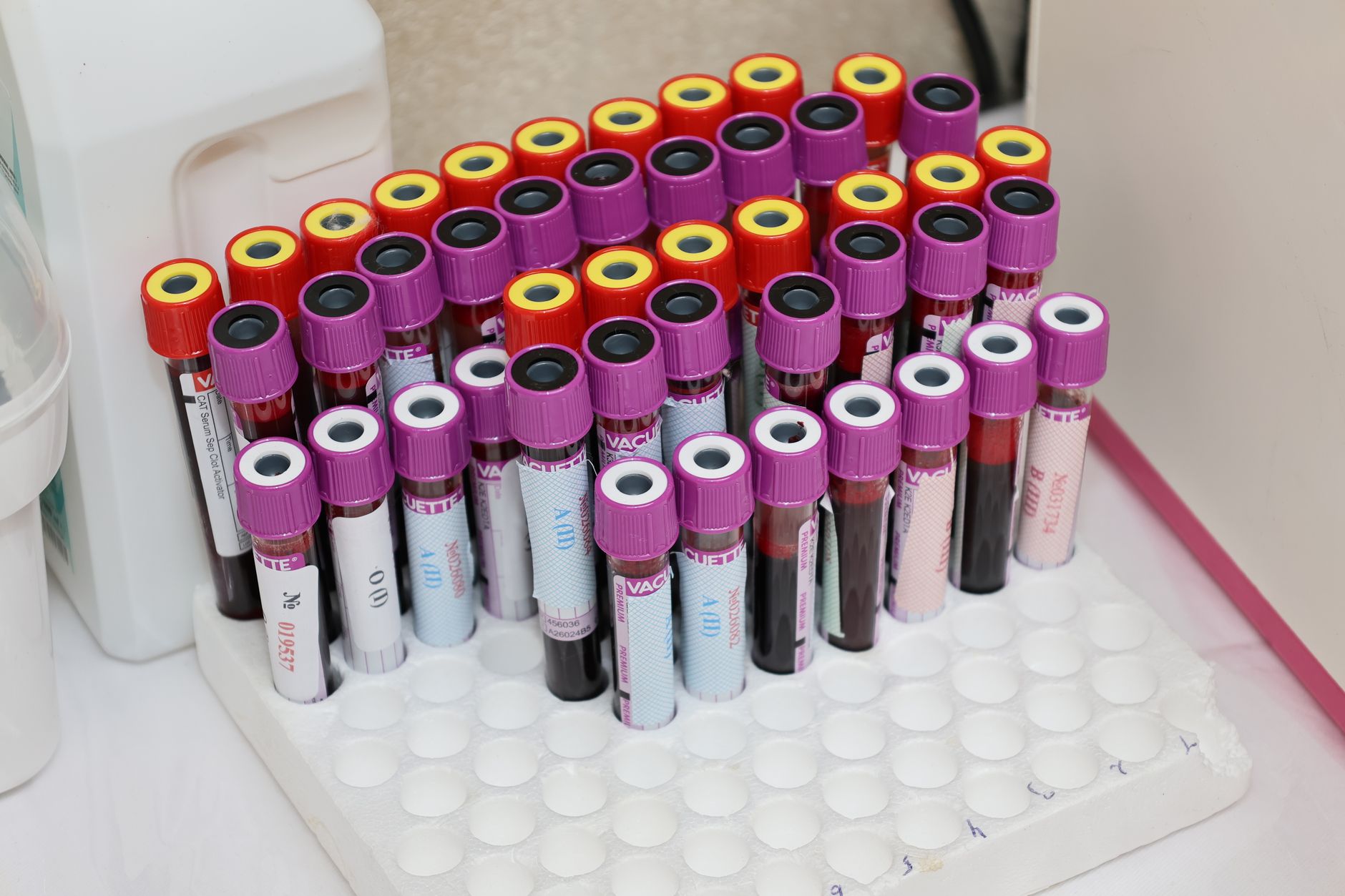
Studying lab values for nursing school or the NCLEX feels overwhelming if you try to memorize everything — but you do not have to be a walking encyclopedia to ace your tests or protect your patients. Focus your time on the high-yield panels you will use on shift: the Complete Blood Count (CBC), metabolic panels (BMP/CMP), Arterial Blood Gases (ABG), and coagulation studies. And here is what nursing school leaves out: "normal" ranges are moving targets that shift with hospital equipment, lab protocols, and your patient’s background. Examiners do not care if you can recite a decimal from memory — they want to know what you do next: spot the abnormal trend, connect it to the patient, and act to keep them safe.
Which lab values do nursing students actually need?
A doctor can order hundreds of blood, urine, and fluid tests, and trying to memorize every one is a ticket to burnout. Almost all your exams, care plans, and NCLEX questions revolve around a small core of about 30 numbers that tell you how a patient’s body is coping — fluid levels, oxygenation, organ health, and acid-base balance. Four primary suites form the backbone of daily care:
Basic & Comprehensive Metabolic Panel (BMP/CMP). Your window into fluid balance, critical electrolytes, and kidney/liver performance.
Complete Blood Count (CBC). The primary tool for general blood health, hidden infection, and cell counts.
Arterial Blood Gases (ABG). pH, PaCO2, HCO3, and PaO2 — a real-time look at breathing and acid-base balance.
Coagulation markers. PT/INR and aPTT — a safety net showing how fast or slow the blood is clotting.
Focusing on these panels switches your brain from memorization to critical thinking: instead of a random list of numbers, a lab report becomes a story about what is happening inside your patient right now. Learn the ~30 values that show up constantly before spending time on rare, specialized ones.

High-yield lab values by panel (the master chart)
These are adult reference ranges with the major red flags that signal danger. Every hospital uses slightly different equipment and methods, so ranges fluctuate — never rely on a single decimal, and always check baselines against your school or facility policy.
Complete Blood Count (CBC)
The complete blood count gives a rapid headcount of the cells in the bloodstream — immune defense, oxygen delivery, and clotting capacity in one draw.
Lab value | Typical adult range | Critical flag threshold |
|---|---|---|
Hemoglobin (Hgb) | Male 13.8–17.2 g/dL; Female 12.1–15.1 g/dL | <7.0 g/dL (severe anemia / transfusion trigger) or >20.0 g/dL |
Hematocrit (Hct) | Male 40.7%–50.3%; Female 36.1%–44.3% | <21% or >65% |
White blood cells (WBC) | 4,500–11,000 cells/mcL | <2,000 or >30,000 cells/mcL |
Platelets | 150,000–450,000 cells/mcL | <50,000 (severe bleeding risk) or >1,000,000 cells/mcL |
Basic & Comprehensive Metabolic Panel (BMP/CMP)
Lab value | Typical adult range | Critical flag threshold |
|---|---|---|
Sodium (Na+) | 135–145 mEq/L | <120 or >160 mEq/L |
Potassium (K+) | 3.5–5.0 mEq/L | <2.5 or >6.5 mEq/L (extreme dysrhythmia risk) |
Chloride (Cl-) | 96–106 mEq/L | <80 or >115 mEq/L |
CO2 / bicarbonate (HCO3-) | 23–29 mEq/L | <10 or >40 mEq/L |
Blood urea nitrogen (BUN) | 7–20 mg/dL | >100 mg/dL (severe renal impairment) |
Creatinine (Cr) | 0.6–1.2 mg/dL | >4.0 mg/dL |
Glucose (fasting) | 70–100 mg/dL | <40 mg/dL (severe hypoglycemia) or >400 mg/dL |
Calcium (Ca2+) | 8.5–10.2 mg/dL | <6.0 or >13.0 mg/dL |
Arterial Blood Gas (ABG)
Lab value | Typical adult range | Critical flag threshold |
|---|---|---|
pH | 7.35–7.45 | <7.20 or >7.60 |
PaCO2 | 35–45 mmHg | <20 or >60 mmHg |
HCO3 | 22–26 mEq/L | <10 or >40 mEq/L |
PaO2 | 80–100 mmHg | <40 mmHg (severe hypoxemia) |
Coagulation panel
Lab value | Typical adult range | Critical flag threshold |
|---|---|---|
Prothrombin time (PT) | 11–13.5 seconds | >30 seconds |
INR | Normal 0.8–1.1; therapeutic (warfarin) 2.0–3.0 | >5.0 (extreme hemorrhage risk) |
aPTT | 30–40 seconds; therapeutic (heparin) 1.5–2.5× baseline | >70 seconds |
Common therapeutic drug levels
Medication | Therapeutic target | Toxic threshold |
|---|---|---|
Digoxin | 0.5–2.0 ng/mL | >2.0 ng/mL (digoxin toxicity) |
Lithium | 0.6–1.2 mEq/L | >1.5 mEq/L (lithium toxicity) |
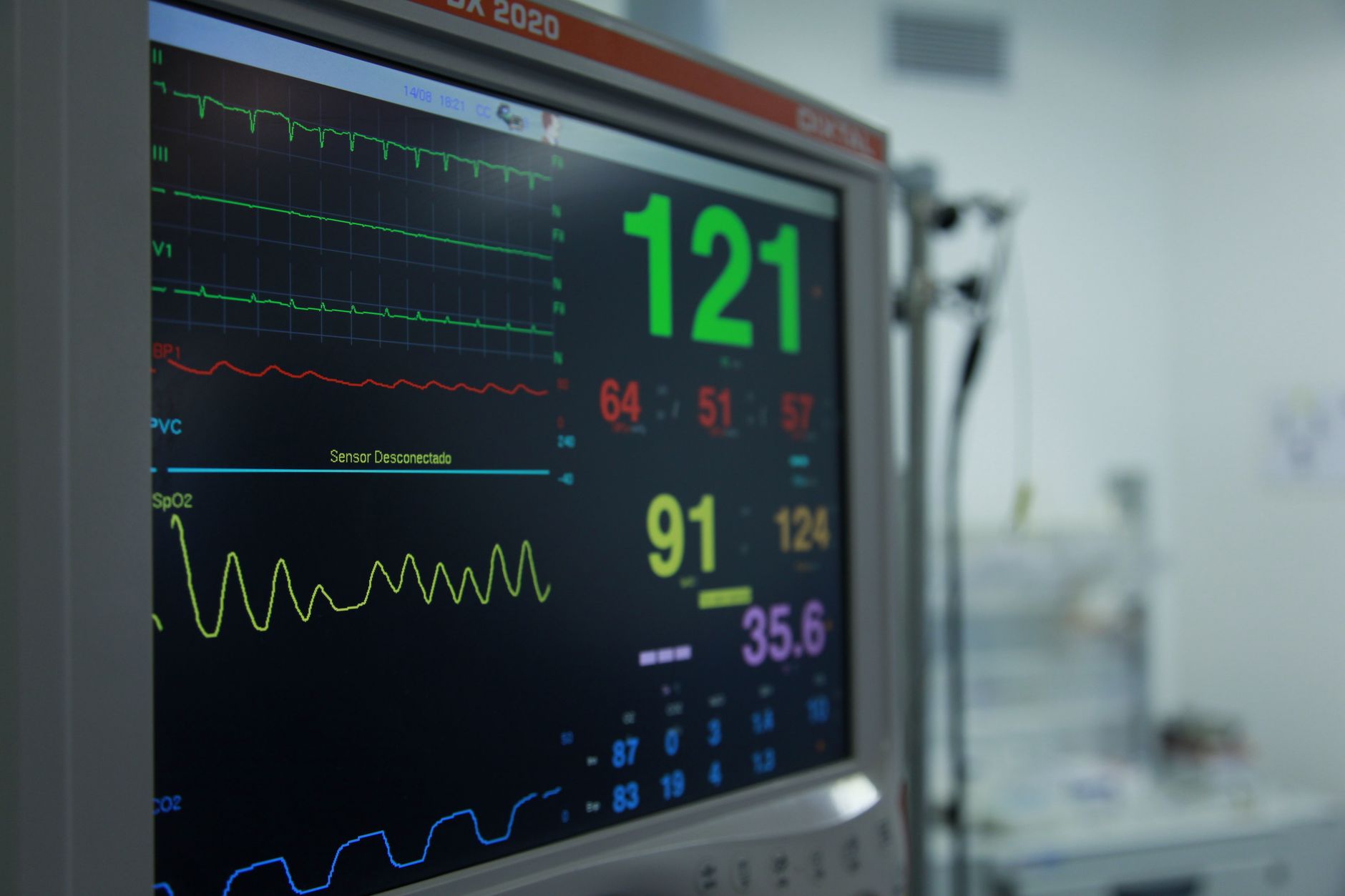
Why "normal" ranges vary (and how to read them)
A huge trap is treating a textbook range like an unchanging law. You might memorize potassium as 3.5–5.0 mEq/L, then walk into a hospital that flags results outside 3.6–5.1 — that difference is normal. Per NIH MedlinePlus, a "normal" range is a statistical average from a specific tested population, and it shifts with equipment, reagents, and machines. A person’s own baseline also varies with sex, age, pregnancy, and even altitude — adult men carry higher hemoglobin than women, and creatinine differs across pediatric, young-adult, and elderly patients.
Safe practice means tracking trends over time, not reacting to a single slip. Consider a post-op patient whose hemoglobin drops from 14.2 to 11.5 in twelve hours: even though 11.5 sits within textbook limits, that sharp downward trajectory is an urgent red flag for active internal bleeding. Prioritize the clinical trajectory, monitor changes across your shift, and evaluate every value against your facility’s reference parameters.
Critical values and the nursing action
A critical value is a result so far outside the reference limits that it signals immediate, life-threatening danger. Your response is structured: assess, notify, intervene. First, check the patient’s clinical status — if a lab claims a deadly electrolyte level but the patient is sitting up and chatting, rule out collection error (a hemolyzed sample or a draw above a running IV can falsely elevate potassium). If the numbers are terrible and the patient shows matching symptoms — an irregular heartbeat, profound weakness — it is a true crisis requiring instant intervention.
Critical value flag | Underlying danger | Essential first nursing consideration |
|---|---|---|
Potassium (K+) < 2.5 mEq/L | Severe hypokalemia — lethal ventricular dysrhythmias and respiratory muscle paralysis | Immediate ECG, continuous cardiac monitoring, prepare controlled IV potassium replacement. Never give IV potassium by rapid push. |
Potassium (K+) > 6.5 mEq/L | Severe hyperkalemia — bradycardia, ventricular fibrillation, or asystole | Immediate ECG (peaked T-waves, widened QRS); prepare prescribed emergency therapies (calcium gluconate, insulin with dextrose, sodium zirconium cyclosilicate). |
Sodium (Na+) < 120 mEq/L | Severe hyponatremia — cerebral edema, altered mental status, seizures, coma | Strict seizure precautions, close neuro checks, restrict free fluids, prepare ordered hypertonic saline given slowly. |
Glucose < 40 mg/dL | Critical hypoglycemia — CNS substrate deprivation, brain damage or death | Assess neuro status; if conscious and safe to swallow, rapid-acting oral carbs per protocol; if unconscious, IV dextrose or IM glucagon. |
Platelets < 50,000 cells/mcL | Severe thrombocytopenia — spontaneous internal or intracranial hemorrhage | Full bleeding precautions: avoid IM injections and unnecessary venipuncture, soft toothbrush, fall prevention, monitor for occult blood. |
How to memorize lab values + NCLEX framing
Stop relying on mindless flashcards — group labs into categories and connect each number to what you would physically do for the patient. The Next Gen NCLEX is not a trivia contest: it hands you a multi-page chart and expects you to spot bad numbers, figure out what is breaking down, and pick the safest action first, exactly the skill our fluid and electrolytes NCLEX and NCLEX prioritization guides drill.
A simple grouping trick: bundle numbers into one mental image. For the Basic Metabolic Panel, picture a snack on a hot day — salty potato chips (Sodium 135–145) washed down with a banana milkshake (Potassium 3.5–5.0), outside on a crisp clear day (Chloride 96–106), resting under a shaded awning (CO2/bicarbonate 23–29).
Then run every abnormal value through three steps:
Identify the abnormal value.
Contextualize it with the patient’s symptoms.
Determine the safest nursing action first.
Two study habits that stick: group labs by clinical system (study BUN and creatinine together for renal failure; ALT, AST, and bilirubin together for liver), and practice actively — look at a number and ask what it looks like at the bedside if it spikes or drops, then name your first nursing action. Reinforce with high-alert medication monitoring and the lab interpretation woven through HESI Med-Surg.

Written by · Verified educator
Testavia editorial
Nathan Cole
RN
Medical-Surgical nurse & health writer
Meet Nathan, a registered nurse with over five years of experience in Medical-Surgical care, based in New York City. Having worked with a wide range of patients through some of their most vulnerable moments, Nathan brings a grounded, real-world perspective to his writing on healthcare. His goal is simple: to bridge the gap between medical knowledge and everyday understanding, making health topics feel less intimidating and more empowering for everyone. When he's not caring for patients, Nathan channels his passion for medicine into writing that educates, comforts and inspires.
5+
Years in Med-Surg
Medical-Surgical
Specialty
New York City
Based in