HESI Med-Surg Exam: What It Covers & How to Pass
Medical-surgical nursing is the backbone of clinical practice, and the HESI Med-Surg specialty exam is one of the most demanding tests in nursing school. Here’s what it covers across nine body systems, how programs use the score, the NGN item types you’ll face, and how to prepare strategically.
Editorial
Last reviewed · July 16, 2026
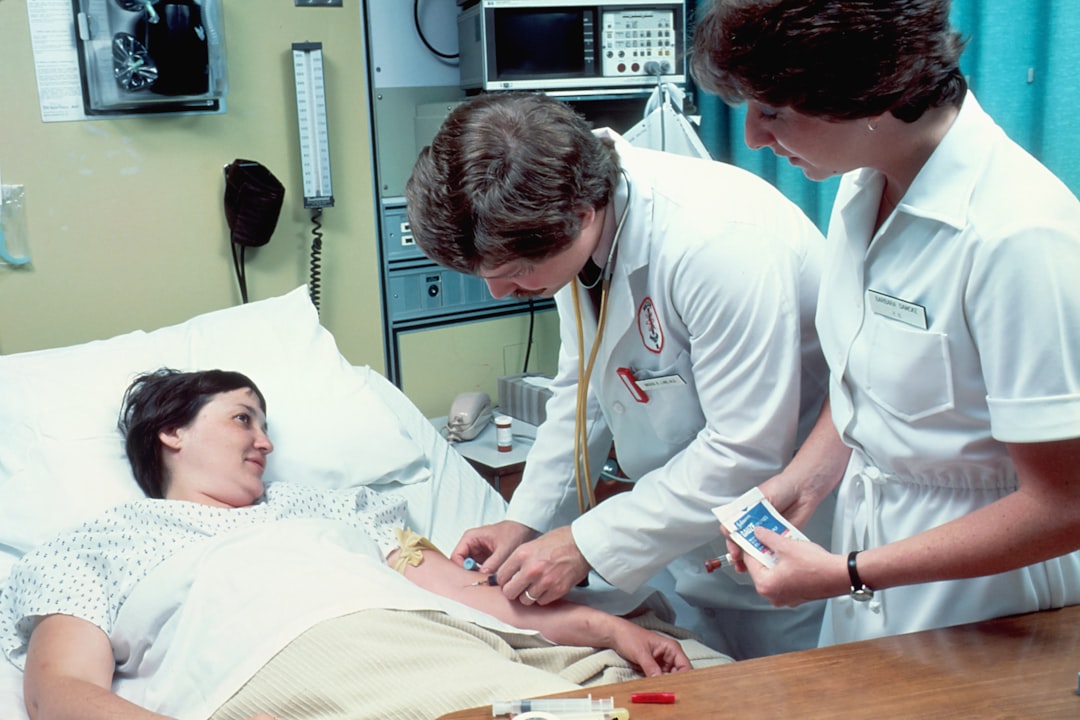
Medical-surgical nursing is the backbone of clinical practice — it covers the widest range of conditions, affects the most patient populations, and demands the rapid prioritization that defines competent care. So it is no surprise that the HESI Medical-Surgical exam is one of the most demanding specialty exams in a nursing program. Whether your program uses it as a course final, a mid-curriculum checkpoint, or a graduation requirement, here is what it covers, how programs use the results, and how to prepare strategically.
What the HESI Med-Surg exam is
The HESI Medical-Surgical exam is a specialty content assessment developed by Elsevier as part of the broader HESI suite. It sits in the middle of the nursing curriculum — taken during or after the med-surg course, not before nursing school like the HESI A2. HESI has three exam categories: Admission, Specialty, and Exit, and knowing where this one fits matters.
Exam | When taken | Purpose |
|---|---|---|
HESI A2 (Admission Assessment) | Before nursing school | Academic readiness: reading, math, grammar, science |
HESI Specialty exams (e.g., Med-Surg) | During nursing school | Clinical content knowledge in a specific subject area |
HESI Exit Exam (E2) | Near graduation | Full curriculum; NCLEX readiness prediction |
The Med-Surg specialty exam assesses how well you can use nursing knowledge to care for an adult-health patient. Its questions resemble the NCLEX — requiring clinical judgment, prioritization, and decision-making rather than simple recall. (It is distinct from the HESI Exit Exam, which assesses the whole curriculum near graduation.)
The NGN update
Since the Next Generation NCLEX (NGN) launched in April 2023, HESI has built Next Gen formats into its specialty and exit exams. On the Med-Surg exam today you may meet unfolding case studies, bow-tie questions, matrix multiple-choice, highlight-text, drag-and-drop cloze, and drop-down rationale items alongside standard multiple choice. These test clinical judgment more deeply — asking you to analyze a patient’s trajectory, identify the most urgent problem, and sequence the right actions. If you have not practiced NGN-style questions before your exam, that gap will show.

What’s covered: high-yield systems and conditions
The exam spans most of adult health care, because med-surg patients present with conditions from every body system — often more than one at a time. The official content areas:
Content area | Core conditions and topics |
|---|---|
Cardiovascular, hematologic, lymphatic | Heart failure, MI, hypertension, arrhythmias, PVD, DVT, anemia, coagulation disorders |
Respiratory | COPD, asthma, pneumonia, PE, respiratory failure, oxygen therapy, tracheostomy care |
Gastrointestinal | Peptic ulcer disease, cirrhosis, pancreatitis, IBD, ostomy care, GI bleeding, hepatic failure |
Endocrine | Diabetes (DKA, HHS, hypoglycemia), thyroid disorders, adrenal insufficiency, Cushing’s |
Integumentary | Wound healing, pressure injuries, burns, skin infections, wound-care principles |
Neurological & sensory | Stroke, increased ICP, seizure disorders, Parkinson’s, MS, sensory deficits |
Musculoskeletal | Fractures, osteoporosis, joint replacement, compartment syndrome, gout, traction/cast care |
Renal, urinary, reproductive | AKI, chronic kidney disease, UTI, dialysis management, kidney stones, catheter care |
Immunologic & infectious | HIV/AIDS, sepsis, immunosuppression, communicable diseases, infection control |
What questions actually look like
Every question is scenario-based: a brief patient case — setting, condition, relevant labs or vitals — then one of a few question types. The most common approaches are priority and delegation ("Which patient do you see first? What can be delegated?"), interpretation ("What does this lab mean for this patient?"), intervention ("What is the most appropriate nursing action?"), and safety/complication recognition ("Which finding warrants immediate provider notification?"). Knowing the pathophysiology of heart failure is necessary but not sufficient — the exam tests whether you can apply it the moment a patient changes.
High-yield topics to prioritize
System | Top high-yield topics |
|---|---|
Cardiovascular | Left vs. right heart failure signs, MI priorities, troponin interpretation, post-procedure care |
Respiratory | COPD oxygenation (low-flow O2), PE recognition, ventilator basics |
Endocrine | DKA vs. HHS differentiation, hypoglycemia management, insulin administration |
Renal | Hyperkalemia in AKI, fluid and electrolyte imbalances, dialysis access care |
Neurological | Stroke recognition (FAST), increased-ICP signs and positioning, seizure precautions |
GI | Esophageal varices hemorrhage, liver-failure coagulopathy, ileostomy output concerns |
Lab values run through all of these. Interpreting potassium in renal failure, troponin in chest pain, or platelets in sepsis is exactly the integrated reasoning the exam demands — the same skill our fluid and electrolytes NCLEX guide drills.


How it’s used and how to prepare
How programs use the score
Programs use the Med-Surg exam differently, and knowing your school’s model shapes your prep. As a course final, the score carries direct grade weight and a low score may mean repeating the course. As a progression requirement, it is a benchmark you must meet to advance a semester or reach clinical placements — the University of Oklahoma Health Sciences Center, for example, requires a benchmark of 800 (roughly 75%) across up to four attempts before advancing. And a smaller number of programs fold it into a broader HESI portfolio that must be met before graduation.
Score benchmarks
HESI specialty and exit exams use a 300–1,200 scaled score, not a simple percentage. Per Elsevier’s scoring documentation:
Score | What it means |
|---|---|
850 | Acceptable level of performance |
900 | Recommended level of performance |
Below 850 | Below benchmark; remediation indicated |
Most programs set their minimum near 800 (roughly 75%); some competitive programs require 850 or above. Always confirm your program’s exact cutoff.
Preparation strategies that actually work
Study by body system, not by chapter. Cover one system at a time — brief normal A&P, then common disorders, key assessment findings, nursing priorities, and frequently used medications. This builds the comparative reasoning the exam demands.
Use ABCs and Maslow consistently. A large share of questions involve prioritization; "who do you see first" almost always resolves through Airway-Breathing-Circulation or Maslow. Practice until it is automatic — our NCLEX prioritization guide drills exactly this.
Know your lab values and what they mean clinically. Potassium above 6.0 mEq/L in acute kidney injury is a life-threatening cardiac emergency; sodium below 120 mEq/L in heart failure signals severe fluid overload. The exam tests connecting the number to the clinical picture and the right action.
Practice NGN formats before exam day. Standard multiple choice alone will not prepare you for unfolding case studies and bow-tie items now included in HESI.
Read rationales, not just answers. Review every rationale — even for correct answers — to learn why the other options are less appropriate. Pattern recognition builds faster than raw volume.
Use your Evolve remediation report. After the exam, Evolve generates a personalized report by content area with targeted resources. Students who complete assigned remediation before a retake consistently outperform those who just re-study.
Written by · Verified educator
Testavia editorial
Nathan Cole
RN
Medical-Surgical nurse & health writer
Meet Nathan, a registered nurse with over five years of experience in Medical-Surgical care, based in New York City. Having worked with a wide range of patients through some of their most vulnerable moments, Nathan brings a grounded, real-world perspective to his writing on healthcare. His goal is simple: to bridge the gap between medical knowledge and everyday understanding, making health topics feel less intimidating and more empowering for everyone. When he's not caring for patients, Nathan channels his passion for medicine into writing that educates, comforts and inspires.
5+
Years in Med-Surg
Medical-Surgical
Specialty
New York City
Based in