Prioritization NCLEX Questions 2026: Frameworks & Practice Sets
Prioritization NCLEX questions don't reward memorization — they test whether you can spot the patient who needs you first. This guide breaks down the five frameworks the NCLEX uses (ABCs, Maslow, unstable-vs-stable, safety, ADPIE), the assess-vs-intervene trap, and practice sets with rationales.
Editorial
Last reviewed · June 2, 2026
Medically reviewed

Are you a learner who relies heavily on rote memorization to pass your exams? This tactic will not work when answering NCLEX prioritization questions. That's because these questions test your ability to use clinical judgment to determine the most urgent patient need and not what you memorized from your books.
According to NCSBN's NCLEX-RN Test Plan, the 2026 exam applies the Clinical Judgment Measurement Model to these items: Recognize Cues, Analyze Cues, Prioritize Hypotheses, and take action. In practice, nurses are faced with competing priorities all the time. This is reflected in the NCLEX which constantly tests your ability to recognize which patient, problem, or intervention requires immediate attention. In this guide, you’ll learn how NCLEX prioritization really works. Lets dive in!
What Prioritization Framework Does the NCLEX Actually Use?
The NCLEX prioritization framework is a nurses compass. It will help you navigate the chaos of a busy hospital shift by identifying issues that require immediate attention. Here are 5 prioritization frameworks used by NCLEX:
ABCs (Air, Breathing, Circulation)
In this framework, airway problems come before breathing problems, and breathing problems come before circulation problems. For example, a patient with a blocked airway generally takes priority over a patient reporting pain or nausea because the inability to oxygenate is immediately life-threatening.
Maslow’s Hierarchy of Needs
It is inspired by Maslow’s theory that states that basic physiological needs (food, water, air, warmth) come before higher level needs (safety, belonging, self-esteem). In a clinical scenario, you should prioritize a patient struggling to breathe over one who is anxious about a medical procedure. That's because physiological needs precede the psychosocial ones.
Although when safety is a concern, you should prioritize it over a physiological need. For example, stopping a patient from falling.
Acute vs. Chronic and Unstable vs. Stable
A patient with an unstable condition should get prioritized over one who has a stable and predictable condition.
For example, a patient with new chest pain needs swift attention than a patient with longstanding controlled hypertension.
Safety and Risk Reduction
You should always address the action that reduces the risk of harm to the patient first. For example, a patient who is actively bleeding needs more urgent intervention than a patient who is merely at risk for bleeding.
ADPIE (The Nursing Process)
This determines the order of your actions. You should always assess First unless a patient is in an obvious life-threatening emergency. Also you should collect data before you analyze, plan, or implement a nursing action.
If you want to know how to answer NCLEX priority questions, you should know how to apply the one that fits to the current situation. The table below outlines when each framework applies and the classic trap candidates fall into when they misapply it.
Framework | When It Applies | Classic NCLEX Trap When Misapplied |
|---|---|---|
ABCs | Any situation with a possible threat to airway, breathing or circulation | Applying Maslow or psychosocial reasoning first and missing a hidden airway/breathing option |
Maslow's Hierarchy | Comparing stable patients with different types of unmet needs | Assuming that safety is always less important than physiological needs, even if the patient is in immediate danger. |
Acute vs. Chronic / Unstable vs. Stable | Choosing between two patients with similar problems at different severity levels | Assuming the "sicker-sounding" diagnosis wins, not comparing actual current stability |
Safety and Risk Reduction | Choosing between a real problem and a possible problem | Give priority to a potential risk (such as a fall risk) over an actual active problem (such as active bleeding) |
ADPIE (Nursing Process) | Deciding the order of nursing actions for a single patient | Rushing to intervention before finishing assessment, when the situation isn’t a real emergency |
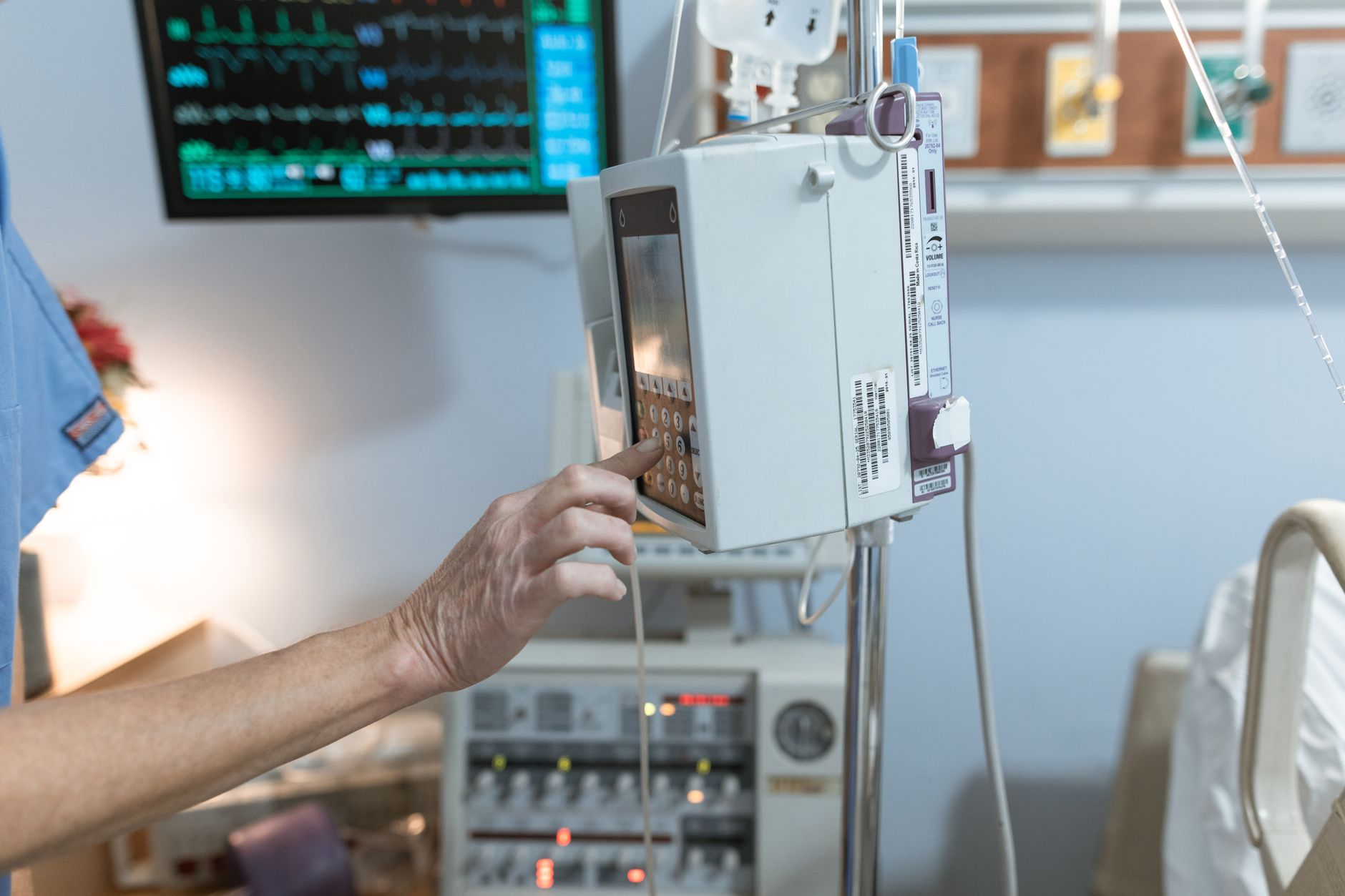
When Airway, Breathing, and Circulation Actually Win: Practice Set A
Picture this: you have four patients that require your attention. One needs pain medication, the other needs a dressing change, the third suddenly goes out of breath with an oxygen saturation of 89% and the fourth is waiting for discharge instructions. Who do you see first?
If you picked the patient with the breathing difficulties, you are on the right track. That's because airway and breathing issues take precedence over non-life threatening needs.
The key to master airway breathing NCLEX prioritization questions is to always ask yourself "does the patient have a physiological need affecting oxygenation?" If it's a yes, ABCs always apply. However, if all patients are physiologically stable, you will need to use a different prioritization framework.
Here are some sample questions you can use to practice:
Question 1
You have 4 patients under your care. Which patient do you assess first?
A. Postoperative patient asking for more pain medication (pain 8/10)
B. A patient with chronic heart failure waiting to be discharged for teaching
C. A patient with pneumonia with a fall in oxygen saturation from 96% to 90% on room air
D. Patient waiting for scheduled dressing change
Answer: C
Rationale: The patient with falling oxygen saturation has a true breathing problem that is a threat to oxygenation. The other patients are stable and can safely wait.
Question 2
A patient receiving an IV antibiotic suddenly develops stridor, difficulty speaking and obvious respiratory distress.
What is your FIRST nursing intervention?
A. Contact the health care provider.
B. Document patient’s symptoms.
C. Administer oxygen and summon emergency response.
D. Reassure patient and continue to monitor.
Answer: C
Rationale : Stridor suggests possible airway obstruction. Securing oxygenation and obtaining immediate assistance take priority before documentation or provider notification.
Question 3
A patient admitted with pneumonia suddenly becomes increasingly short of breath..
Assessment results:
Oxygen saturation 88 percent
Respiratory rate: 32/min.
Wheezing that can be heard
Pulse: 118/min
Patient seems anxious
Identify all appropriate initial nursing actions.
☐ Administer supplemental oxygen. ✅
☐ Elevate the head of the bed. ✅
☐ Encourage the patient to walk in the hallway.
☐ Notify healthcare provider.✅
☐ Reassess oxygen saturation post interventions. ✅
Rationale: The patient shows signs of acute respiratory distress. Oxygenation is the priority, notify the provider, and evaluate the patient's response. Ambulation increases oxygen demand and is unsuitable in an unstable patient.
Maslow and Psychosocial Priority: Practice Set
When using the Maslow framework, you might assume that all physiological issues come before psychosocial issues. However, on the NCLEX you might prioritize a patient with a psychological need over one with a physical one. For example, you should attend to a patient expressing suicidal thoughts over one with mild nausea. This is because the one with suicidal though expresses an immediate safety concern.
So, the key rule to answering NCLEX prioritization questions involving Maslow is to ask yourself, "which patient is at a higher risk if I don't act immediately?" If a psychosocial issue poses a greater risk, solve it first.
Below are some sample questions, testing this framework:
Question 1
You are given four stable patients. Which patient should you see first?
A. A patient who requests medication for mild nausea.
B. A patient who says, ” I don’t think life is worth living anymore.
C. A patient asking, "When is breakfast?"
D. Patient with chronic knee pain, rated 4/10.
Answer: B.
Rationale : All four patients are physiologically stable, but the patient with suicidal thoughts is at immediate safety risk.
Question 2
A nurse is reviewing patient concerns expressed on the unit. Identify all that should be considered as priority concerns for immediate nursing follow-up.
A patient who complains of mild constipation for 2 days
The patient says, "I don't want to be a burden to my family any more."
A patient requesting an extra blanket
A patient who is withdrawn and has stopped eating since a recent diagnosis
Patient asking when the next meal is served
Correct answers: B, D
Rationale: Hopelessness, feeling like a burden, withdrawing, and refusing to eat after a difficult diagnosis are all psychosocial safety issues that need immediate follow-up. The other choices are routine comfort needs, not priority concerns.

Multi-Patient Prioritization: Practice Set
Multi-patient NCLEX prioritization questions do not test whether you can identify serious conditions. They test your ability to identify the patient who needs your attention first.
If you face this type of question, run through this check first:
Has any patient had an acute change? Look for words like suddenly, new onset, decreased, worsening, confused, dropping, bleeding, short of breath.The priority is often an unexpected change from the patient’s baseline.
Who is most likely to deteriorate if I don’t do something now? If no one has an acute change, choose the one with the highest risk of deterioration. For example, a post-op patient or one with unstable signs.
Is there an immediate safety threat? A patient at risk for falling, self-harm or other serious injury may take precedence over a stable patient with routine care needs.
If all patients are stable, which nursing need is most time sensitive? This may include medications, assessments or treatments that cannot be delayed.
Below are sample questions testing this concept.
Question 1
A nurse starts a shift with 4 patients assigned. Which patient should the nurse assess first? Use the following information:
A patient 3 days post-op from a hip replacement, reporting 6/10 incisional pain, consistent with their expected recovery
A patient 1 hour post-op from abdominal surgery with decreased urine output of 15 mL in the past hour
A patient with stable vital signs who is requesting a meal tray
A patient who is scheduled for discharge teaching later in the shift
Correct Answer: B
Rationale: This patient has an unexpected acute change. A urine output of 15 mL/hour one hour after surgery may represent poor perfusion or a postoperative complication and must be assessed immediately.
Question 2
Rank the following four patients in order of priority, from first to last.
Patient 1: Reports anxiety regarding a procedure scheduled for the next day; vital signs stable
Patient 2: 2 hours post op new confusion, BP drop from 130/80 to 96/58
Patient 3:3 days post-op, walking independently, requests pain meds for pain 4/10
Patient 4: diagnosed with early-stage diabetes, asking general questions about insulin storage.
Correct sequence: Patient 2, Patient 3, Patient 4, Patient 1
Rationale: Priority is Patient 2 due to acute post-op complication in the form of new confusion and falling blood pressure. Next is Patient 3, because pain must be controlled in a timely manner but is expected during recovery. Patient 1's anxiety is important but not urgent. Patient 4's education can wait.
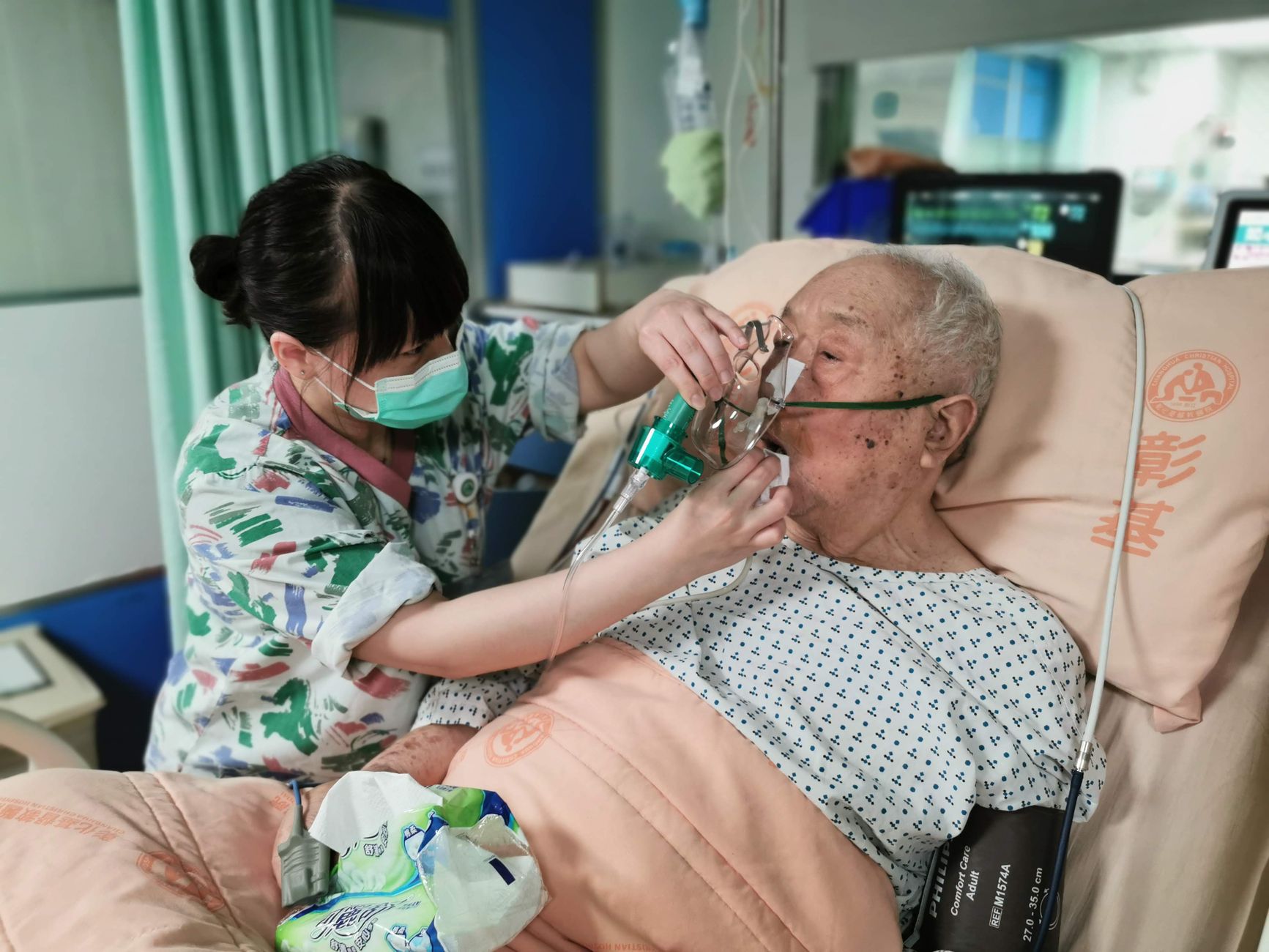
The Assessment-vs.-Intervention Trap
Do you know that sometimes NCLEX can use one of its rules to trick you? It does this by exploiting one of the rules you learn in nursing school; always assess before you intervene. NCLEX uses this rule against you by tempting you to delay a critical, life saving action while gathering more data.
With practice, you can spot this trap because it follows a predictable pattern. Here are four tips to help you escape this trap:
Determine if the question is asking you to assess or intervene. Assessment is gathering more information, intervention means taking action.
Assess the stability of the patient. Stable patients usually require assessment first. If the patient is in an airway/breathing/circulation emergency, intervene immediately.
Ask yourself, if you already know the problem. If the cause is clear, you can intervene. If it's not clear, assess first.
Ask yourself "Does waiting for an assessment put the patient at risk?" If a delay in treatment may harm the patient, proceed with the intervention instead of further assessment.
Below are sample questions to help you practice.
Question 1
A patient has an oxygen saturation of 86% and is using accessory muscles to breathe. What does the nurse do first?
Auscultate breath sounds to determine the cause of
Give supplemental oxygen
Document the find and continue rounds
Request the patient to describe their symptoms
Correct answer: B
Rationale: The patient has known respiratory compromise so the priority is to intervene immediately. Any further evaluation would delay treatment.
Question 2
A patient says,"I feel like I can't catch my breath." Vital signs not yet obtained. What is the nurse’s first action?
A) Provide more oxygen
B) Assess the patient’s respiratory rate and oxygen saturation
C) Report the provider immediately
D) Position the patient in high Fowler's position
Correct answer: B
Rationale: The problem is unconfirmed. So, the nurse should assess first, before deciding on the intervention to be implemented.
Written by · Verified educator
Testavia editorial
Nathan Cole
RN
Medical-Surgical nurse & health writer
Meet Nathan, a registered nurse with over five years of experience in Medical-Surgical care, based in New York City. Having worked with a wide range of patients through some of their most vulnerable moments, Nathan brings a grounded, real-world perspective to his writing on healthcare. His goal is simple: to bridge the gap between medical knowledge and everyday understanding, making health topics feel less intimidating and more empowering for everyone. When he's not caring for patients, Nathan channels his passion for medicine into writing that educates, comforts and inspires.
5+
Years in Med-Surg
Medical-Surgical
Specialty
New York City
Based in