CNM: What a Certified Nurse-Midwife Does and How to Become One
A Certified Nurse-Midwife is an RN with graduate midwifery education who independently manages low-risk pregnancy, labor, delivery and postpartum care, plus routine gynecological services. Here is what the role involves day to day, the six-step route in, and how a CNM differs from an L&D nurse, an OB-GYN and a CPM.
Editorial
Last reviewed · July 22, 2026
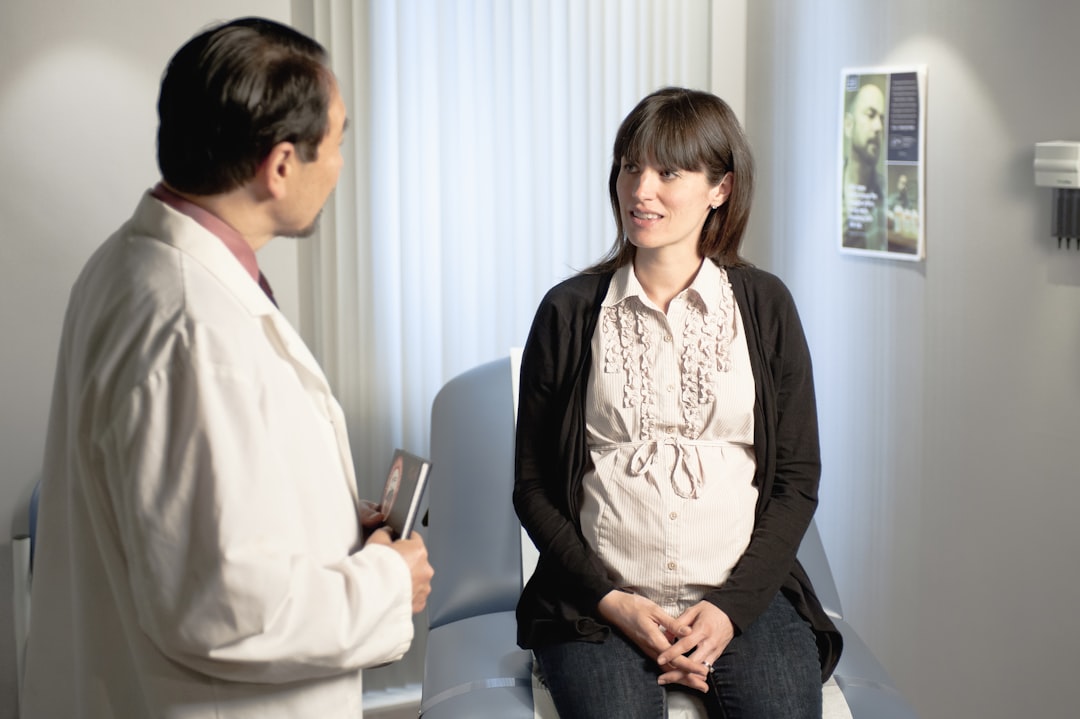
About 3.6 million babies are born in the US each year — roughly 10,000 births a day. A meaningful share of those deliveries are attended by Certified Nurse-Midwives.
Midwives do considerably more than catch babies. They provide prenatal care, monitor both mother and baby through pregnancy, manage labor and delivery, deliver postpartum care, and provide routine gynecological and reproductive health services. This guide covers what a CNM actually does day to day, and the route into the role.
Who is a Certified Nurse-Midwife (CNM)?
A Certified Nurse-Midwife is a registered nurse who has completed graduate education in midwifery and passed national certification through the American College of Nurse-Midwives. Unlike a staff RN, a CNM can independently manage a patient through labor, delivery, and the postpartum period in low-risk pregnancies, and can provide general gynecological and reproductive health care alongside it.
One appeal of the credential is that it does not tie you to a single setting. Common workplaces include:
Hospitals — the most common setting, caring for patients through labor, delivery, and postpartum.
Private practice — working alongside OB/GYNs or in midwife-led clinics providing routine care before, during, and after pregnancy.
Birth centers — standalone facilities for patients who prefer not to give birth in a hospital.
Home births — attending low-risk deliveries in a patient's own home.
Universities — teaching and research roles.
What does a CNM do?
A CNM's clinical work divides into four areas: prenatal care, labor and birth, postpartum care, and routine gynecological services. The through-line is that they hold independent responsibility for low-risk patients and escalate to an OB-GYN when a pregnancy stops being low-risk.
Prenatal care
A CNM monitors how mother and baby are progressing through pregnancy — blood pressure, weight, fundal height, lab results, and the screenings appropriate to each stage. They also watch for warning signs. If complications develop, the pregnancy is reclassified as high-risk and care is referred to an OB-GYN.
Prenatal care extends well beyond the clinical checklist. CNMs routinely field the questions patients are embarrassed to ask anyone else: why the body is changing this much, whether it will return to normal, whether a given symptom is normal, and what labor will actually be like.
Labor and birth
Once labor begins, the CNM is responsible for a safe delivery. They monitor contractions and fetal heart rate, track the progress of labor, and manage pain — whether through an epidural, IV medication, or, for patients who want an unmedicated birth, breathing and positioning support.
When the patient is fully dilated, the CNM manages the birth itself, coaching pushing to reduce tearing and deliver safely. If complications appear, they bring in an OB-GYN to assess.
Postpartum care
After delivery the CNM continues monitoring for complications: bleeding, uterine tone, blood pressure. Beyond the physical checks, they teach breastfeeding, safe handling of the newborn, and which warning signs warrant urgent medical attention.
Routine gynecological services
CNM practice is not limited to pregnancy. They perform wellness exams including Pap smears and breast exams, and counsel patients on the contraceptive method that best fits their circumstances.
They also support patients through perimenopause, managing hormonal symptoms — and, again, answering the questions patients find difficult to raise elsewhere.
How to become a CNM
The route runs through an RN license, clinical experience, an accredited graduate midwifery program, national certification with the AMCB, and state APRN licensure. Expect the graduate stage alone to take two to three years depending on whether you pursue an MSN or a DNP.
Earn your nursing degree. Most nurse-midwifery programs prefer a Bachelor of Science in Nursing over an Associate Degree in Nursing. See our guide to the quickest way to become a registered nurse for the options.
Pass the NCLEX-RN. This is mandatory regardless of which nursing path you take. If you are preparing now, our guide on how to study for the NCLEX covers building a plan.
Gain clinical experience. Most midwifery programs expect around two years of RN experience in labor and delivery, women's health, or a maternal-newborn setting. Requirements vary — some programs admit without prior experience.
Complete an accredited nurse-midwifery program. You will enroll in either an MSN or a DNP. If your goal is clinical practice, the MSN is faster and less expensive. If you are aiming at leadership, teaching, or policy work, the DNP fits better — and nursing education bodies have pushed the DNP as the expected entry level for advanced practice. Our explainer on what a DNP is compares the two.
Pass the AMCB exam. Certification is administered by the American Midwifery Certification Board, and passing it demonstrates you meet the national standard to practice.
Obtain state licensure. Apply for advanced practice licensure in the state where you intend to work. Scope varies: some states grant independent authority, others require a formal collaborative agreement with a physician.
Nurse-midwife salary and outlook
Certified Nurse-Midwifery is a well-compensated advanced practice role with strong projected demand, but be careful with the salary figures you find online, because most quote the wrong one. The nurse-midwife median was $128,790 in May 2024. The figure you will see repeated far more often, $132,050, belongs to a combined occupational group that nurse practitioners dominate.
The Bureau of Labor Statistics reports nurse-midwives inside a combined occupational group alongside nurse practitioners and nurse anesthetists. That group's headline median was $132,050 in May 2024, but nurse practitioners vastly outnumber the other two roles, so the combined figure is effectively an NP number. The nurse-midwife-specific median is lower: $128,790 in May 2024, according to the BLS Occupational Outlook Handbook.
That distinction matters when you compare offers. A site quoting "$132,050 for nurse-midwives" is quoting the group, not the role. Actual pay also varies with location, years of experience, and practice setting, so treat any national median as a midpoint rather than an expectation. For a sense of the adjacent advanced-practice market, see our breakdown of nurse practitioner salary.
CNM vs L&D nurse vs OB-GYN vs CPM
These four roles are easily confused because they all appear around birth, but their training and authority differ sharply. A CNM is an advanced practice nurse who independently manages low-risk pregnancy and delivery. An L&D nurse is an RN who supports labor at the bedside under the direction of a physician or midwife rather than leading care. An OB-GYN is a physician trained to manage both routine and high-risk pregnancies, including surgical delivery. A CPM is not a nurse at all — it is a separate credential focused on out-of-hospital birth that does not require a nursing license.
Role | Nurse? | Education | Scope | Typical setting |
|---|---|---|---|---|
CNM | Yes (RN) | Graduate degree (MSN/DNP) in midwifery, plus RN license | Independently manages low-risk pregnancy, birth, and women's health care | Hospitals, birth centers, home births, clinics |
L&D nurse | Yes (RN) | ADN or BSN | Supports labor and delivery under physician or midwife direction; does not lead care independently | Hospitals |
OB-GYN | No (physician) | Medical school plus residency | Manages routine and high-risk pregnancy, delivery, and surgical obstetric care | Hospitals, clinics |
CPM | No | Midwifery-specific training or apprenticeship, not a nursing degree | Manages low-risk, out-of-hospital birth | Home births, birth centers |
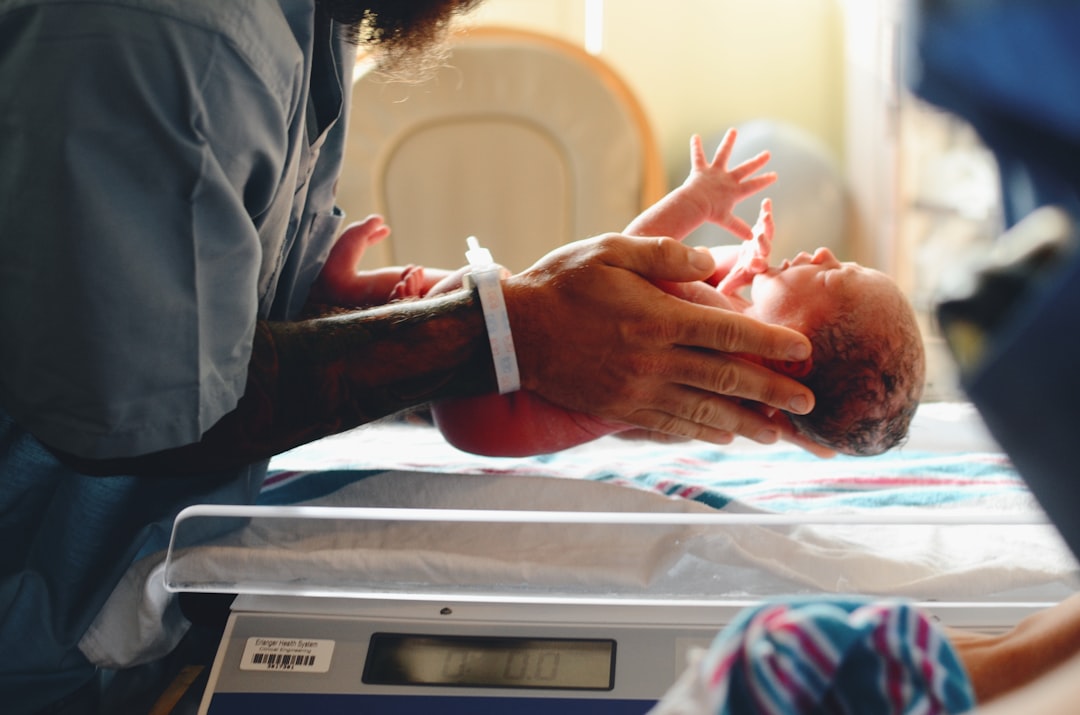
Is nurse-midwifery right for you?
Nobody can answer that for you, but midwifery rewards a fairly specific temperament, and it is worth testing yourself against it honestly before committing to a graduate program. The work combines long, unpredictable hours with sustained emotional proximity to patients at a vulnerable moment, and independent clinical responsibility for two patients at once. Five traits matter more than academic ability.
High empathy. You are working with people at a genuinely vulnerable moment — in pain, often frightened, sometimes without any support at home.
Patience. Labor moves at a different pace for every patient. Some labor for hours with little progress; others dilate quickly. Nobody should feel rushed because their labor is taking longer.
Calm under pressure. Labor changes fast. A fetal heart rate drops, or bleeding starts, and you need to act decisively without transmitting panic to the patient.
Cultural humility. Patients arrive with their own beliefs about birth, pain management, and who belongs in the room. Respecting that is part of the job.
Confidence in your clinical judgment. When a situation shifts quickly there is no time to second-guess yourself.
Written by · Verified educator
Testavia editorial
Nathan Cole
RN
Medical-Surgical nurse & health writer
Meet Nathan, a registered nurse with over five years of experience in Medical-Surgical care, based in New York City. Having worked with a wide range of patients through some of their most vulnerable moments, Nathan brings a grounded, real-world perspective to his writing on healthcare. His goal is simple: to bridge the gap between medical knowledge and everyday understanding, making health topics feel less intimidating and more empowering for everyone. When he's not caring for patients, Nathan channels his passion for medicine into writing that educates, comforts and inspires.
5+
Years in Med-Surg
Medical-Surgical
Specialty
New York City
Based in