CRNA: What a Nurse Anesthetist Is and How to Become One
A Certified Registered Nurse Anesthetist is an advanced practice registered nurse who administers anesthesia and monitors patients before, during and after surgery. It is the highest-paid nursing specialty, and the path runs BSN, RN licensure, at least a year of critical care, then a doctoral program.
Editorial
Last reviewed · August 8, 2026
Medically reviewed
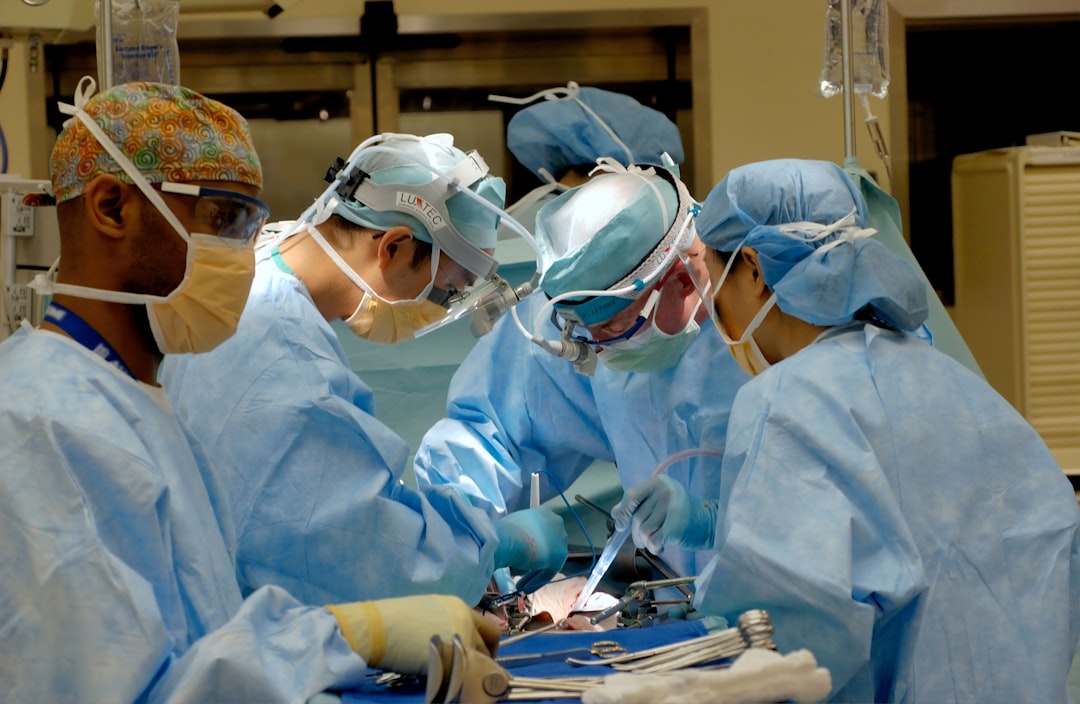
Have you been working in a critical care setting and found yourself wanting more? More autonomy, responsibility, and an opportunity to have a bigger impact on patient care. If this sounds familiar, you should take the next step in your career and become a Certified Registered Nurse Anesthetist (CRNA).
CRNAs are some of the most skilled and highest-paid nurses. They administer anesthesia and monitor patients before, during, and after surgery. They also work with surgeons, anesthetists, and other healthcare providers to ensure patients receive safe, high-quality care. However, this title does not come so easily. It requires years of education, hands-on clinical experience, and advanced training. Keep reading to know what a CRNA actually does and what the path to becoming one looks like!
What is a CRNA (Certified Registered Nurse Anesthetist)?
A Certified Registered Nurse Anesthetist (CRNA) is an advanced practice registered nurse who administers anesthesia and cares for patients before, during, and after medical procedures. They look after patients of all ages and work in places like operating rooms, labor and delivery units, emergency departments, outpatient surgery centers, and pain management clinics. Due to their extensive education and specialized training, CRNAs play a bigger role in patient care than RNs.
For instance, their level of responsibility often depends on where they practice. In some healthcare facilities, CRNAs administer anesthesia and make patient care decisions on their own (Full Autonomous Practice). In others, they work closely with anesthesiologists or surgeons, consulting them when needed ( Collaborative Practice). In many rural and underserved communities, CRNAs may even be the only anesthesia providers available, taking full responsibility for their patients' anesthesia care( Solo Practice).
What does a CRNA do? (Settings and Responsibilities)
A CRNA delivers anesthesia care across the whole perioperative arc: assessing the patient beforehand, selecting and administering the anesthetic, monitoring every vital sign while the procedure runs, and managing emergence and pain control afterwards. Where they do that work ranges from hospital operating rooms to labor and delivery units, outpatient surgery centers and pain-management clinics.
Some of the key responsibilities of a CRNA include:
Pre-anesthesia assessment. They check the patient's medical history, allergies, medications, and test results to determine the safest type of anesthesia to use.
Anesthesia administration. CRNAs administer different types of anesthesia, such as general, regional, local, and sedation.
Vital sign monitoring. During medical procedures, CRNAs keep monitoring the heart rate, blood pressure, oxygen level, breathing, and other vital signs. If something changes, they act fast to keep the patient stable.
Airway management. They ensure that the patient breathes safely under anesthesia. They do this by placing breathing tubes, managing ventilators, or using other devices to support the airway when needed.
Post-operative care. When the procedure is done, the CRNA monitors the patient as the anesthesia wears off. They also handle pain management and watch out for side effects like nausea, vomiting, and breathing problems.
CRNAs are not limited to one kind of setting; they show up all over the healthcare world, including;
Hospital operating rooms
Labor and delivery units
Ambulatory (outpatient) surgery centers
Critical access and rural hospitals
Emergency departments
Pain management clinics
Military and Veterans Affairs (VA) healthcare facilities
Physician and dental offices where anesthesia services are provided
Academic medical centers
Specialty surgical hospitals
How to become a CRNA (the full path)
Becoming a CRNA takes time, but each stage gives you the skills and confidence you’ll need for this role. You start by building a strong nursing foundation. Then, gain experience by caring for critically ill patients. After that, you move on to advanced anesthesia training. Here’s how the journey unfolds:
Earn your nursing degree. Most institutions prefer candidates with a Bachelor of Science in Nursing degree (BSN). However, you can check the admission requirements of the CRNA program you’re interested in, as some may accept other qualifying degrees.
Become a licensed RN. No matter which speciality you want to work in, you must pass the NCLEX-RN exam to become a registered nurse. That's why many nursing students rely on resources like Testavia’s NCLEX-RN prep to make sure they walk in ready for the exam.
Gain critical care experience. This step is non-negotiable. COA-accredited programs require you to have at least one year of full-time critical care experience as an RN. That's how you develop skills like ventilator management, hemodynamic monitoring, and medication administration while working in the ICU. When you become a CRNA, the skills you use are important when managing a patient's airway, vital signs, and response to anesthesia.
Complete a nurse anesthesia doctoral program. Earn a Doctor of Nursing Practice (DNP) or Doctor of Nurse Anesthesia Practice (DNAP) through an accredited nurse anesthesia program. You should also check with the program you’re applying to for its minimum requirements, as admission requirements can vary between schools.
Pass the certification exam. The exam is administered by the National Board of Certification and Recertification for Nurse Anesthetists (NBCRNA). It tests everything you’ve learnt in school from pharmacology, anesthesia principles, patient safety, and clinical decision making. When you pass, you earn the CRNA credential.
Obtain state licensure. The last step is to apply for state licensure to practice as an advanced practice nurse in the state you want to work in. After you meet your certification and state requirements, you’re set to start your career as a CRNA.

CRNA salary and job outlook
You’re probably asking yourself, " Is a CRNA career worth it?” Will the tuition you pay off actually? It's a fair question, especially if you look into the years you’ll be spending in the ICU experience and doctoral program before you can start working as a CRNA. The answer is yes, it's worth it, and the CRNA salary makes a strong case.
CRNA is the highest-paying nurse specialty. According to the Bureau of Labor Statistics, the median annual wage for nurse anesthetists, nurse midwives, and nurse practitioners was $132,050. Although this figure combines all three advanced practice roles, CRNAs and their APRN peers earn way more than the average nurse.
The job outlook is also promising. The BLS expects jobs for these advanced nurses to grow by 35% between 2024 and 2034, which is way faster than the average for all occupations. It also projects 32,000 new job openings each year, mainly because of retiring nurses or those moving out of the field, and growing demand for CRNAs. Also, the rise in surgical volume and growing demand in rural and underserved areas is pushing the numbers higher. This means CRNAs entering this field are entering a competitive market, and it's not likely to change anytime soon.
Written by · Verified educator
Testavia editorial
Nathan Cole
RN
Medical-Surgical nurse & health writer
Meet Nathan, a registered nurse with over five years of experience in Medical-Surgical care, based in New York City. Having worked with a wide range of patients through some of their most vulnerable moments, Nathan brings a grounded, real-world perspective to his writing on healthcare. His goal is simple: to bridge the gap between medical knowledge and everyday understanding, making health topics feel less intimidating and more empowering for everyone. When he's not caring for patients, Nathan channels his passion for medicine into writing that educates, comforts and inspires.
5+
Years in Med-Surg
Medical-Surgical
Specialty
New York City
Based in