ICU Nurse: What Critical-Care Nursing Involves and How to Become One
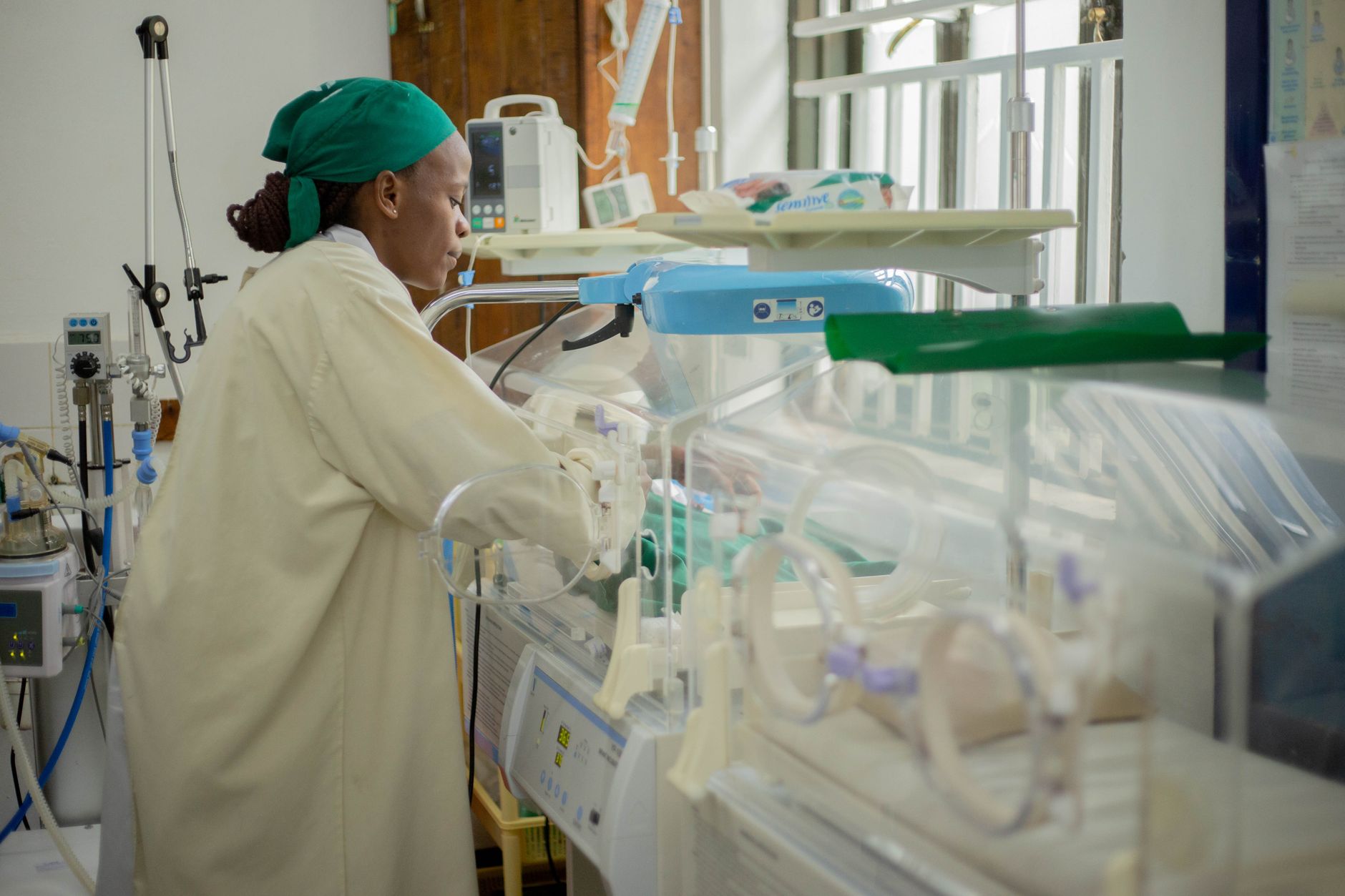
Critical-care nursing means caring for patients who often cannot tell you what has changed, so you work from monitors, trends and your own assessment. Here is what the role involves across MICU, SICU, CICU and trauma units, what CCRN requires, and what the salary data actually supports.
Editorial
Last reviewed · July 4, 2026
Medically reviewed
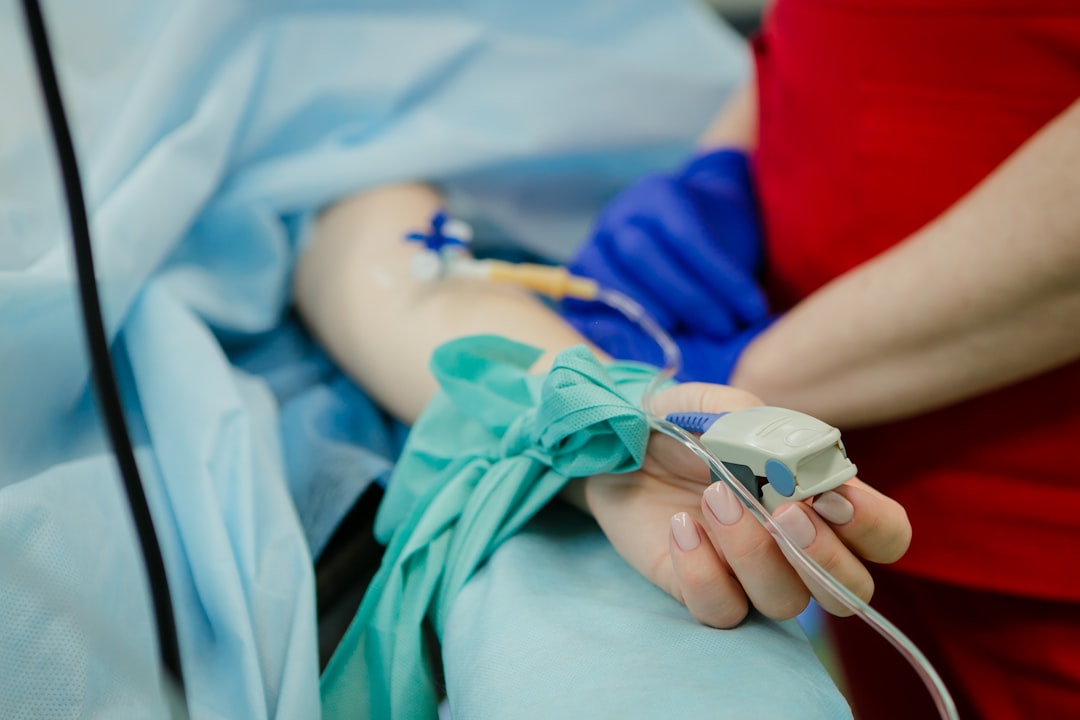
An ICU nurse cares for patients who often cannot say what has changed since the last check. Sedated, intubated or too weak to speak, they leave you working from monitors, trends and your own assessment to decide whether treatment is working.
That is the defining feature of critical care. The patient ratio is one or two, the data volume is high, and small changes matter because in an unstable patient they are frequently the first sign of something serious. It asks for clinical skill, but it also asks for emotional durability and the ability to think clearly when a situation deteriorates quickly.
This guide covers what the work involves, the units you can work in, how to qualify, what the pay actually looks like, and how to judge whether the specialty suits you.
What is an ICU (critical-care) nurse?
A critical-care nurse looks after patients with unstable or life-threatening conditions, in units where continuous monitoring is the standard of care rather than an escalation. The American Association of Critical-Care Nurses publishes staffing standards reflecting that intensity, and assignments are typically one or two patients.
"ICU nurse" is an umbrella term. The unit determines the patient population, the equipment and much of the day-to-day work.
Unit | Patient population | Where you'll find it |
|---|---|---|
Medical ICU (MICU) | Adults with severe non-surgical illness: sepsis, respiratory failure, multi-organ dysfunction | General hospitals |
Surgical ICU (SICU) | Patients recovering from major surgery or trauma, monitored for post-operative complications | Hospitals and surgical centers |
Cardiac ICU (CICU/CCU) | Serious cardiac conditions including myocardial infarction, arrhythmias and heart failure | Hospitals with cardiac care units |
Premature or critically ill newborns | Children's hospitals and hospitals with neonatal units | |
Pediatric ICU (PICU) | Critically ill infants, children and adolescents | Children's hospitals and hospitals with pediatric units |
Trauma ICU | Severe life-threatening injuries, often from collisions or violence | Level I and II trauma centers |
Neuro ICU | Stroke, brain injury and post-neurosurgical patients | Hospitals with neurosurgical units |
What does an ICU nurse do?
The job is continuous assessment punctuated by intervention. You are watching a patient closely enough to catch deterioration before it becomes an emergency, and you are equipped to act when it does. Four areas make up most of the work.
Monitoring
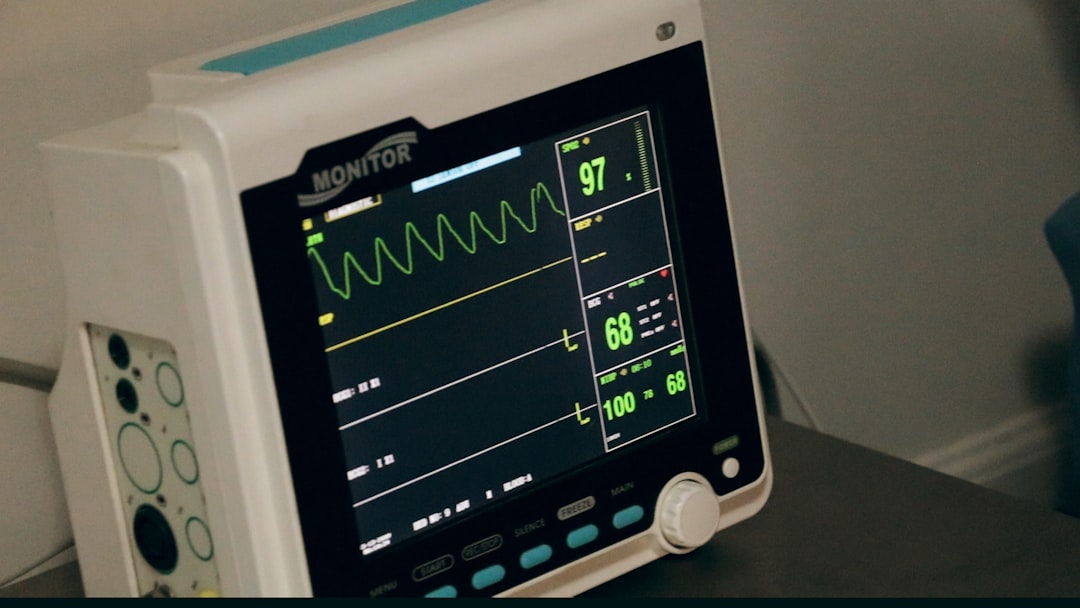
You track heart rate, blood pressure, oxygen saturation and temperature on bedside monitors, alongside cardiac rhythm, urine output, neurological status and ventilator settings. The skill is not reading the numbers, it is interpreting them: recognizing which change in which context indicates a patient is heading in the wrong direction, often before any single value looks alarming.
Treatments and procedures
Managing ventilators and airways, adjusting settings and assisting with intubation
Administering high-risk medications including vasopressors, sedatives and insulin infusions
Placing IV lines and drawing blood and laboratory samples
Monitoring life-support equipment such as dialysis machines and intra-aortic balloon pumps
Assisting in emergencies including CPR, defibrillation and rapid response
Wound care to prevent infection in patients whose immune reserve is already compromised
Much of this runs on protocols you are expected to know cold, which is why ACLS is a standard requirement rather than an optional credential in critical care.
Reporting and documentation
Handoff is a safety mechanism, not administration. Documentation carries the trend information the next nurse needs to know where to start, and an omission or an error propagates into delayed treatment or a medication given wrongly. In a unit where the patient cannot correct you, the record is a large part of the continuity.
Patient and family communication
The interpersonal load is heavier than people expect. You update physicians on changes, and you speak with families, translating a clinical picture into plain language without making it sound better or worse than it is. Sometimes that means sitting with a family through the death of a patient.
For patients who cannot speak for themselves, the nurse is often the only advocate present: noticing discomfort nobody else registers, or saying the patient's name and explaining what is about to happen, without any way to know whether it registers.
How to become an ICU nurse
There is no separate ICU license. You qualify as a registered nurse first, then enter the specialty, either straight out of school through a new-graduate residency or by transferring in from another unit. Three steps are required and a fourth is optional but strongly rewarded. The whole sequence typically runs two to four years from starting a nursing program to sitting for CCRN, since the certification itself requires bedside hours you can only accumulate once you are already working in critical care.
Earn a nursing degree. Complete an accredited BSN or ADN. Both lead to licensure, though most critical-care employers prefer a BSN and some require it.
Pass the NCLEX-RN and obtain licensure in the state where you intend to practice. This is the gate that turns a degree into a license.
Enter a critical-care unit, either through a new-graduate residency or by transferring in. Employers commonly expect BLS and ACLS on hire.
Certify, optionally. The CCRN credential from the AACN is the recognized marker of critical-care competence and is not required to work in the ICU.
ICU nurse salary and outlook
The honest answer is that there is no federal ICU nurse salary, because the government does not track the specialty separately. The U.S. Bureau of Labor Statistics reports a median annual wage of $93,600 for registered nurses as of May 2024, with the lowest 10% under $66,030 and the highest 10% above $135,320. Employment is projected to grow 5% from 2024 to 2034, against 3% across all occupations, with roughly 189,000 openings a year.
For an ICU-specific figure you have to fall back on job-board aggregates, which are self-reported and considerably less reliable than federal data. ZipRecruiter puts the ICU nurse average near $85,205 a year, or about $40.96 an hour, with most between $52,000 and $102,000 and experienced nurses up to around $143,000. Treat that as directional only: it is not a government statistic, and it sits below the BLS all-RN median, which should tell you how much weight the sample can bear.
What genuinely moves ICU pay is location, years of experience, certification, and shift differential. Nights, weekends and on-call in a high-acuity unit are a larger factor than the specialty label itself.
CCRN certification and where ICU leads
CCRN stands for Critical Care Registered Nurse, a certification from the American Association of Critical-Care Nurses evidencing advanced knowledge in caring for acutely and critically ill patients. It is the recognized credential in the specialty, it is not required to hold an ICU post, and it is the single clearest signal to an employer that your critical-care experience is real rather than incidental. It is also the point at which the specialty starts opening doors outside the unit, because most of the advanced roles that follow treat it as a baseline expectation rather than a distinction.
Eligibility requires an active RN or APRN license and 1,750 hours of direct bedside care of critically ill patients, and the exam covers cardiovascular, pulmonary, neurological, endocrine and multisystem content. It is not required to work in the ICU, but it carries real advantages: stronger earning potential, better travel-nursing options, a competitive edge in hiring, and professional credibility. Our CCRN practice questions guide covers why NCLEX-style drilling prepares you poorly for it.
Critical-care experience plus CCRN opens a specific set of doors:
Advanced practice, including Certified Registered Nurse Anesthetist (CRNA) and Acute Care Nurse Practitioner
Flight and transport nursing
Rapid response teams
Tele-critical care (eICU), monitoring ICU patients remotely and supporting bedside teams across multiple hospitals
Leadership and education: clinical nurse educator, unit manager, clinical nurse specialist
Is ICU nursing right for you?
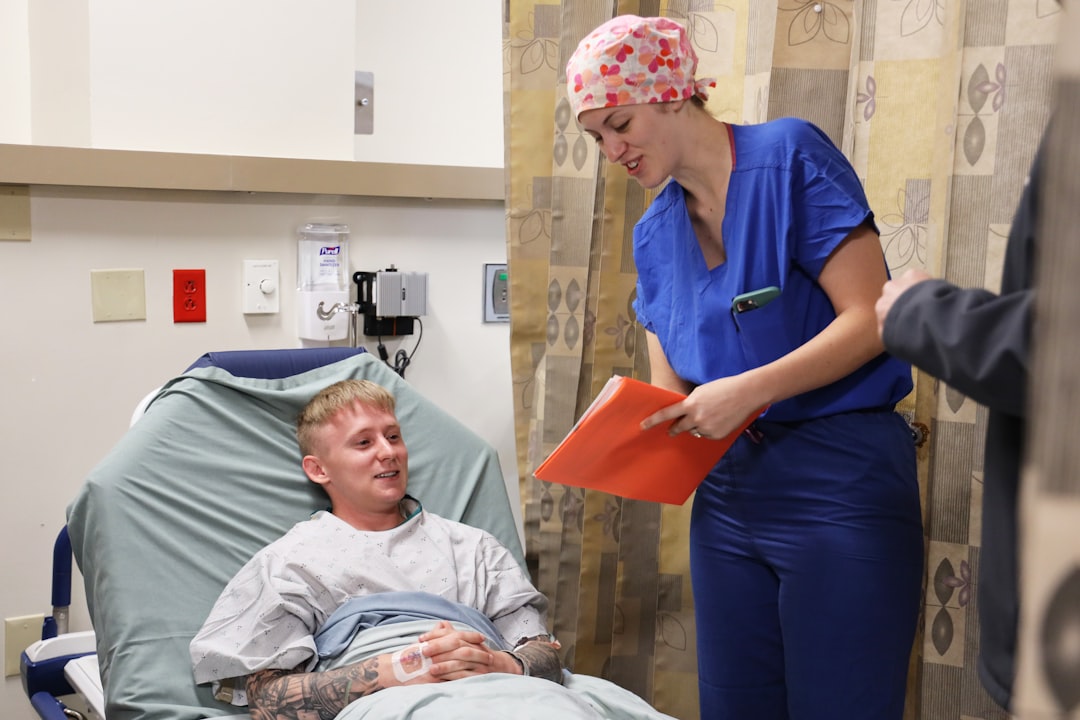
Critical care suits a narrower range of people than most nursing specialties, and the way to find out is exposure rather than reflection. Shadow an ICU shift, or take an ICU rotation during clinicals if your program allows it. That said, four traits reliably separate nurses who sustain this work from those who burn out of it.
Emotional durability. You may see patients deteriorate and die more than once in a week, offer genuine comfort to a family, and then go to your next patient. Processing that deliberately, through debriefing or peer support, is what makes the job survivable long-term.
Communication discipline. Small changes have to reach the right person quickly. A delay in communicating a subtle trend is a clinical event, not a courtesy failure.
Genuine multitasking. Patients are frequently on multiple infusions, several monitors and a ventilator simultaneously, and all of it needs tracking at once.
Attention to detail. The skill the specialty is built on: noticing the small change that indicates the large problem.
Nurses drawn to acuity but not to this level of continuous monitoring sometimes find emergency nursing or post-anesthesia care a better fit.
Written by · Verified educator
Testavia editorial
Nathan Cole
RN
Medical-Surgical nurse & health writer
Meet Nathan, a registered nurse with over five years of experience in Medical-Surgical care, based in New York City. Having worked with a wide range of patients through some of their most vulnerable moments, Nathan brings a grounded, real-world perspective to his writing on healthcare. His goal is simple: to bridge the gap between medical knowledge and everyday understanding, making health topics feel less intimidating and more empowering for everyone. When he's not caring for patients, Nathan channels his passion for medicine into writing that educates, comforts and inspires.
5+
Years in Med-Surg
Medical-Surgical
Specialty
New York City
Based in