PACU Nurse: What It Involves & How to Become One
A PACU nurse is a specialized critical-care nurse who cares for patients in the most fragile hours of surgical recovery, as anesthesia wears off. Here’s what post-anesthesia nursing involves, the acute-care experience it takes to get there, what it pays, and how the CPAN and CAPA certifications compare.
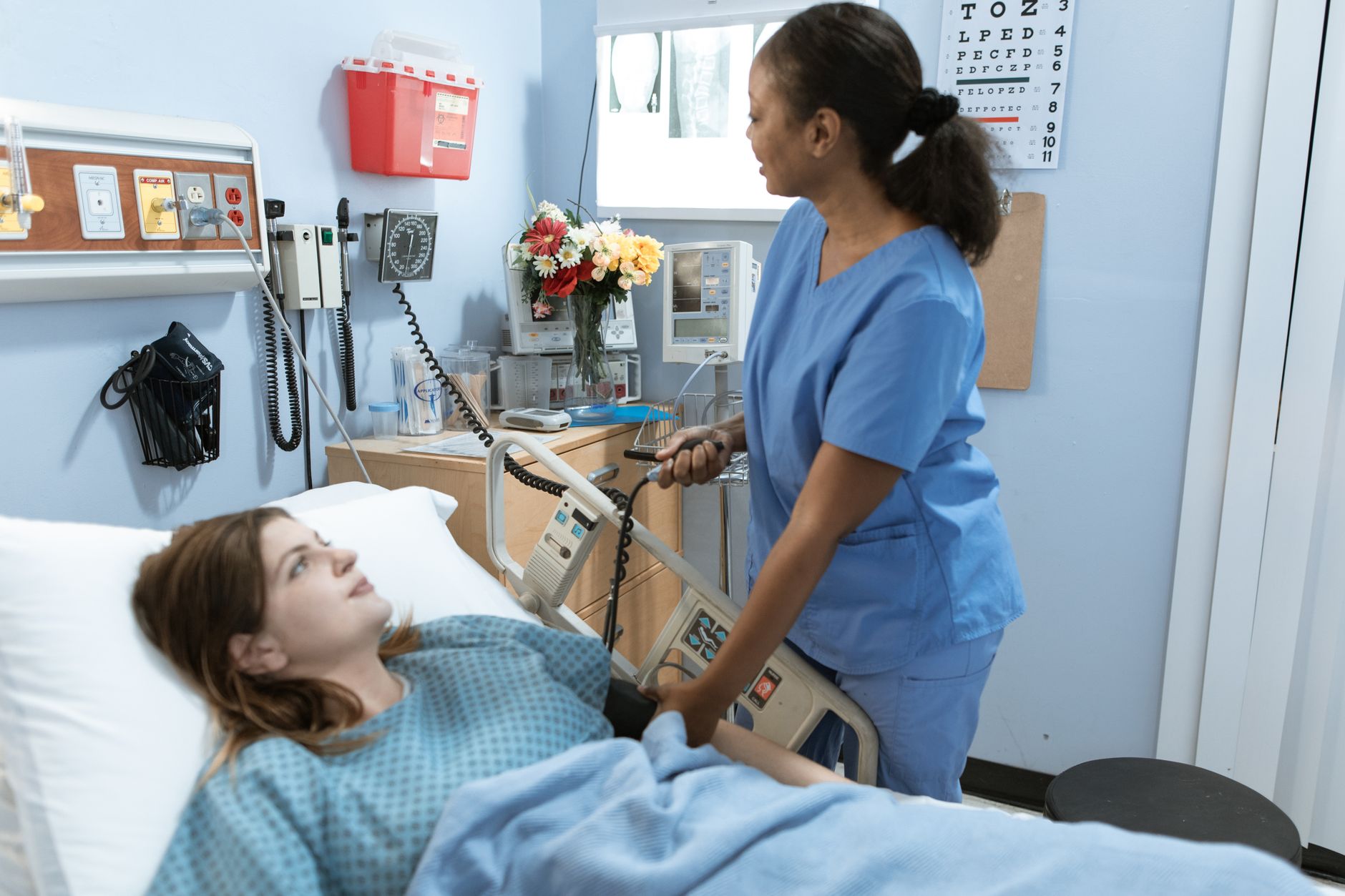
A PACU nurse is a specialized critical-care nurse who cares for patients through the most fragile hours of surgical recovery. This guide covers what post-anesthesia nursing involves, the steps to become one, what the job pays, the two perianesthesia certifications available, and how to tell whether it is the right path for you.
What is a PACU nurse?
PACU stands for Post-Anesthesia Care Unit — called the recovery room or perianesthesia care in some hospitals. It is where patients go directly after surgery, as the body returns to normal function and anesthesia wears off. A PACU nurse is a registered nurse with specialized training for this critical period, sitting at the intersection of critical care and surgical nursing. Patients usually arrive unconscious or heavily sedated, and the nurse monitors airway, vital signs, pain, and neurological status as they regain consciousness — sometimes within minutes of leaving the operating room.
Most PACU units operate in two phases. Phase I covers the immediate postoperative period, from OR arrival until the patient is stable enough for the next level of care. Phase II — used mainly in outpatient and ambulatory settings — takes patients through to discharge. Some PACU nurses work both phases; others specialize.
Phase | Setting | Patient status | Nurse’s focus |
|---|---|---|---|
Phase I (immediate) | Hospital PACU, OR-adjacent | Unconscious to minimally responsive | Airway, hemodynamics, pain, anesthesia-reversal monitoring |
Phase II (step-down) | Outpatient surgery center, same-day unit | Awake, stable, approaching discharge | Pain management, patient education, discharge-readiness assessment |
Because the margin for error during anesthesia recovery is so narrow, PACU nursing is not entry-level work — you will need acute- or critical-care experience before being hired, and some units require an ICU background specifically.
What does a PACU nurse do?
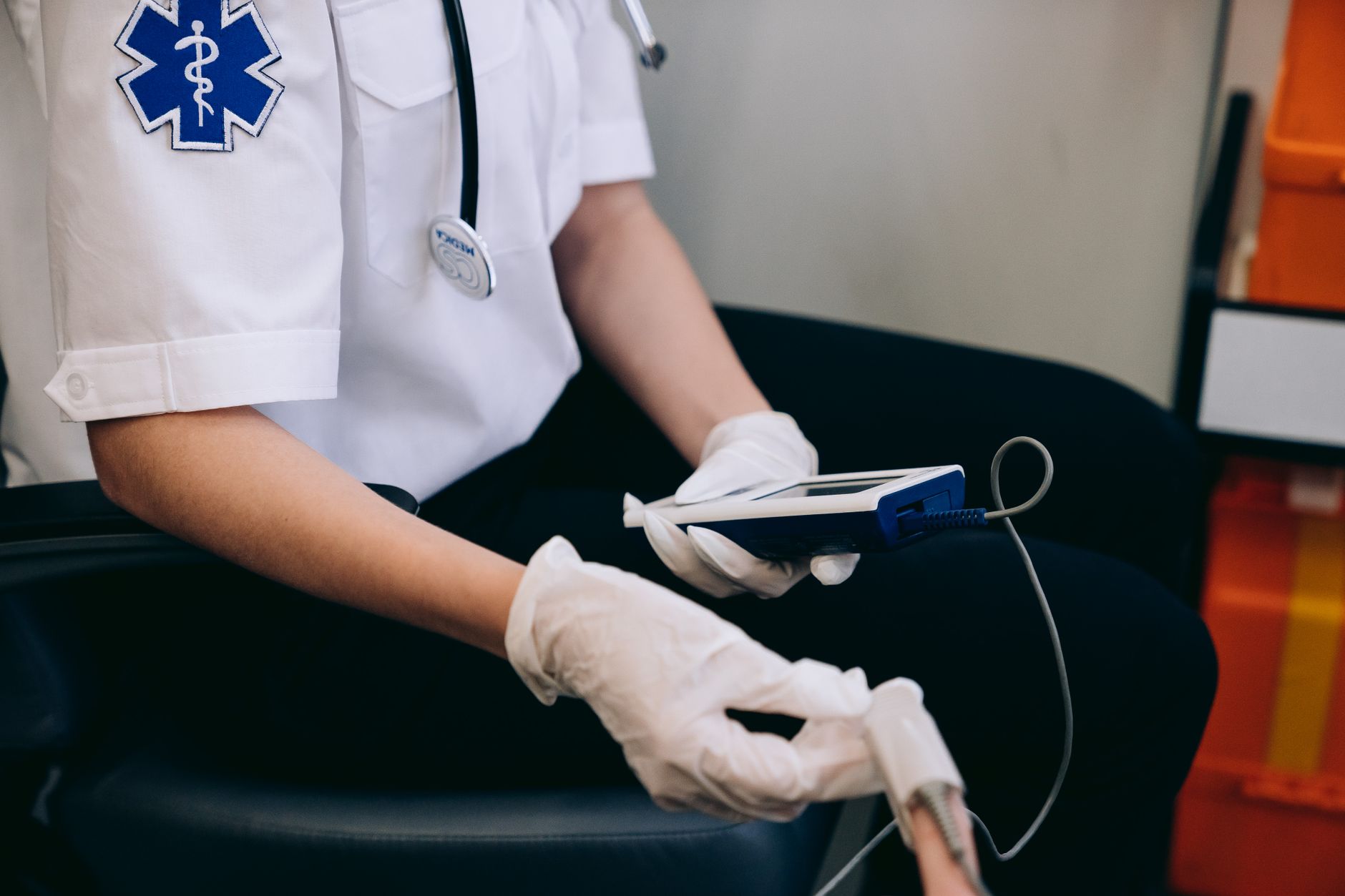
No two patients emerge from anesthesia the same way. A healthy 35-year-old after a routine procedure may recover in minutes; a patient in their seventies with comorbidities after a four-hour abdominal case is a very different situation. Core responsibilities:
Receiving handoff from anesthesia. Each patient arrives with a verbal report — procedure, anesthesia drugs, intraoperative events, medications, estimated blood loss, and concerns — that the nurse synthesizes into a care plan in seconds.
Continuous vital-sign monitoring. Blood pressure, heart rate, respiratory rate, oxygen saturation, temperature, and level of consciousness, on arrival and at intervals.
Airway management. Anesthesia depresses respiratory drive, so the nurse handles supplemental oxygen, suctioning, positioning, and emergency airway intervention if needed.
Pain and nausea management. Postoperative pain and nausea are among the most common complications; nurses give ordered analgesics and antiemetics, assess effect, and adjust within parameters.
Monitoring for complications. Hemorrhage, hypotension, hypertension, arrhythmias, delayed awakening, malignant hyperthermia, and anaphylaxis — trained to catch warning signs before they become emergencies.
Discharge assessment. Before transfer, the nurse confirms readiness with a structured tool like the Modified Aldrete Score (consciousness, activity, circulation, respiration, oxygen saturation).
Documentation and handoff. A structured handoff to the med-surg unit, ICU, or home ensures continuity of care.
How to become a PACU nurse
The path is sequential — formal education, high-acuity clinical experience, and specialized training:
Step | What’s required | Typical timeline |
|---|---|---|
1. Earn your RN license | Complete an ADN or BSN, then pass the NCLEX-RN | 2–4 years |
2. Build acute-care experience | Work in ICU, ED, cardiac care, or step-down to develop clinical foundations | 1–2 years minimum |
3. Obtain required certifications — BLS, ACLS, and PALS (for pediatric settings) | Most units require BLS and ACLS; PALS for pediatrics | Concurrent with experience |
4. Apply for PACU positions | Target hospitals and ambulatory surgical centers; some run formal PACU training for transitioning RNs | When experience threshold is met |
5. Pursue specialty certification | After 1,200 hours of perianesthesia practice in 2 years, sit for CPAN or CAPA through ABPANC | 1–2 years into the PACU role |
Why ICU experience is valued so highly
Most PACU postings list ICU experience as preferred, because ICU nurses develop hemodynamic assessment, invasive-line management, ventilator use, medication titration, and reflexive pattern recognition — exactly what PACU work demands. A nurse with two years in a cardiovascular ICU brings clinical insight a step-down nurse has not yet had the chance to develop. Emergency-department backgrounds are also valued, especially for airway skills. Building acute-care credentials like ACLS and BLS early makes you a stronger candidate. If you are still pursuing your RN license, Testavia’s NCLEX-RN prep resources build the clinical judgment that serves you in a high-acuity specialty like perianesthesia care.

PACU nurse salary, hours, and outlook
PACU salaries vary by source, region, staff-vs-travel status, and experience, but all sources agree the role pays competitively within the RN landscape and that travel positions push compensation higher. Per Salary.com (July 2026), the average PACU nurse salary is about $96,800 (typical range $88,400–$107,800), roughly $47/hour. Travel PACU contracts (Vivian, 2026) run from about $2,207 to $3,645 per week in high-demand markets. The U.S. Bureau of Labor Statistics projects 6% RN employment growth for 2023–2033, faster than average.
Factor | Effect on pay |
|---|---|
Geographic region | Washington D.C., New York, and Washington State rank highest; rural/lower-cost states pay less |
Experience | Entry-level below median; 10+ years, especially with specialty certification, pushes toward the top |
Facility type | Hospital PACU tends to pay more than ambulatory centers for staff roles; reverse can hold for travel |
Specialty certification (CPAN/CAPA) | Associated with higher base pay and stronger negotiating position |
Staff vs. travel | Staff is stable and salaried; travel contracts can reach $2,200–$3,600/week in high-demand markets |
CPAN vs. CAPA certification: which one is right for you?
Both certifications are issued by the American Board of Perianesthesia Nursing Certification (ABPANC). Neither is required to work in a PACU, but both are actively preferred by employers as marks of clinical expertise. The distinction comes down to which phase of perianesthesia care you spend most of your time in — not where you physically work.
— | CPAN | CAPA |
|---|---|---|
Full name | Certified Post-Anesthesia Nurse | Certified Ambulatory Perianesthesia Nurse |
Best for | Nurses mostly in Phase I (immediate post-op, hospital PACU) | Nurses mostly in preanesthesia, Phase II, or extended care (ambulatory) |
Eligibility | Current unrestricted U.S. RN license + 1,200 perianesthesia hours in past 2 years | Same: RN license + 1,200 qualifying hours in past 2 years |
Exam | 185 questions (140 scored), 3-hour limit | 185 questions (140 scored), 3-hour limit |
Passing scaled score | 450 (on 200–800) | 450 (on 200–800) |
Renewal (every 3 years) | 900 practice hours + 70 CE credits, or retake | 900 practice hours + 70 CE credits, or retake |
Dual certification | Yes — nurses meeting hours in both phases can hold both | Yes |
If you are unsure which fits your current practice, ABPANC maintains a CPAN-or-CAPA decision tool based on where you spend your clinical hours. Perioperative nurses eyeing the OR side may also weigh the CNOR certification.

Is PACU nursing right for you?
PACU nursing suits nurses who enjoy rapid, systematic assessment over long-term relationship-building; are comfortable with clinical ambiguity and quick decisions; prefer focused, high-attention work over many lower-acuity patients; want predictable hours without overnight rotation; and like variety across surgical specialties (your next patient could be post-cardiac, post-orthopedic, or post-neurosurgical).
It may not fit if you prefer building lasting therapeutic relationships (most PACU stays are measured in hours), find high-acuity assessment stressful rather than energizing, are early in your career without the clinical reflexes high-risk recovery requires, or want a broad patient-education and discharge-planning role.
Written by · Verified educator
Testavia editorial
Nathan Cole
RN
Medical-Surgical nurse & health writer
Meet Nathan, a registered nurse with over five years of experience in Medical-Surgical care, based in New York City. Having worked with a wide range of patients through some of their most vulnerable moments, Nathan brings a grounded, real-world perspective to his writing on healthcare. His goal is simple: to bridge the gap between medical knowledge and everyday understanding, making health topics feel less intimidating and more empowering for everyone. When he's not caring for patients, Nathan channels his passion for medicine into writing that educates, comforts and inspires.
5+
Years in Med-Surg
Medical-Surgical
Specialty
New York City
Based in