What Is ACLS? Advanced Cardiovascular Life Support, Explained
ACLS is the American Heart Association's framework for adults in acute life-threatening distress, picking up where BLS stops. It adds manual ECG interpretation, advanced airways, code medications and formal team roles, and for most acute-care nurses it is a condition of employment rather than an elective.
Editorial
Last reviewed · July 3, 2026
Medically reviewed
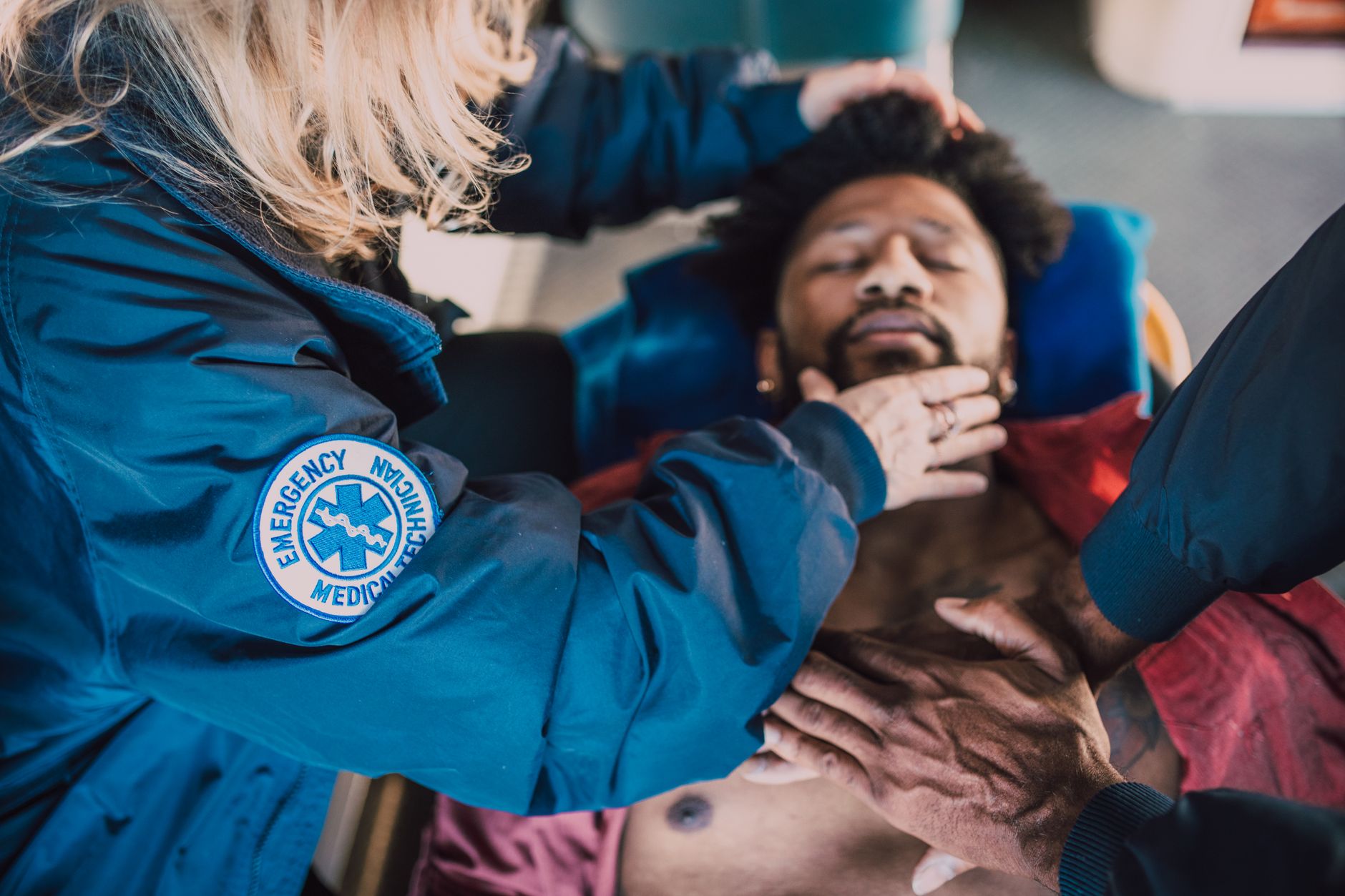
Advanced Cardiovascular Life Support is the American Heart Association's structured framework for stabilizing adults in acute, life-threatening distress. It picks up where Basic Life Support stops, adding manual rhythm interpretation, advanced airways, code medications and formal team roles.
BLS gives you compressions, ventilation and an AED. That is the floor. ACLS is what you use when a patient is in cardiac arrest, a lethal arrhythmia, a peri-arrest state or an acute stroke, and compressions alone are not going to produce a return of spontaneous circulation.
For nurses, the practical difference is role. ACLS is what moves you from assisting at a code to running one, and in most acute-care settings it is a condition of employment rather than a resume line. If you want the eligibility, cost and renewal mechanics rather than the clinical scope, see our guide to ACLS certification.
What does ACLS cover?
ACLS converts a chaotic resuscitation into a set of decision trees. The clinical scope covers high-quality CPR and defibrillation, manual ECG rhythm recognition, code pharmacology, advanced airway management, team dynamics, and post-arrest and stroke care. The AHA publishes the algorithms themselves free of charge, which is worth reading before any course.
It maps explicit pathways for the four arrest rhythms: ventricular fibrillation, pulseless ventricular tachycardia, asystole, and pulseless electrical activity, where the monitor shows organized electrical activity but the heart is not producing a pulse. It also covers patients who are deteriorating without having arrested, principally unstable bradycardia and symptomatic tachycardia, plus screening pathways for acute ischemic stroke and acute coronary syndrome.
Every clinical description below follows the current AHA CPR and ECC guidelines. These are revised on a published cycle against global survival data, so verify the edition in force when you certify.
High-quality CPR and defibrillation
ACLS adds drugs and airways without ever displacing the fundamentals. Advanced interventions are close to worthless on top of poor compressions. Training focuses on minimizing pauses, swapping compressors cleanly, and integrating a manual defibrillator into an active code.
Manual rhythm recognition
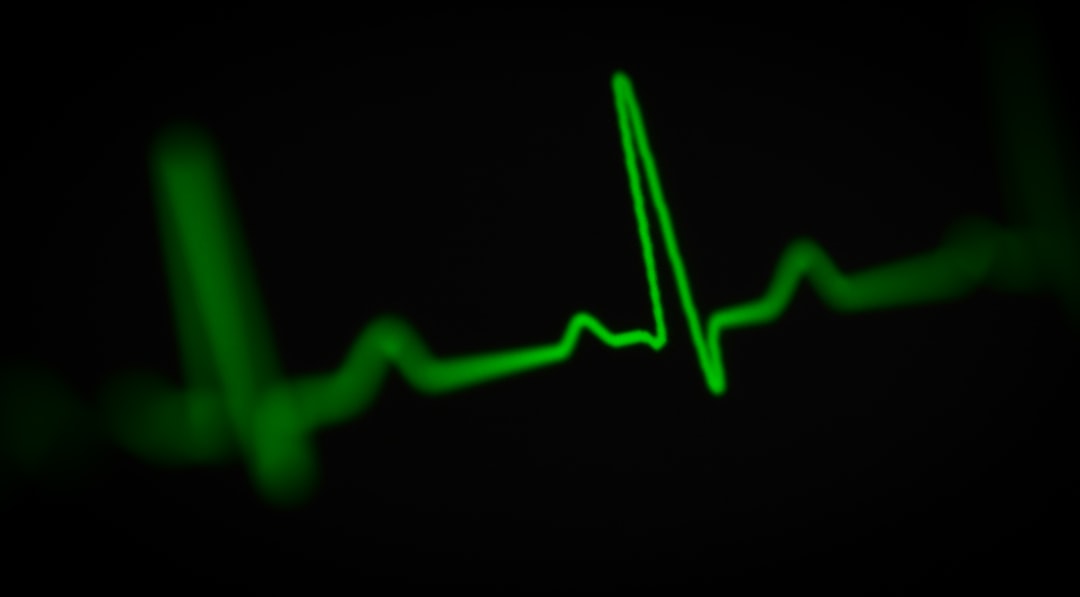
An AED decides for you. ACLS removes that. You read the monitor and identify lethal rhythms in seconds: VF, pulseless VT, asystole and PEA, plus heart blocks, bradycardias and tachycardias. If you cannot read the rhythm you cannot select the algorithm, which makes this the gating skill for everything else.
The resuscitation algorithms
The algorithms are flowcharts that dictate your next action from the patient's current rhythm and status. In VF or pulseless VT, for example, the pathway runs high-quality CPR, shock, immediately back to CPR, then a first-line vasopressor, and if the rhythm stays refractory to defibrillation, an antiarrhythmic. The structure is the point: it removes deliberation at the moment you have least capacity for it.
Code medications
ACLS teaches when and why each agent is chosen. Confirm exact doses against your official course manual and your facility's protocols, not from any article, including this one.
Epinephrine. A vasopressor; in arrest it raises coronary and cerebral perfusion pressure.
Amiodarone or lidocaine. Antiarrhythmics, used for VF or pulseless VT that has not responded to defibrillation.
Atropine. An anticholinergic, first-line for symptomatic unstable bradycardia.
Adenosine. Used for stable, regular, narrow-complex tachycardia.
Advanced airway management and monitoring
BLS uses a pocket mask or bag-valve-mask. ACLS moves to endotracheal tubes and supraglottic devices such as an LMA, alongside waveform capnography, which continuously indicates compression quality and gives the team immediate visual confirmation of ROSC on the monitor.
Resuscitation team dynamics
A large share of ACLS is not clinical knowledge at all. It is closed-loop communication, explicit role assignment at the start of a code, knowing your own scope, and behaving under pressure. This is not filler. A team of average providers who communicate cleanly reliably outperforms a room of stronger individual clinicians who do not.
Post-arrest and stroke care
The algorithm does not end at ROSC. Post-cardiac-arrest care covers targeted temperature management and hemodynamic optimization, with the goal of limiting reperfusion injury to the brain. The curriculum applies the same structured urgency to acute ischemic stroke and acute coronary syndrome, where the measured outcome is how fast the patient reaches the right unit or cath lab.
Who needs ACLS, and why it exists
ACLS is built for clinicians who lead or support real-time resuscitation, and in practice that means it is mandatory rather than elective. Emergency departments, intensive care, PACU, cardiac cath labs, telemetry floors and rapid response teams all require a current card, and credentialing bodies enforce it. If you are expected to respond when a code is called, you will be expected to hold it.
The requirement exists because standardization measurably improves survival. Before these algorithms became the reference standard, resuscitation practice was fragmented, with different clinicians running materially different drug sequences for the same presentation. Condensing decades of resuscitation research into a shared playbook means a code in a large urban center and a code in a small rural hospital run the same way.
That standardization also changes what a code feels like from the floor. Instead of an open-ended scramble, the event becomes a sequence of predictable blocks: you know when the next pulse check is due, when the next medication is due, and which rhythm changes to watch for. Lowering the ambient panic in the room is not a side effect; it is much of the clinical value. Nurses moving into these environments often pair it with specialty credentials such as CCRN, and it is a standard expectation in emergency nursing.
ACLS vs. BLS vs. PALS
The three differ by patient age, permitted interventions and scope of practice. BLS is the foundation and applies to all ages: compressions, airway, AED, no medications, no intubation. ACLS covers adults only and adds manual ECG interpretation, advanced airways, and IV or IO code drugs. PALS covers pediatrics, with weight-based dosing, different algorithms and different equipment.
Feature | BLS | ACLS | PALS |
|---|---|---|---|
Audience | All healthcare workers, first responders, lay rescuers | Acute-care nurses, physicians, paramedics, respiratory therapists | Pediatric nurses, ED staff, pediatricians, PICU and NICU teams |
Patient population | All ages | Adults only | Infants, toddlers and children up to 18 |
Rhythm identification | Automated; the AED decides | Manual interpretation of the ECG | Manual interpretation of the pediatric ECG |
Airway | Pocket mask, barrier devices, bag-valve-mask | Endotracheal tubes, supraglottic airways, waveform capnography | Pediatric advanced airways, size-specific equipment |
Pharmacology | None | IV and IO code medications | Weight-based dosing via length-based tape or formula |
Evaluation | CPR skills and AED use | Written exam plus the hands-on megacode | Written exam plus pediatric resuscitation scenarios |
Card validity | 2 years | 2 years | 2 years |
The word "advanced" misleads people into assuming ACLS covers children. It does not, and the reason is clinical rather than administrative. Adult arrests are usually primary cardiac events driven by ischemic coronary disease or structural disease. Pediatric arrests are usually secondary, following progressive respiratory failure or circulatory shock. Because the underlying causes differ, the treatment pathways differ. An ACLS card will not satisfy a pediatric requirement, and a PALS card will not cover you for adults.
Getting certified
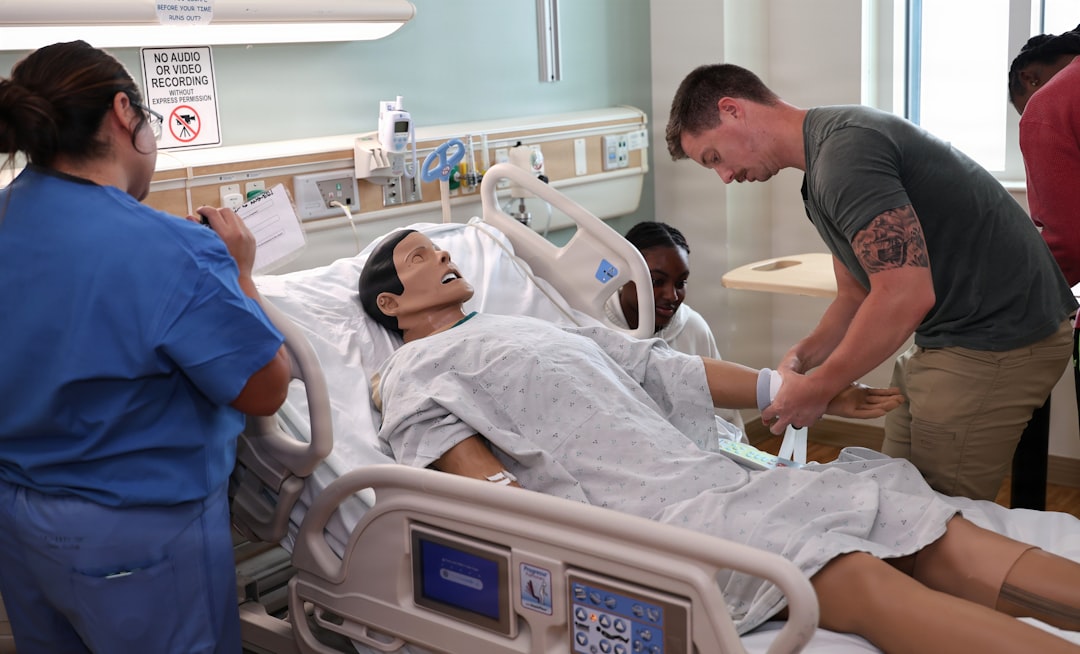
Certification means completing an AHA-approved course and passing two assessments: a written exam and the hands-on megacode, in which you lead a simulated resuscitation from rhythm recognition through drug selection and team direction. The card is valid for two years. You choose between two delivery formats based on your schedule rather than on rigor, because both end at the same assessment and produce the same provider card. What differs is where the cognitive portion happens.
Traditional classroom. A live instructor-led course over one or two days. Structured, with immediate feedback and hands-on practice on manikins and crash carts alongside other students.
Blended learning (HeartCode ACLS). Cognitive modules and virtual patient simulations completed online at your own pace, followed by a short in-person session with an AHA instructor for the skills check and megacode.
Either way, arrive with a current BLS card and your pre-course work finished. You pass by completing a written exam and the hands-on megacode. Study the algorithms before the class rather than during it: the goal is clinical competence, not a passing score, and our ACLS practice test is built to drill rhythm recognition and medication timing until the sequence is automatic.
Written by · Verified educator
Testavia editorial
Nathan Cole
RN
Medical-Surgical nurse & health writer
Meet Nathan, a registered nurse with over five years of experience in Medical-Surgical care, based in New York City. Having worked with a wide range of patients through some of their most vulnerable moments, Nathan brings a grounded, real-world perspective to his writing on healthcare. His goal is simple: to bridge the gap between medical knowledge and everyday understanding, making health topics feel less intimidating and more empowering for everyone. When he's not caring for patients, Nathan channels his passion for medicine into writing that educates, comforts and inspires.
5+
Years in Med-Surg
Medical-Surgical
Specialty
New York City
Based in