PALS Certification 2026: Who Needs It, Cost & Renewal
Pediatric Advanced Life Support (PALS) is a two-year American Heart Association credential for providers who manage life-threatening emergencies in infants and children. Here’s who needs it, the classroom vs. HeartCode formats, what it costs, the 84% exam, and exactly how to certify or renew.
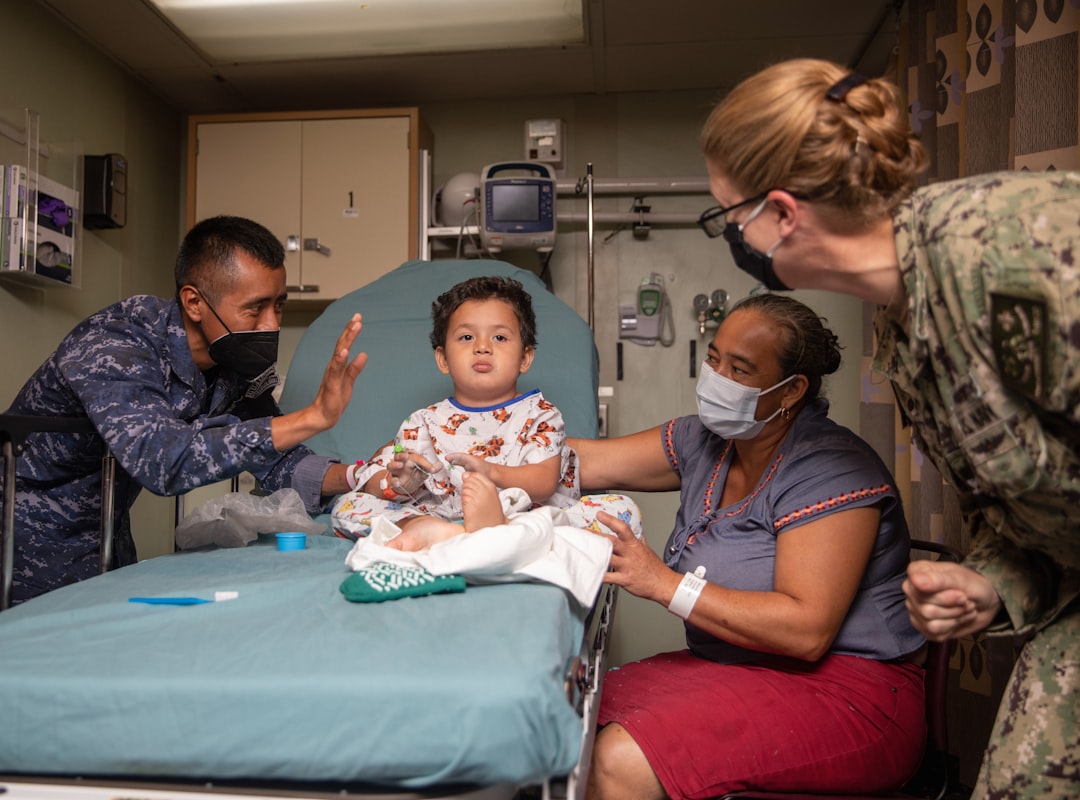
Pediatric Advanced Life Support (PALS) trains healthcare professionals to identify and manage life-threatening emergencies in children and infants — because managing a child’s respiratory failure or cardiac arrest is different from adult care. Learners build skills in pediatric assessment; managing cardiac, respiratory, and shock emergencies; interpreting cardiac rhythms; and team-based resuscitation. Whether you are certifying for the first time, renewing before your card expires, or checking whether your role requires it, this guide covers what you need to know.
What is PALS certification?
PALS is one of the advanced clinical certifications from the American Heart Association (AHA). Unlike BLS and ACLS, PALS focuses on the specialized skills needed to treat critically ill or injured infants and children. It assumes BLS proficiency and builds on it — covering algorithms, rhythm recognition, airway management, vascular access, and pharmacology specific to pediatric emergencies, across three core categories: respiratory failure, shock, and pediatric cardiac arrest.
On successful completion, you receive an official AHA PALS Provider eCard, valid for two years from the date of completion and accepted by hospitals and clinical employers nationwide.
Who needs PALS certification?
PALS is intended for healthcare professionals who respond to respiratory, cardiovascular, and cardiopulmonary emergencies in children and infants — across emergency response, emergency medicine, critical care, and intensive care. The roles most commonly required to hold current PALS:
Clinical setting | Roles typically required |
|---|---|
Pediatric ICU (PICU) | RNs, physicians, respiratory therapists, NPs, PAs |
Neonatal ICU (NICU) | RNs, neonatologists, NNPs, respiratory therapists |
Pediatric Emergency Department | ED physicians, RNs, paramedics, NPs, PAs |
General Emergency Department | RNs and physicians who manage pediatric patients |
Operating Room / PACU | Providers managing pediatric surgical cases |
Transport and flight nursing | Flight and ground transport nurses and paramedics |
Pediatric hospital units | Nurses and providers in any unit admitting critically ill children |
EMS / pre-hospital care | Advanced-level EMTs and paramedics |
Course format: in-person vs. blended
PALS is offered in two formats — traditional instructor-led classroom or blended learning — both teaching the same content and producing the same certification card. The right choice depends on your schedule, learning style, and what your employer accepts.
Full classroom (instructor-led)
The entire course is taught in person by an AHA-certified instructor who simulates pediatric emergencies and uses video to teach and test skills, usually 12–14 hours over two days. It is ideal for first-time providers, those who want maximum hands-on time, or anyone who prefers a guided environment. The written assessment and skills evaluation happen in the same block.
HeartCode PALS (blended learning)
HeartCode PALS is the AHA’s official blended format: complete an adaptive online portion at your own pace (the path adjusts to your performance and confidence in each topic), pass the written exam with 84% or higher, then complete a hands-on skills session (30–90 minutes) with an AHA instructor or HeartCode-compatible manikin to receive your card. The PALS Provider Manual eBook is included. It suits experienced professionals seeking efficient recertification.
Factor | Full classroom | HeartCode PALS (blended) |
|---|---|---|
Total time | 12–14 hours (2 days) | Online self-paced; skills check 30–90 min |
Online component | None | Yes — adaptive, self-paced |
Hands-on session | Included in classroom | Separate, completed in person |
Best for | First-time providers | Experienced providers renewing |
Written exam | In-person during class | Completed online (84% to pass) |
Provider manual | Purchased separately | eBook included |
Resulting card | AHA PALS eCard, 2 years | AHA PALS eCard, 2 years |
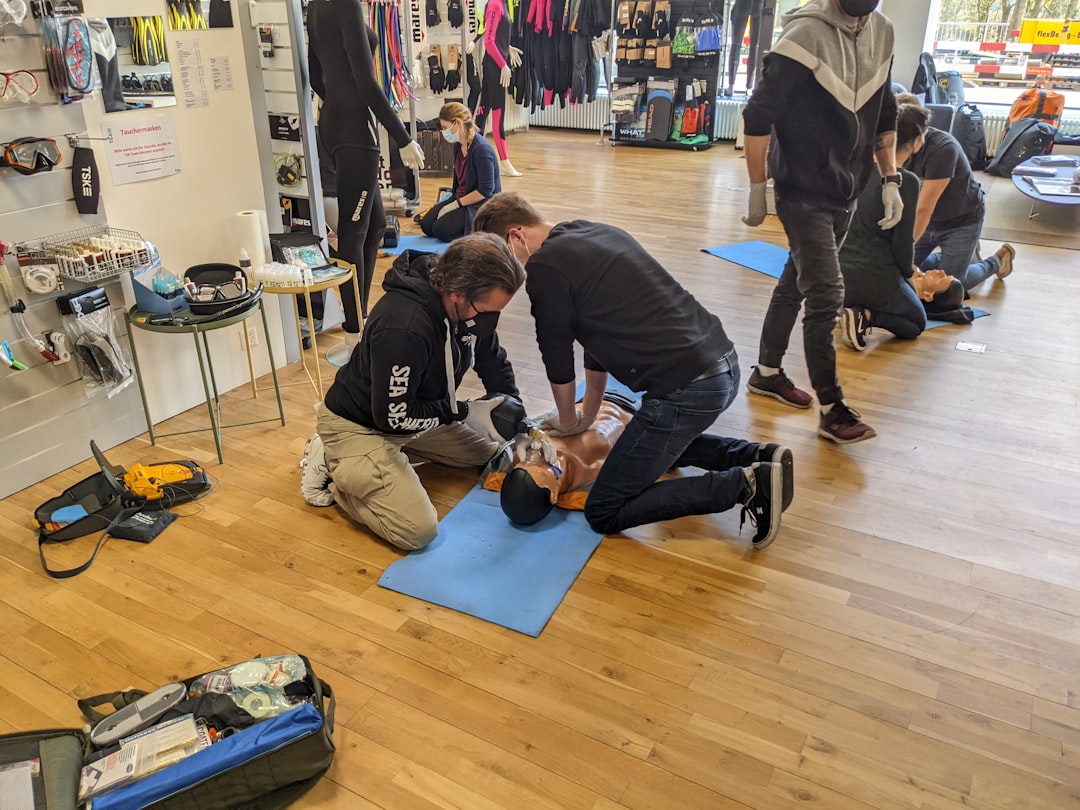
Both formats teach the same core content, aligned to the 2025 AHA Guidelines: high-quality CPR per BLS recommendations; recognition and management of respiratory distress, failure, and arrest; differentiating compensated from decompensated (hypotensive) shock; pediatric rhythm recognition; team dynamics and closed-loop communication; identification and treatment of pediatric shock (distributive, hypovolemic, cardiogenic); post–cardiac arrest management; and pediatric pharmacology. The skills evaluation includes megacode scenarios where you lead or participate in a simulated resuscitation — algorithm knowledge without practiced execution is not enough to pass.
How to get certified and how to renew
Getting certified for the first time
Confirm your employer’s requirements. Verify what your institution accepts before choosing a format — some accept only AHA-issued PALS cards.
Confirm your BLS proficiency. PALS assumes you can perform high-quality infant and child CPR. A BLS card is not always required at enrollment, but your pediatric BLS skills are evaluated as a mandatory component.
Complete the pre-course self-assessment. You must pass the PALS pre-course self-assessment with 70% or higher, available in your manual or the AHA student portal.
Choose your format and register. Find an AHA-authorized Training Center or purchase HeartCode PALS directly. Bring a government-issued photo ID for in-person classes.
Complete the course and receive your eCard. Pass both the written assessment (84%+) and the skills assessment; the eCard is issued the day of completion and valid for two years.
Renewing before your card expires
The card is valid for two years. The renewal course is shorter than initial certification, focused on keeping you current with the latest pediatric emergency care. The three main renewal pathways for 2025–2026:
Renewal pathway | Time required | Estimated cost |
|---|---|---|
Classroom renewal course | 4–6 hours, in person | $120–$260 |
HeartCode PALS (blended) | Online self-paced + 30–90 min skills check | $195–$265 |
Non-AHA online only | Varies | $130–$180 |
When your card expires, so does your certification. Most Training Centers still allow a renewal-format course for a recently expired card, so you may not need to repeat the full initial course — but if your card has been expired more than two years, confirm which format applies with the Training Center.
Cost, where to take it, and BLS vs. ACLS vs. PALS
Costs vary by format, Training Center, and region. Typical 2025–2026 ranges:
Course type | Typical cost range |
|---|---|
In-person initial (classroom) | $150–$300 |
HeartCode PALS (blended, initial) | $225–$265 |
In-person renewal | $120–$260 |
HeartCode PALS renewal | $195–$265 |
Non-AHA online only | $130–$180 |
Many employers cover PALS costs for clinical staff, especially where it is a hire requirement, and many hospitals are AHA-authorized Training Centers. Find courses at the AHA course locator, or purchase HeartCode PALS from ShopCPR with the skills check at any authorized Testing Center.
Certification | BLS | ACLS | PALS |
|---|---|---|---|
Focus patient | All ages | Adults (18+) | Infants and children |
Primary focus | High-quality CPR, AED, rescue breathing | Cardiovascular emergencies — arrest, stroke, arrhythmias | Pediatric assessment, shock, respiratory emergencies, weight-based dosing |
Prerequisites | — | Adult BLS proficiency | Pediatric BLS proficiency |
Who needs it | Nearly all clinical roles | ED, ICU, cardiac, critical care | Pediatric and emergency care providers |
All three are AHA emergency-cardiovascular-care certifications covering different populations and skill levels. BLS is the foundation for both ACLS and PALS, and many providers in emergency and critical care hold all three, since they meet both adult and pediatric emergencies in a single shift — including flight and transport nurses and PACU nurses managing pediatric cases.

Written by · Verified educator
Testavia editorial
Nathan Cole
RN
Medical-Surgical nurse & health writer
Meet Nathan, a registered nurse with over five years of experience in Medical-Surgical care, based in New York City. Having worked with a wide range of patients through some of their most vulnerable moments, Nathan brings a grounded, real-world perspective to his writing on healthcare. His goal is simple: to bridge the gap between medical knowledge and everyday understanding, making health topics feel less intimidating and more empowering for everyone. When he's not caring for patients, Nathan channels his passion for medicine into writing that educates, comforts and inspires.
5+
Years in Med-Surg
Medical-Surgical
Specialty
New York City
Based in