Flight Nurse 2026: How to Become One, Salary & CFRN
Flight nursing is one of the most intense specialties in the field — critical care delivered in a moving aircraft with limited equipment and no time to wait. Here’s what a flight nurse does, the years and certifications it takes to become one, what they earn, and how the CFRN credential fits in.

Few nursing roles carry as much intensity as flight nursing. You work in a confined aircraft with limited equipment, caring for a critically ill or injured patient who cannot wait for ground transport — and every clinical decision matters. It is one of nursing’s most challenging specialties, and one of its most fulfilling. This guide covers what a flight nurse does, how to become one, salary and outlook, and how the CFRN certification fits into the career path.
What is a flight nurse?
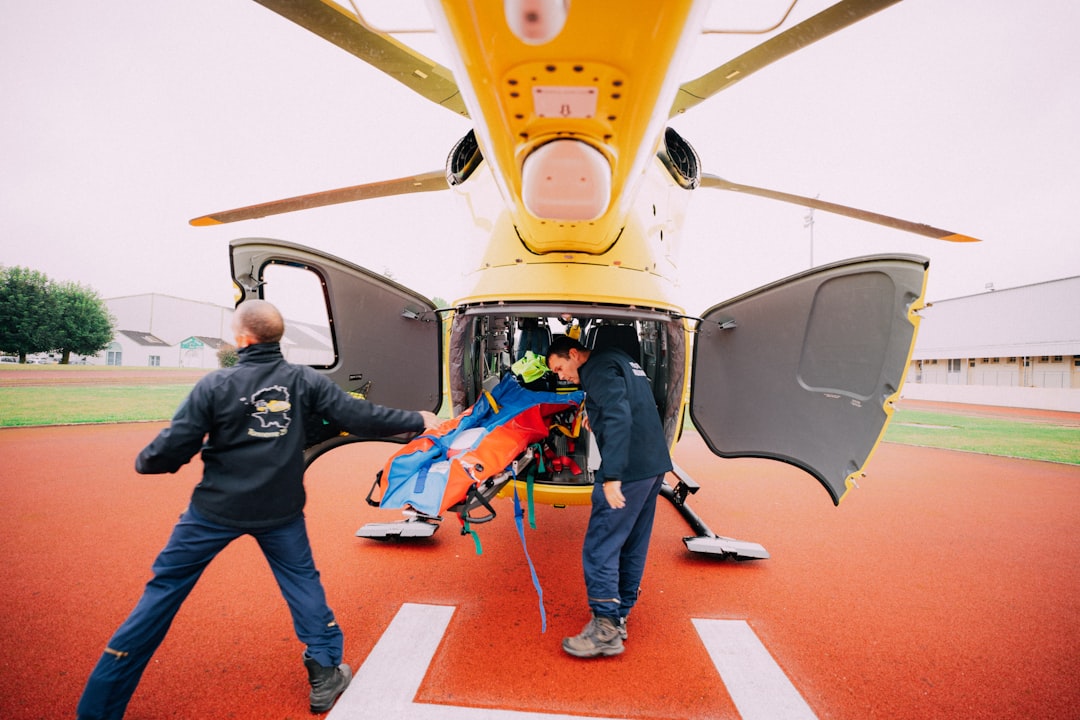
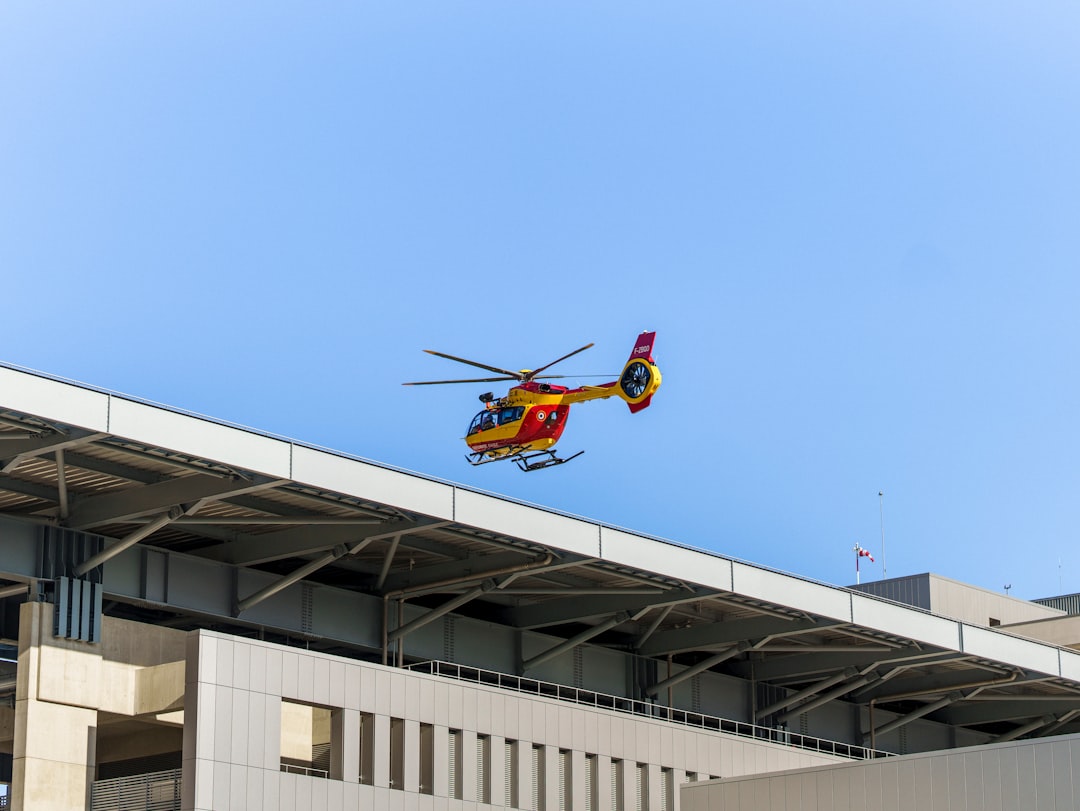
A flight nurse is a registered nurse trained to provide pre-hospital critical care aboard a helicopter or fixed-wing aircraft. Their patients are nearly always seriously ill or severely injured and need emergency evacuation to a hospital, or transfer between facilities. Flight nurses work with pilots, paramedics, and sometimes physicians to stabilize patients and land them safely.
Because the role means delivering advanced clinical care in a flying aircraft, it is also called transport nurse, air ambulance nurse, medevac nurse, or helicopter nurse.
What does a flight nurse do?
A flight nurse assesses and stabilizes critically ill patients and delivers advanced interventions during transport — often with no physician present. Core clinical responsibilities include:
Patient assessment and stabilization at the scene or sending facility before loading
Advanced airway management, including endotracheal intubation performed independently
IV and IO access to deliver medications, fluids, and blood in emergencies
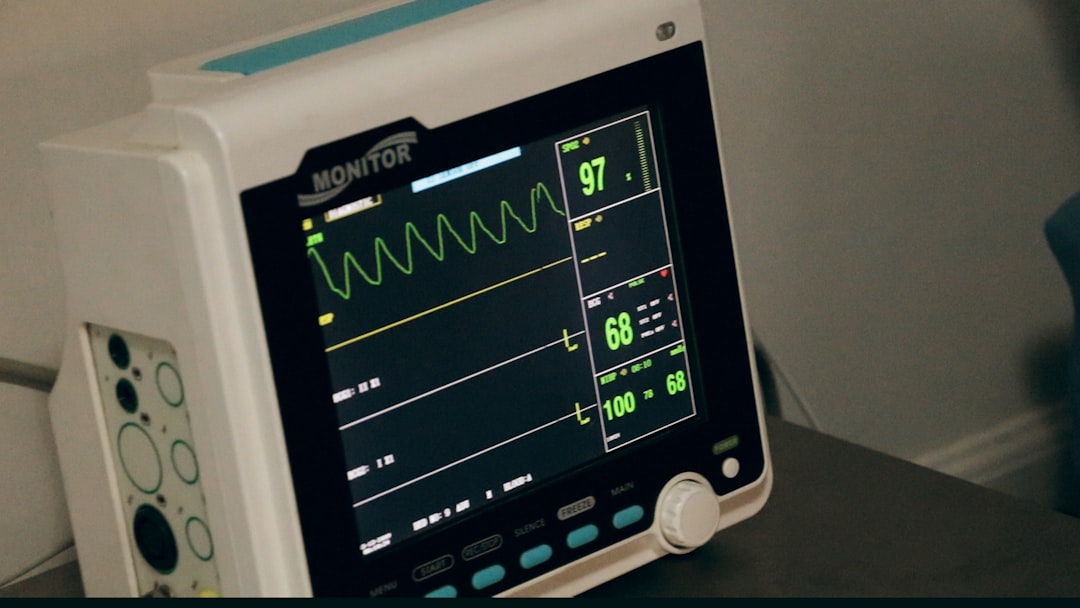
Cardiac monitoring and management of arrhythmias, acute MI, and hemodynamic instability
Ventilator management during transport
Medication administration, including sedation, paralytics, vasopressors, and analgesia
Trauma interventions such as chest decompression and hemorrhage control
Pediatric and neonatal transport, including incubator management for critically ill newborns
Documentation and equipment checks — flight nurses stock and verify the aircraft’s supplies before every mission
The environment makes everything harder. Skills that are routine in a hospital become difficult amid noise, vibration, limited lighting, and confined space — some sounds cannot be heard in flight, and many interventions require adaptation. Flight nurses train specifically for these conditions, which is a major reason programs demand critical-care experience before hiring.
Types of transport
Transport type | Description |
|---|---|
Scene response | Helicopter dispatched to accident scenes, wilderness emergencies, drownings, disasters |
Inter-facility transfer | Critically ill patients moved between hospitals — e.g., community ED to trauma center |
Neonatal / pediatric transport | Premature or critically ill newborns and children moved to pediatric ICUs |
Organ procurement | Some teams support time-sensitive organ retrieval and transplant logistics |
Military medevac | Tactical and strategic medical evacuation in combat and training environments |
Flight nurse requirements and how to become one
Becoming a flight nurse takes years — not because of bureaucracy, but because the role demands real clinical depth. The path runs through licensure, several years of critical-care experience, a stack of certifications, and finally flight-specific hiring.
Step 1: Earn your RN license
The foundation is an RN license, earned by completing an accredited ADN or BSN program and passing the NCLEX-RN. Most flight programs prefer or require a BSN, because the environment demands independent judgment and complex patient populations. See our ADN vs BSN guide to compare the two — and if you are still preparing for the NCLEX, Testavia’s NCLEX-RN prep resources are built around the clinical reasoning that carries directly into critical care.
Step 2: Build critical-care experience
Flight programs require substantial ICU or emergency-department experience before they will consider you — the standard expectation is three to five years in high-acuity settings, and some programs require a minimum of five years of ICU or ED experience within the past ten. Prioritize roles that develop rapid assessment, ventilator management, hemodynamic monitoring, and emergency intervention: trauma centers, medical/surgical/cardiac ICUs, and level-one emergency departments.
Step 3: Obtain prerequisite certifications
Most employers require several certifications before hire:
Certification | Issuing body | Notes |
|---|---|---|
ACLS (Advanced Cardiovascular Life Support) | American Heart Association | Required universally |
PALS (Pediatric Advanced Life Support) | American Heart Association | Required at most programs |
TNCC (Trauma Nursing Core Course) | Emergency Nurses Association | Required at many programs |
NRP (Neonatal Resuscitation Program) | AAP / AHA | Required at programs with neonatal transport |
CCRN (Critical Care Registered Nurse) | AACN | Strongly preferred; demonstrates ICU mastery |
CEN (Certified Emergency Nurse) | BCEN | Alternative or supplement to CCRN for ED-background nurses |
CFRN (Certified Flight Registered Nurse) | BCEN | The specialty credential for flight nursing |
Many programs hire nurses who hold CCRN or CEN and require the CFRN within the first year. Building acute-care credentials like ACLS early makes you a stronger candidate.
Step 4: Apply for flight positions
Once you have the experience and certifications, apply — often to air medical transport companies, hospitals, government and military agencies, research institutions, search-and-rescue teams, and trauma facilities. Landing a spot on your hospital’s own transport team first is one of the most effective ways to build flight-specific experience. Positions are highly competitive; candidates who combine strong critical-care experience, relevant certifications, and demonstrated judgment stand out.
Physical requirements and timeline
Flight nursing is physically demanding. Most programs enforce weight limits — commonly around 250 pounds — because aircraft have strict payload restrictions, and candidates must be comfortable in small, confined, noisy spaces with no conditions worsened by altitude or flight.
Phase | Approximate time |
|---|---|
Nursing education (BSN) | 4 years |
NCLEX and licensure | 1–3 months after graduation |
Critical-care experience | 3–5 years |
Prerequisite certifications | Ongoing during ICU years |
CFRN exam prep and credentialing | Several months |
Flight nurse salary and outlook
Flight nurses earn well above the median for registered nurses generally, reflecting the specialization, experience requirements, and autonomy of the role. Per PayScale (Oct 2025), the average is about $85,700/year from self-reported data; Salary.com (July 2026) puts it at $94,790, with a typical range of $88,360–$101,730 and top earners at $108,000 and above. Pay varies with location, employer type (hospital-based vs. independent air medical service), experience, union status, and shift differentials.
For outlook, the U.S. Bureau of Labor Statistics projects registered-nurse employment to grow 6% from 2023 to 2033 — about average across occupations — and demand for skilled transport nurses is expected to stay strong as rural hospital networks depend on air transport to connect patients to higher levels of care.
CFRN certification
The Certified Flight Registered Nurse (CFRN) is the national specialty certification for air transport nursing, issued by the Board of Certification for Emergency Nursing (BCEN) and recognized as the standard credential for flight RNs across the U.S. It is also accredited by the Accreditation Board for Specialty Nursing Certification (ABSNC).
Eligibility and the exam
BCEN requires a current, unencumbered RN license in the U.S., a U.S. territory, Canada, or Australia (or a verified equivalent), with no active restrictions, suspensions, or probationary orders. BCEN recommends — but does not require — at least two years of flight-nursing experience before testing. The exam is computer-based, 150 questions over three hours, covering transport physiology, resuscitation (adult, pediatric, neonatal), trauma, medical emergencies, special populations, and safety/crew resource management.
The CFRN exam costs $380 for non-members of ASTNA (the Air & Surface Transport Nurses Association) and $285 for members. BCEN offers official practice exams through BCEN Learn at $40 each. The credential is valid for four years, with recertification through ongoing continuing education and professional development.
Is flight nursing right for you?
Flight nursing is not for everyone — it demands a specific mix of clinical skill, psychological traits, and physical tolerances. You may thrive in it if you have deep clinical experience and confidence working without an on-site physician, adapt quickly under pressure, make consequential decisions independently with limited information, are comfortable with aircraft and confined spaces, have stamina for irregular hours and patient loading, and are drawn to variety.
Consider carefully if you prefer a controlled, well-resourced environment, find sustained high stress draining rather than energizing, have conditions affected by altitude/noise/vibration, or are earlier in your career without the critical-care foundation the role requires. Being a high-performing ICU nurse is necessary but not sufficient — many excellent nurses find hospital ICU or trauma work more fulfilling than adding the flight environment, and that is a completely valid conclusion. The Air & Surface Transport Nurses Association (ASTNA) is the professional home for transport nurses, with practice standards, development resources, an annual conference, and the member discount on the CFRN.
Written by · Verified educator
Testavia editorial
Nathan Cole
RN
Medical-Surgical nurse & health writer
Meet Nathan, a registered nurse with over five years of experience in Medical-Surgical care, based in New York City. Having worked with a wide range of patients through some of their most vulnerable moments, Nathan brings a grounded, real-world perspective to his writing on healthcare. His goal is simple: to bridge the gap between medical knowledge and everyday understanding, making health topics feel less intimidating and more empowering for everyone. When he's not caring for patients, Nathan channels his passion for medicine into writing that educates, comforts and inspires.
5+
Years in Med-Surg
Medical-Surgical
Specialty
New York City
Based in