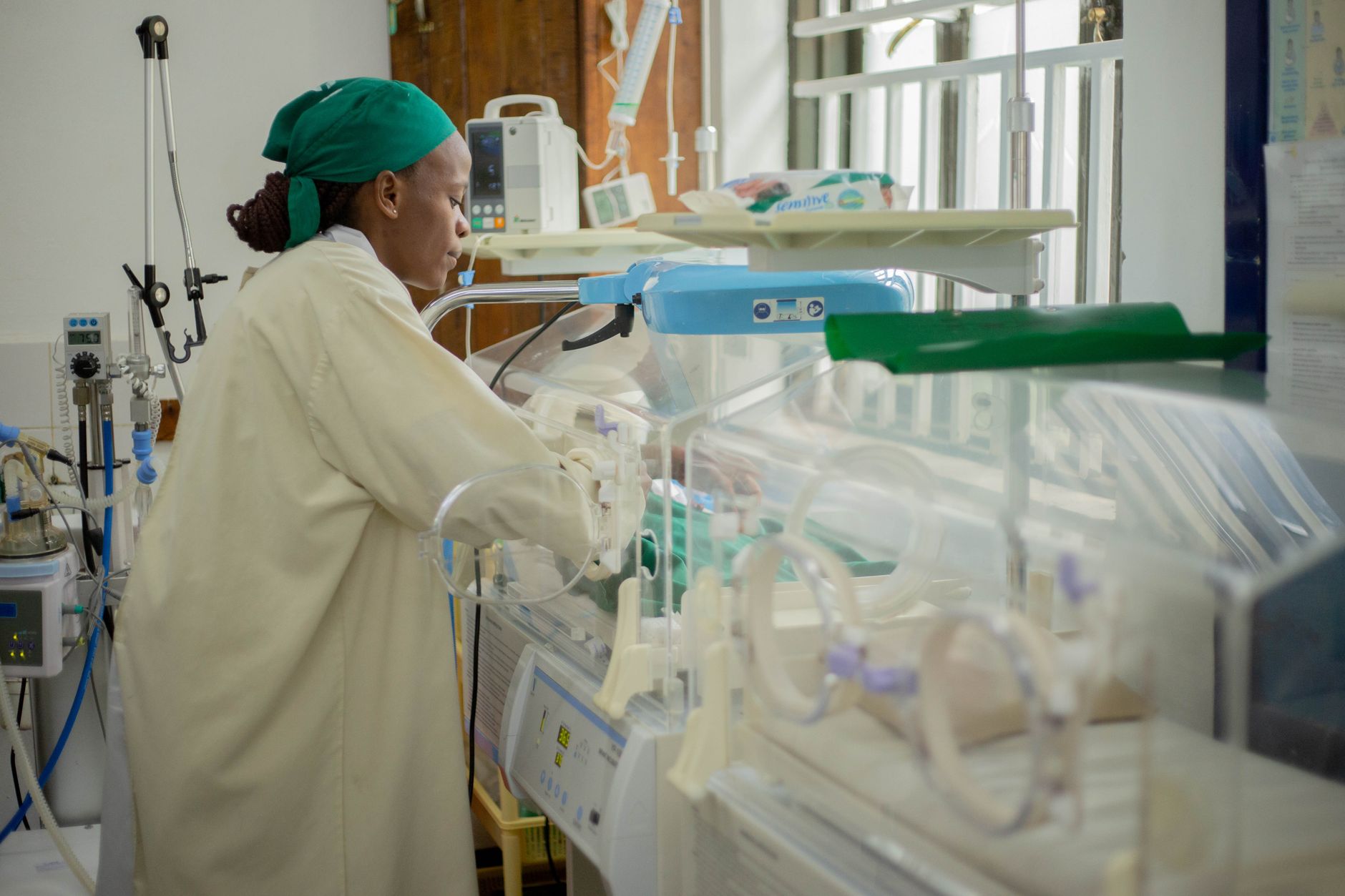
ER Nurse: Deciding Who's Sick Before Anyone Knows Why
An emergency nurse assesses, stabilizes and prioritizes undifferentiated patients - people who arrive with a complaint rather than a diagnosis. The defining skill is triage: judging acuity on incomplete information, repeatedly, at volume. It is the opposite of ICU nursing.
Editorial
Last reviewed · July 24, 2026
Medically reviewed
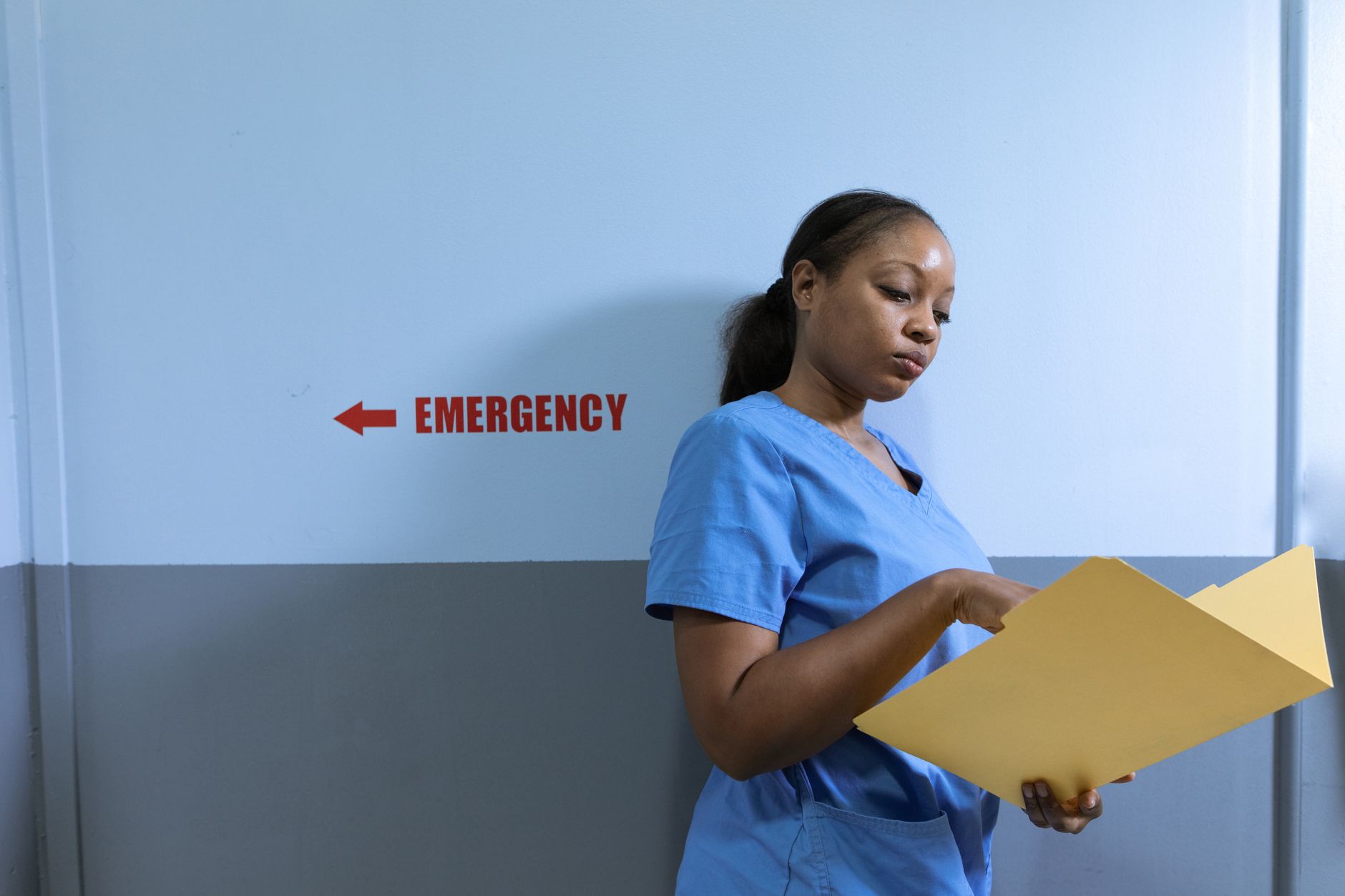
missing information. Here's what ER nurses do and how it differs from ICU.
An emergency nurse (ER) assesses, stabilizes, and prioritizes undifferentiated patients — people who arrive with a complaint rather than a diagnosis. The defining skill is triage: judging acuity on incomplete information, repeatedly, at volume. It's the opposite of ICU nursing, where you know almost everything about very few patients. BCEN offers the CEN credential for nurses who want to formalize the specialty.
What Does an ER Nurse Do?
They mostly care for patients who arrive at the emergency department with a wide, unpredictable range of complaints and acuity levels — everything from a broken finger to a cardiac arrest, often within the same hour, often without warning about which is coming next.
The Actual Shift
The role includes several key responsibilities:
Assessing new patients to determine how urgently they need care,
performing focused assessments,
carrying out procedures and interventions,
stabilizing patients whose condition is deteriorating, and
coordinating the handoffs that follow — whether that's admitting a patient to an inpatient unit, transferring them to another facility, or discharging them home with instructions.
All of this happens across every age group and nearly every level of acuity simultaneously, which is a meaningfully different working reality than most other nursing specialties, where a unit tends to specialize around a narrower band of patient types.
It's worth being direct about what the job isn't, too, since this is the part most content skips entirely. Most of a shift isn't the trauma bay. It's frequently a dozen patients at once, in various stages of being assessed, treated, or waiting, and the actual skill on display most of the time is deciding which of those patients can't wait — not performing a dramatic resuscitation. The trauma bay happens. It's simply not what fills most of the hours in most shifts, and building your expectations around it is likely to leave you unprepared for what the role actually demands day to day.
The Range of Patients You'll See
Part of what makes the role genuinely distinctive is the sheer breadth of what walks through the door on any given shift, with essentially no advance warning about what's coming next. A single afternoon might include a toddler with a fever, a construction worker with a lacerated hand, an elderly patient with confusion and a possible infection, someone in the middle of a mental health crisis, and a patient arriving by ambulance after a car accident — all needing assessment within a similar window of time, and all requiring a different kind of clinical attention and a different pace of response.
Other nursing specialties tend to narrow this range considerably, focusing on a particular age group, a particular body system, or a particular level of acuity. Emergency nursing deliberately doesn't narrow it, and that breadth is either the most appealing or the most exhausting part of the job, depending on the nurse.
The Reality of Boarding
There's an operational reality in modern emergency departments worth naming honestly, because it's part of the job and it's rarely mentioned in specialty overviews: many emergency departments spend meaningful time holding patients who have already been admitted to the hospital but are waiting for an inpatient bed to become available, a practice commonly referred to as boarding.
This is a widely reported reality of emergency department operations across the healthcare system rather than something unique to any one facility, and it means an ER nurse's patient load often includes people who are, functionally, inpatients being cared for in an emergency department bed rather than emergency patients in the traditional sense. That's a genuinely different kind of work than assessing a fresh arrival, and it's worth knowing about going in, since it shapes the day-to-day texture of the job as much as the acute cases do.
Triage Is the Skill
If there's one thing this guide wants you to walk away understanding, it's this: the skill that actually defines emergency nursing isn't speed, and it isn't nerve under pressure. It's triage — and it's worth being precise about what that word actually means, because it gets used loosely.
The Reframe That Actually Matters
In most nursing specialties, a patient arrives to you already carrying a diagnosis. Someone else has already done the diagnostic work — ordered the tests, consulted the specialists, arrived at an answer — and your job is to deliver and manage care against that known picture. Emergency nursing takes the opposite approach. A patient arrives with a chief complaint, not a diagnosis: chest pain, abdominal pain, a fall, a fever. Nobody yet knows what's actually wrong. Your job, at that moment, is to look at that person, take a brief history, gather a set of vital signs, and make a genuinely consequential judgment about how sick they are and how quickly they need to be seen — all before any diagnostic workup has begun.
According to the Emergency Nurses Association (ENA), triage is fundamentally a rapid evaluation process focused on patient acuity, used to establish the order and location in which a patient should be seen, and ENA — alongside the American College of Emergency Physicians — supports the use of a standardized, reliable five-level acuity scale for this process, such as the Emergency Severity Index. That's worth knowing exists as a formal, professionally endorsed framework. What this guide isn't going to do is walk you through the specific levels of that scale or the clinical criteria that separate one level from another. That is clinical protocol, taught through structured triage education and refined through supervised practice and ongoing competency review at your specific facility, not something a career overview page should be trying to teach secondhand.
What Triage Actually Demands
What triage asks of a nurse is a particular combination of skills that doesn't get much airtime in typical descriptions of the job. It demands fast pattern recognition — the ability to notice, quickly, which details in a brief presentation are the ones that matter. It demands genuine tolerance for uncertainty, since you will essentially never have the full picture at the moment you're making an acuity decision, and you have to be comfortable acting decisively anyway. And it demands a specific kind of professional humility: the willingness to be wrong in the safe direction, treating an ambiguous presentation as more urgent rather than less, because the cost of underestimating acuity is far higher than the cost of a patient waiting slightly longer than they strictly needed to.
You'll never have the full picture in this role. The job, at its core, is being right enough, fast, with whatever information you've actually got in front of you — and doing that reliably, shift after shift, for a continuous stream of people you've never met before, each of whom is a genuine unknown until you've assessed them.
ER vs ICU: Depth or Breadth
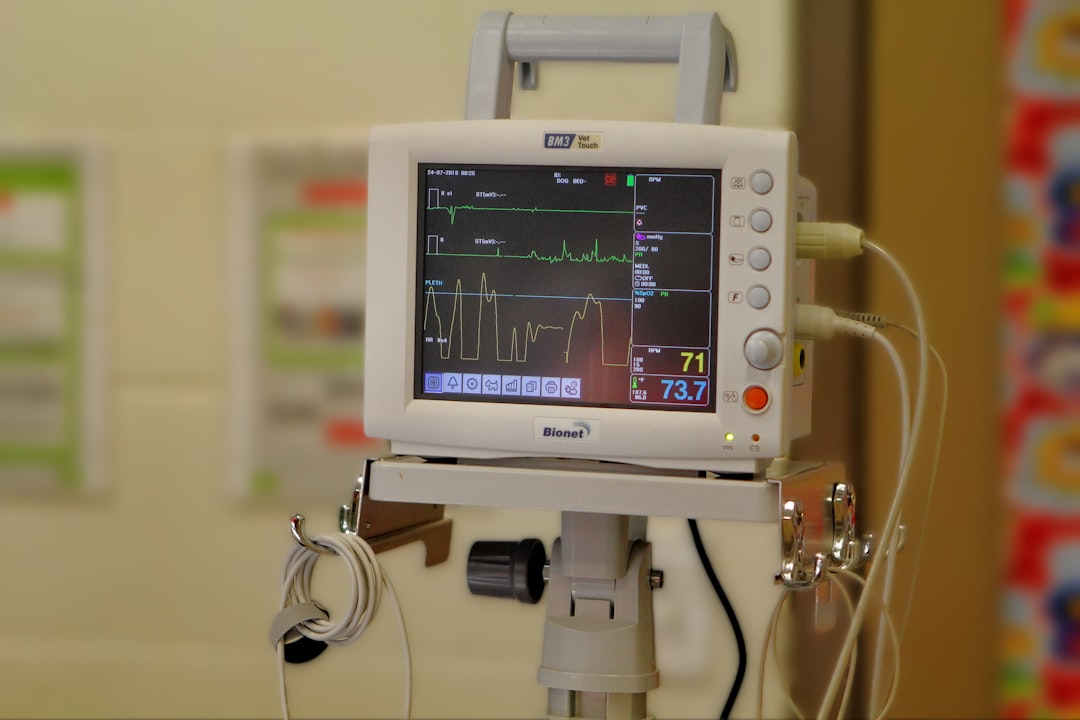
This is the comparison every nurse considering emergency nursing eventually runs into, usually while trying to decide between the two specialties directly, and it deserves a real, decidable answer rather than the vague "they're both intense" framing that dominates most coverage of the question.
The Actual Difference
One role focuses on deep expertise, while the other requires a broader range of skills. In an ICU, a nurse typically cares for one or two patients over the course of a shift, and the relationship with those patients is one of near-total information: you know their full history, their trending labs, their ventilator settings, the fine details of their physiology, and how all of that has shifted hour by hour. It's continuous, deep, and specific. In an emergency department, a nurse is frequently managing information about many patients simultaneously — often ten or more over a shift — and the amount you know about any single one of them, at least initially, is comparatively thin: a chief complaint, an initial assessment, a first set of vitals, and very little else until more information accumulates.
Both roles are demanding, but in different ways, and framing the comparison as a hierarchy misses the actual point. They're built around fundamentally different temperaments and different kinds of professional satisfaction. ICU nursing rewards someone who wants to go deep — to understand a small number of patients thoroughly, to track subtle physiological changes over time, to build continuity with the same patients across a multi-day stay. Emergency nursing rewards someone who wants breadth — constant variety, rapid turnover, the challenge of making sound decisions with limited information rather than complete information. The ICU is close to everything for two patients. The ER is comparatively very little, about twelve of them. Which one sounds like relief to you, rather than which one sounds more impressive on paper, is a genuinely useful way to think about the choice.
Emergency department | Intensive care unit | |
|---|---|---|
Patients per shift | Often ten or more, constantly turning over | Typically one or two |
What you know about each | A chief complaint, an initial assessment, a first set of vitals | Full history, trending labs, ventilator settings, hour-by-hour physiology |
Core skill | Triage — judging acuity on incomplete information | Sustained interpretation of a deep, continuous data picture |
Diagnosis on arrival | No — patients are undifferentiated | Yes — patients arrive with a known problem |
Continuity | Almost none; patients are admitted, transferred or discharged | High; the same patients across a multi-day stay |
Suits a nurse who wants | Breadth, variety, decisions under uncertainty | Depth, continuity, subtle physiological trends |
Where They Sit Relative to Other Acuity Roles
It's worth knowing that ER and ICU aren't the only two points on this spectrum. PACU nursing sits in its own niche, focused on the immediate post-anesthesia recovery period. Telemetry nursing covers patients who need continuous cardiac monitoring but aren't at ICU level acuity. Flight nursing takes emergency-style acuity and adds the logistics of transport into the mix entirely. If neither the depth of the ICU nor the breadth of the ER sounds quite right, one of these adjacent specialties may be a closer match to what you're actually looking for.
Is It Right for You?
Given the actual shape of the work — triage under incomplete information, high patient volume, and the specific rhythm of an emergency department — it's worth laying out honestly who tends to thrive here and who tends to struggle, without dressing either answer up.
Signs This Specialty Might Suit You
Emergency nursing tends to suit nurses who are genuinely comfortable acting on incomplete information rather than waiting for a fuller picture before making a decision, who are energized by variety and rapid turnover rather than worn down by it, and who don't have a strong need to know how a patient's story ultimately ends. That last point is worth sitting with, because it's easy to underestimate how much it matters day to day.
The Mismatch Nobody Names
Here's the plainest, most underrated fit question in the entire specialty, and it's one that almost never comes up in typical descriptions of the job: if you need closure, the ER will likely wear on you. Patients here are triaged, treated, and then admitted, transferred, or discharged and the overwhelming majority of the time, you never find out what happened to them after that point. You stabilize someone in a genuine crisis, hand them off to an inpatient team or a specialist, and the story simply continues without you. For a nurse who needs to know how things turned out — who finds real professional and emotional satisfaction in following a patient's course to some kind of resolution — that structural lack of closure can be a harder adjustment than the acuity or the pace of the work itself. It doesn't mean you're not suited to nursing. It simply means another specialty may be a better fit for your strengths and interests. Recognizing that before you commit can help you choose a nursing career that's a better fit.
If you find yourself wanting a deeper understanding of a smaller number of patients rather than caring for many patients with a wide range of conditions, or if constant interruption and shifting priorities feels genuinely distressing rather than simply demanding, those are both signals worth taking seriously too. None of these reactions reflect badly on you as a nurse — they simply mean your temperament may be better matched to a different specialty.
Certification and Entry Into the Specialty
If you want to formalize your expertise in emergency nursing, the Board of Certification for Emergency Nursing (BCEN) offers the Certified Emergency Nurse (CEN) credential. It's generally optional rather than mandatory for practicing in the specialty, though many nurses pursue it as a mark of specialized competency — BCEN's own site has current, authoritative eligibility details. Beyond that broader certification, many emergency departments also expect or require nurses to complete specific trauma and resuscitation courses, most commonly the Trauma Nursing Core Course (TNCC), alongside broader resuscitation courses like ACLS and, in departments that see pediatric patients, PALS. Our dedicated guide to TNCC covers that course directly rather than repeating the specifics here.
It's also worth touching briefly on a real occupational consideration in this specialty: emergency departments are workplaces where nurses can encounter workplace violence and aggression from patients or visitors at a higher rate than in many other healthcare settings, a documented occupational safety concern that professional bodies and researchers have studied directly. This is mentioned here plainly, without dwelling on it or using it to alarm — it's a genuine part of the working environment worth knowing about honestly, alongside everything else this guide has described, rather than either hiding it or making it the centerpiece of the specialty's description.
Entry Point and Pay
Whether a new graduate can move directly into emergency nursing varies meaningfully by facility and by local market — many departments do hire new graduates, often into structured residency or extended orientation programs specifically designed to build the specialty's skills over time, though the practice isn't universal and depends heavily on the individual employer. The most useful question to ask any prospective employer isn't whether they hire new grads in the abstract, but what their orientation program actually looks like in practice, since that's the detail that determines whether a new nurse can genuinely thrive in the role early on.
On compensation, emergency nursing pay varies by state, facility, shift differential, and individual experience, much like nursing pay does broadly — and emergency roles specifically often carry meaningful shift and specialty differentials that a single headline salary figure won't capture well. The Bureau of Labor Statistics' data on registered nurses is a better place to get a current, properly sourced picture than a generic online average.
Written by · Verified educator
Testavia editorial
Nathan Cole
RN
Medical-Surgical nurse & health writer
Meet Nathan, a registered nurse with over five years of experience in Medical-Surgical care, based in New York City. Having worked with a wide range of patients through some of their most vulnerable moments, Nathan brings a grounded, real-world perspective to his writing on healthcare. His goal is simple: to bridge the gap between medical knowledge and everyday understanding, making health topics feel less intimidating and more empowering for everyone. When he's not caring for patients, Nathan channels his passion for medicine into writing that educates, comforts and inspires.
5+
Years in Med-Surg
Medical-Surgical
Specialty
New York City
Based in