Telemetry Nurse: What They Do & How to Become One
Telemetry nursing sits between med-surg and the ICU — continuous heart-rhythm monitoring for patients who are sicker than the general floor but more stable than intensive care. Here’s what a telemetry nurse does, the ECG and cardiac skills you need, how to become one, what you’ll earn, and how it leads to the ICU.
Telemetry nursing asks for more continuous monitoring and clinical decision-making than medical-surgical (med-surg) nursing, but it is not as intensive as the ICU. For registered nurses, it is a strong place to build advanced skills and prepare for a future in critical care — whether you are a med-surg nurse ready to advance or a new graduate who wants experience before moving into the ICU, emergency, or cardiac care. This guide covers what a telemetry nurse does, the patients they care for, the skills required, how to become one, what you can expect to earn, certification options, and whether the path fits your goals.
What is a telemetry nurse?
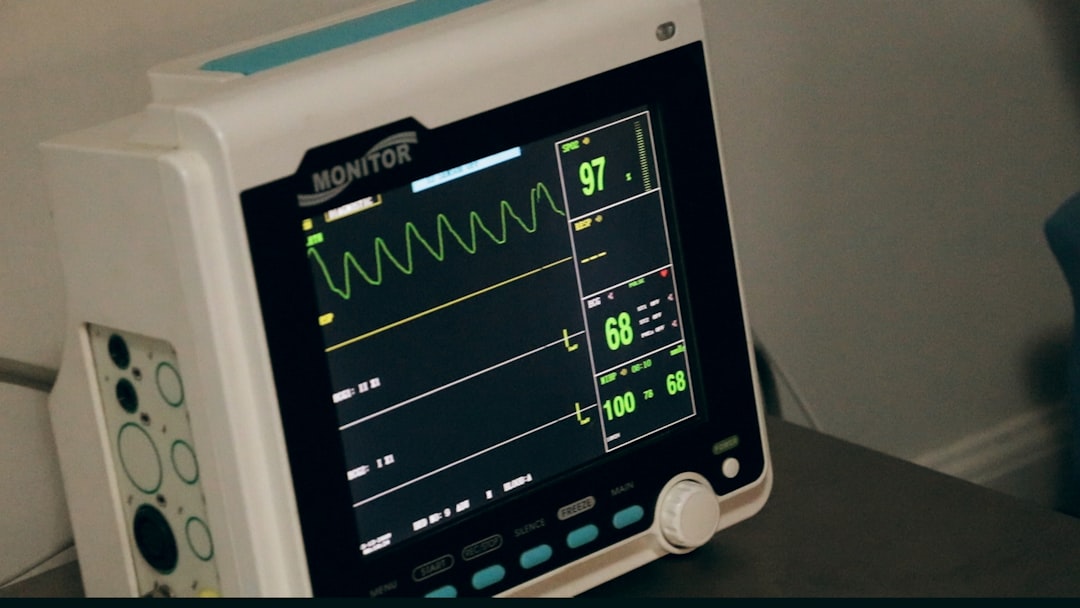
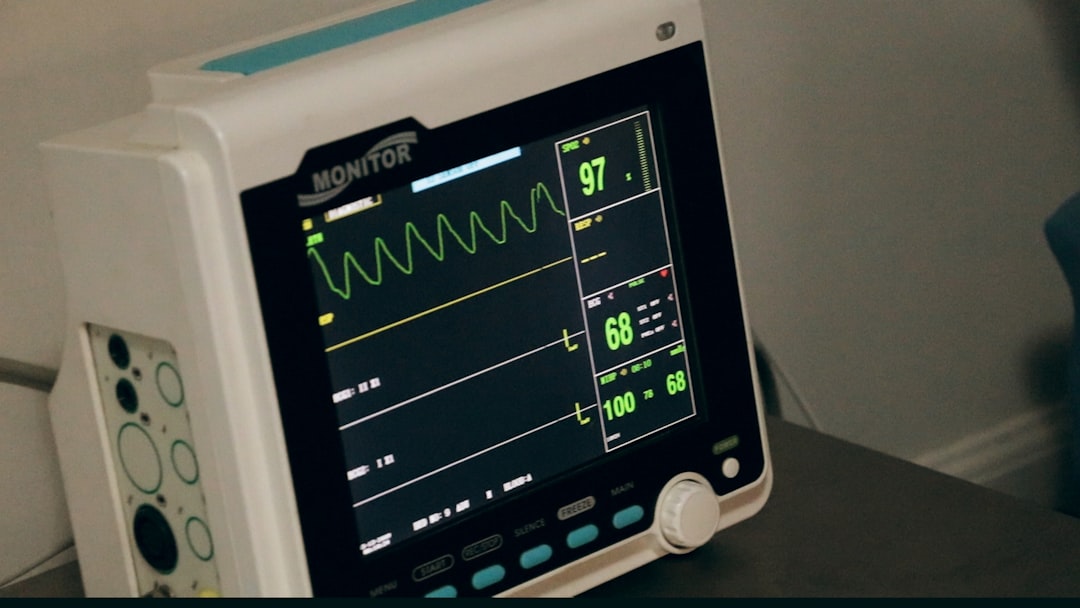
A telemetry nurse is a registered nurse who cares for patients whose heart condition must be monitored continuously. These patients are connected to an electrocardiogram (ECG) monitor that tracks their heart rhythm around the clock, and they are usually treated in step-down units, progressive care units (PCUs), or dedicated cardiac units. Telemetry sits between med-surg and ICU nursing: patients are sicker than those on a general floor but more stable than ICU patients — they do not need constant one-on-one care, but their condition can change unpredictably, so they need close observation.
Most telemetry patients are recovering from a heart attack, heart surgery, or another serious cardiac condition; others have irregular heart rhythms, chest pain, or heart failure, and some are transferred down from the ICU as they improve. What sets telemetry apart from many specialties is the focus on heart rhythm: rather than only checking a patient during routine assessments, telemetry nurses watch the rhythm throughout the shift, and when the monitor shows an abnormal pattern or warning sign, they assess the patient, decide whether immediate action is needed, notify the provider, and document accurately. Some hospitals use cardiac monitor technicians to flag changes, but the telemetry nurse remains responsible for interpreting what a rhythm means and acting on it early. (Units go by different names — step-down, PCU, intermediate care, or cardiac telemetry — but the responsibility is the same.)
What does a telemetry nurse do?
Beyond continuous heart monitoring, a telemetry nurse’s core responsibilities include:
Monitor and interpret heart rhythms. Patients wear ECG monitors, and the nurse reviews rhythms regularly to confirm they are normal and spot changes — atrial fibrillation, atrial flutter, heart blocks, supraventricular tachycardia (SVT), and premature beats among them.
Give and monitor cardiac medications. Drugs that control rhythm, lower blood pressure, prevent clots, or improve cardiac function — watching closely for effects and reporting concerns.
Recognize changes in condition. A rhythm change, a drop in blood pressure, new difficulty breathing, chest pain, or sudden fatigue or confusion triggers assessment, provider contact, or a rapid-response call.
Provide everyday nursing care. Head-to-toe assessments, medications, IV therapy, patient and family education, and collaborating on care plans.
Care for several patients at once. Typically three to four patients per shift — fewer than a med-surg assignment, because telemetry patients need closer monitoring.
Telemetry vs. med-surg vs. ICU: what’s the difference?
Telemetry is often called the bridge between med-surg and the ICU. Med-surg nurses care for stable, lower-acuity patients; ICU patients are high-acuity; telemetry patients sit in the moderate-acuity middle.
Category | Med-surg | Telemetry | ICU |
|---|---|---|---|
Patient condition | Stable to moderately ill | Moderately to seriously ill | Critically ill |
Heart monitoring | Checked at routine assessments | Continuous ECG monitoring | Continuous ECG + advanced monitoring |
Typical nurse-to-patient ratio | 4–6 patients | 3–4 patients | 1–2 patients |
Main nursing skills | Assessments, medications, wound care, education | Rhythm interpretation, cardiac meds, recognizing deterioration | Ventilator care, life-support equipment, advanced meds |
Good for new graduates? | Yes, very common | Yes, depending on the hospital | Less common (some ICU residencies exist) |
Common certification | MEDSURG-BC | PCCN (AACN) | CCRN (AACN) |
How to become a telemetry nurse
Many hospitals hire new graduates and train them, while others bring in nurses with experience elsewhere. The path:
Earn your RN license. Complete an ADN or BSN, then pass the NCLEX-RN. Both ADN and BSN graduates can work in telemetry at most hospitals, though some specialty units or large centers prefer or require a BSN.
Apply for a telemetry position. Many hospitals hire new grads into telemetry through nurse residency or orientation programs. If none are open locally, start in med-surg and transfer after one to two years.
Learn ECG rhythm interpretation. Most hospitals provide cardiac-rhythm training during orientation or require a formal ECG course. You will build this skill over time — the goal is recognizing common rhythms and knowing when a patient needs immediate attention.
Earn your ACLS certification. Many telemetry nurses are encouraged to complete ACLS, which teaches responses to cardiac emergencies. Some hospitals require it at hire; others expect it within the first few months, and many pay for it.
Telemetry nurse salary and outlook
Because telemetry nurses are RNs, pay tracks RN salaries and depends on experience, location, employer, and schedule. Nurses who work nights, weekends, or holidays usually earn shift differentials, and leadership roles like charge nurse add compensation. Hospitals in larger cities or higher-cost states — and large teaching centers — tend to pay more than smaller community hospitals, and travel assignments pay a premium in exchange for flexibility. For an accurate national baseline, the U.S. Bureau of Labor Statistics is the best source for registered-nurse wage data.
Employment for telemetry nurses is expected to stay strong as the need for cardiac care grows, and the path offers excellent career mobility — the experience prepares you for advanced roles in the ICU, cardiac care, emergency nursing, and other critical-care specialties.
Rhythm skills, PCCN certification, and the path to the ICU
The biggest advantage of telemetry is the experience: it builds the knowledge and confidence needed for advanced roles, especially the ICU. Learning heart rhythms can be challenging at first, but with daily practice you will recognize common patterns and know when action is needed (the American Heart Association’s CPR & ECC resources are a good reference). Many nurses then earn the Progressive Care Certified Nurse (PCCN) credential from the AACN — not required to work in telemetry, but a real advantage if you plan to move into the ICU or another critical-care specialty.
PCCN is designed for nurses caring for patients with complex conditions outside the ICU, and eligibility depends on the AACN’s experience requirements — check the PCCN adult eligibility page for current details. If your long-term goal is the ICU, telemetry builds the foundation: monitoring rhythms, managing cardiac medications, recognizing early deterioration, and making quick clinical decisions — the same skills ICU nurses use daily. With two to three years of experience plus ACLS and PCCN, you can transition into critical care.
Is telemetry nursing right for you?
Telemetry is rewarding but not for everyone — it suits nurses with strong observation skills, quick thinking, and the ability to stay calm when a patient’s condition changes. Before choosing the specialty, think about the work you enjoy and the environment where you perform best. If you find heart conditions and rhythm monitoring genuinely interesting, and you like caring for patients with more complex medical needs, telemetry is likely a good fit.
Written by · Verified educator
Testavia editorial
Nathan Cole
RN
Medical-Surgical nurse & health writer
Meet Nathan, a registered nurse with over five years of experience in Medical-Surgical care, based in New York City. Having worked with a wide range of patients through some of their most vulnerable moments, Nathan brings a grounded, real-world perspective to his writing on healthcare. His goal is simple: to bridge the gap between medical knowledge and everyday understanding, making health topics feel less intimidating and more empowering for everyone. When he's not caring for patients, Nathan channels his passion for medicine into writing that educates, comforts and inspires.
5+
Years in Med-Surg
Medical-Surgical
Specialty
New York City
Based in