HESI A2 Anatomy & Physiology 2026: Topics, Score & Plan
The HESI A2 Anatomy & Physiology section tests 13 body-system topic areas drawn from Elsevier's official review guide, from anatomical terminology to the cardiovascular and reproductive systems. Most programs require 70–80. It is ~30 questions and one of the tougher sections if your A&P coursework is a year behind you.
Editorial
Last reviewed · June 7, 2026
Medically reviewed
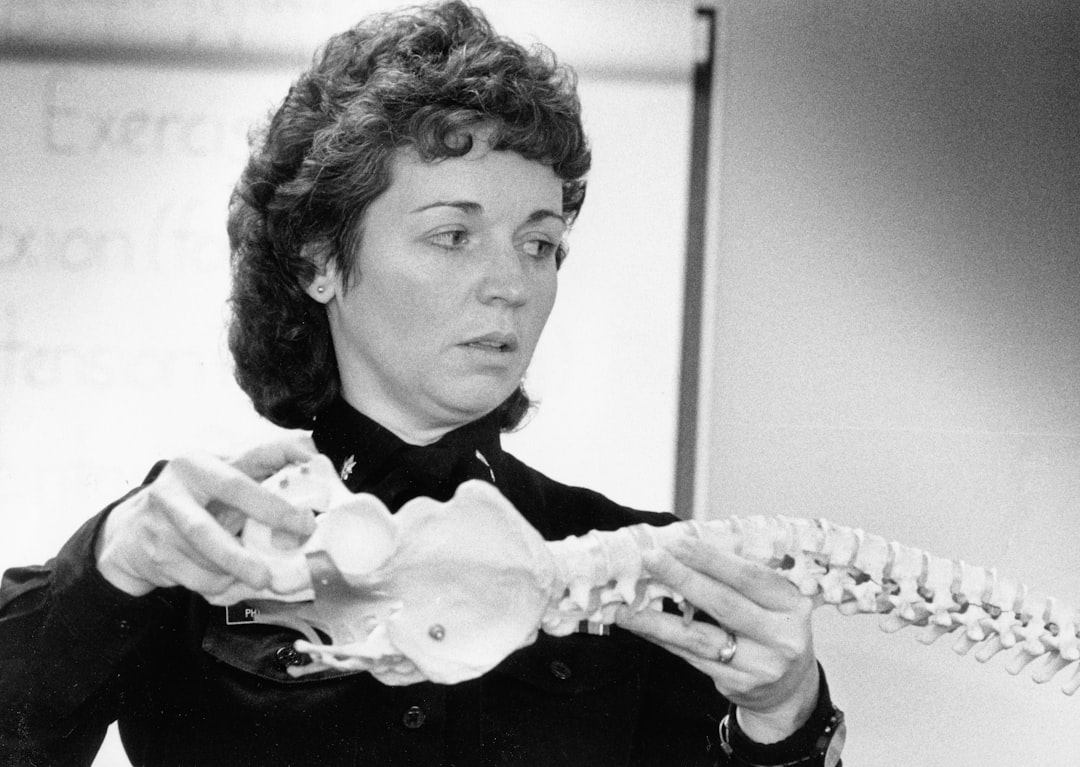
The HESI A2 Anatomy & Physiology section covers 13 body-system topic areas, from anatomical terminology and the integumentary system to the cardiovascular, respiratory, and reproductive systems, based on Elsevier's official Admission Assessment Exam Review study guide. Most programs require a score of 70 to 80 on this section, although you should verify the requirement with your school. The A&P section is commonly reported as one of the more challenging sections for candidates whose prerequisite Anatomy and Physiology coursework was completed more than a year before taking the exam.
You have studied and completed your coursework. A&P I, A&P II, maybe both. You put in the time, passed the exams, and moved on. Now the HESI A2 is asking you to prove it all over again, except this time in 30 questions, across 13 body systems, on a test that decides whether you get into nursing school.
That pressure is real. Over 450,000 students enroll in Anatomy and Physiology courses in the U.S. every year, and roughly 30-40% do not complete the course on the first attempt. The ones who do complete it still face the HESI A2 A&P section, often a year or two after their last lecture, with the material already fading.
The HESI A2 Anatomy and Physiology section is built and scored by Elsevier. It tests 13 specific body-system topic areas drawn directly from their official Admission Assessment Exam Review study guide. Most nursing programs require a minimum score of 70 to 80 on this section, though the cutoff is set by your school, not Elsevier.
For the full exam overview, see what the HESI A2 exam is, and for the numbers section, our HESI A2 math guide. This guide walks you through exactly what is on the HESI A2 anatomy and physiology section, how the scoring works, which topics carry the most weight, and how to structure your prep in three focused weeks.
What Is on the HESI A2 Anatomy and Physiology Section?
The HESI A2 anatomy and physiology section tests 13 body-system topic areas. Every topic comes directly from Elsevier's official Admission Assessment Exam Review study guide, which means the content map is not a mystery. It is published, structured, and fully studyable.
What the section covers:
\# | Topic Area | What Gets Tested |
|---|---|---|
1 | Body organization and anatomical terminology | Planes, directional terms, organ systems, homeostasis |
2 | Integumentary system | Skin layers, accessory structures, wound healing |
3 | Skeletal system | Bone types, joints, axial vs. appendicular skeleton |
4 | Muscular system | Muscle types, contraction mechanism, major muscle groups |
5 | Nervous system | CNS vs. PNS, neuron structure, reflex arc, ANS divisions |
6 | Special senses | Eye and ear anatomy, taste, smell, balance |
7 | Endocrine system | Glands, hormones, feedback loops, diabetes mellitus basics |
8 | Cardiovascular system | Heart anatomy, cardiac cycle, blood vessel types, blood pressure |
9 | Lymphatic system | Lymph nodes, spleen, immunity basics |
10 | Respiratory system | Upper and lower airways, gas exchange, lung volumes |
11 | Digestive system | GI tract structure, accessory organs, digestion and absorption |
12 | Urinary system | Kidney anatomy, nephron, urine formation, fluid balance |
13 | Reproductive system | Male and female anatomy, menstrual cycle, fertilization basics |
One thing worth knowing before you start studying. The HESI A2 A&P section does not test cellular-level biochemistry or detailed histology. The focus is organ-system structure, function, and the clinical connections between them. Keep that framing in mind when you decide what to review and what to skip.
How Many Questions Are on the HESI A2 A&P Section?
The HESI A2 A&P section contains 30 questions. All of them are multiple choice with four answer options and one correct answer. No trick formats and no fill-in-the-blank. Just single-best-answer questions that test whether you understand body systems well enough to apply what you know.
The questions fall into two types.
Direct Recall Questions
These test whether you know a structure, its name, or its function. A typical example would be: "Which structure prevents food from entering the trachea during swallowing?" The answer is the epiglottis. Straightforward, but only if you have studied the material.
Scenario-Based Questions
These test clinical application. You might get: "A patient has damage to the myelin sheath of their motor neurons. Which function would be most affected?" You need to understand what myelin does before you can work out the right answer. This is why passive reading rarely works for the HESI A2 anatomy and physiology questions section. You need active recall.
Elsevier does not set a per-section time limit. Your program determines how long you have. Most candidates report finishing the A&P section in 20 to 30 minutes. Your score appears on screen immediately after you complete the section, so there is no waiting period to find out where you stand.
Worth noting as well. The A&P section is not adaptive like the NCLEX CAT format. You receive a fixed question set. Answer every question because there is no penalty for guessing.
What Score Do You Need on the HESI A2 A&P Section?
Scores are reported on a 0 to 100 scale. The formula is simple. Correct answers divided by total questions multiplied by 100 gives you your HESI A2 anatomy and physiology score. Miss 6 questions on a 30-question section and you are already at 80. Every question carries real weight.
Most nursing programs set a minimum of 70 to 80 on the A&P section. Some competitive BSN programs look specifically for 80 or above as part of their composite review. West Coast University uses HESI A2 scores as part of its nursing admissions process with defined section benchmarks.
The critical point is that Elsevier does not set a universal passing score. Your school does. Before you start studying, go directly to your program's admissions page and find the exact cutoff required. Do not assume 70 is sufficient just because a prep site said so.
What Happens If You Miss the Cutoff?
Missing the cutoff is not the end of your application. Most programs allow retakes of the full exam or individual sections, with a 60-day waiting period between attempts. That waiting period plus the retake cost is the real consequence. Use it as motivation to prepare seriously the first time around.
Aim for 80 or above. A score of 70 clears the bar at most programs. A score of 80 makes you competitive. The difference between the two is not intelligence. It is specificity of preparation.
How To Study for the HESI A2 A&P Section: A 3-Week Plan
The most common mistake candidates make is pulling out their old A&P textbook and working through it from chapter one. That book is 700 to 900 pages long. The HESI A2 anatomy and physiology study guide from Elsevier covers the same testable content in a single focused chapter. Work the chapter, not the full textbook.

The principle is simple. Study what the exam tests, in the structure the exam tests it, and practice questions after every system you review.
Week 1: Audit and Foundation
Day 1 to 2: Get the Elsevier HESI Admission Assessment Exam Review. Read the A&P chapter introduction and go through all 13 topic areas. Rate your honest confidence level on each one.
Day 3 to 5: Cover body organization, integumentary, skeletal, and muscular systems. Use labeled diagrams for each. Work through structure first and then function and then clinical relevance.
Day 6 to 7: Take the end-of-chapter practice questions in the Elsevier guide. Every wrong answer goes on a dedicated list for targeted review in Week 2.
Week 2: High-Density Systems
Day 8 to 10: Nervous system, special senses, and endocrine system. These three are the most concept-dense areas for the majority of candidates. For the nervous system, focus on CNS versus PNS organization and the reflex arc and ANS divisions. For the endocrine system, learn your gland-hormone pairs and understand how negative feedback loops regulate hormone levels.
Day 11 to 12: Cardiovascular, lymphatic, and respiratory systems. Trace blood flow through the heart until you can do it without checking your notes. Understand gas exchange at the alveolar level and the difference between pulmonary and systemic circulation.
Day 13 to 14: Practice quiz covering all Week 1 and Week 2 material. Target 80 percent or above before moving into Week 3.
Week 3: Digestive, Urinary, Reproductive and Full Review
Day 15 to 16: Digestive, urinary, and reproductive systems. Know where nutrient absorption primarily happens (the small intestine) and the nephron sequence from filtration through to excretion and the phases of the menstrual cycle.
Day 17 to 19: Full-length timed HESI A2 anatomy and physiology practice test covering all 13 topic areas. Review every wrong answer using the Elsevier study guide page for that specific topic.
Day 20 to 21: No new material. Use these two days to revisit your personal weak-topic list from the previous 19 days.
Three weeks is enough time if you go topic by topic through the official content map. The mistake is spending Week 1 on general A&P review when the exam only tests 13 specific systems in a defined way.
If you want a fully structured path through all of this without building it yourself, Testavia is the prep platform built specifically for nursing school applicants. Their HESI A2 prep course includes over 200 A&P practice questions organized by body system so you drill each system to mastery before moving to the next. With a 99 percent pass rate and topic-based video lessons and smart weekly study plans, Testavia gives you everything you need to walk into the exam confident. Start with a free diagnostic and find out which systems need your attention before your exam date.
High-Yield A&P Topics: What Comes Up Most
Elsevier does not publish question-frequency data for the HESI A2 anatomy and physiology topics. What follows is drawn from what nursing applicants consistently report after sitting the exam. Treat it as a priority guide for your study schedule, not a guaranteed question list.
The 5 Systems Candidates Report Most Frequently
1. Cardiovascular System
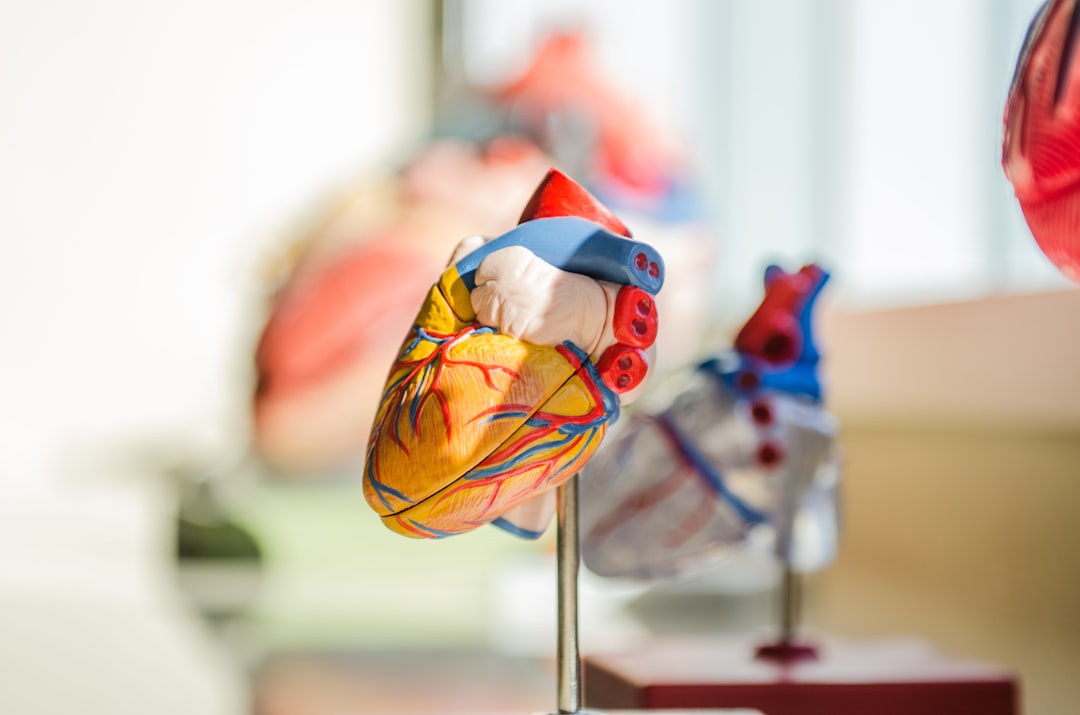
Blood flow through the heart is the single most reported topic area. Know the four chambers and the four valves and the pathway blood takes through pulmonary and systemic circulation. Understand what determines blood pressure and how the heart rate and stroke volume connect to cardiac output.
2. Nervous System
CNS versus PNS organization comes up consistently. Know the difference between sympathetic and parasympathetic effects on the body and which neurotransmitters drive each pathway. Acetylcholine drives parasympathetic responses. Norepinephrine drives sympathetic ones. Know the reflex arc and be clear on which structures belong to the central nervous system versus the peripheral nervous system.
3. Endocrine System
Learn your gland-hormone pairs until they are automatic. Pancreas produces insulin and glucagon. Thyroid produces T3 and T4. Adrenal glands produce cortisol and epinephrine. Understand negative feedback as a control mechanism and apply it to scenarios involving hormone excess or deficiency. This is exactly the kind of clinical thinking the scenario-based questions target.
4. Respiratory System
Gas exchange at the alveoli is the most testable concept in this system. Know how oxygen and carbon dioxide move across the alveolar-capillary membrane and understand the pressure gradients that drive diffusion. Tidal volume and vital capacity are the two lung volume measurements most frequently referenced in candidate-reported questions.
5. Urinary System
The nephron is the most tested structure in this entire system. Know each stage of urine formation from glomerular filtration through tubular reabsorption and secretion to final excretion. Understand how the kidneys regulate blood pressure through the renin-angiotensin-aldosterone system and their role in maintaining electrolyte balance.
Lower-Yield but Still Testable
These systems appear less frequently but are not safe to skip entirely.
Integumentary: The layers of the skin from deep to superficial and the stages of wound healing
Lymphatic: Lymph node locations throughout the body and the spleen's role in immune response
Reproductive: The phases of the menstrual cycle and where fertilization takes place (the fallopian tube)
Special senses: Eye anatomy including the cornea and lens and retina and ear anatomy covering the cochlea and semicircular canals
If your exam is two weeks away and your study time is limited, concentrate on the five high-yield systems first. They account for the majority of candidate-reported questions on the HESI A2 A&P section and give you the strongest return on every hour you put in.
The Study Materials That Actually Work for HESI A2 A&P
Not all prep resources are equal. Some third-party HESI study books use unofficial topic lists that do not match what Elsevier actually tests. Choosing the wrong resource is one of the most common reasons candidates score below their actual ability level.
Primary Resource
Elsevier HESI Admission Assessment Exam Review (current edition)
This is the only resource written by the same company that creates the exam. The A&P chapter maps directly to the 13 tested topic areas and includes end-of-chapter practice questions with answer rationales. If you only use one resource, this is the one.
Supporting Resources for Anatomy and Physiology for HESI A2
Elsevier's Anatomy and Physiology by Patton and Thibodeau
This textbook aligns closely with the content domain the HESI A2 draws from. Use it as a reference when the Elsevier study guide covers a topic briefly and you need more depth on a specific system. It is not a replacement for the study guide. It is a supplement for the areas where you need more context.
What to avoid: Third-party HESI prep books that do not reference the Elsevier study guide as their content source. If a book does not list its topic areas against Elsevier's official chapter structure, there is no way to know whether it covers the right material. Verify any resource against the official Elsevier guide before investing time in it.
Using Practice Questions Correctly
Practice questions are not just a self-assessment tool. They are the most effective way to build the active recall the scenario-based questions demand. After every system you study, take a set of questions on that system before moving forward. Wrong answers are not failures. They are the most efficient study signal you have.
A timed full-length HESI A2 anatomy and physiology practice test in Week 3 is non-negotiable. Timing matters because knowing the material and knowing it under exam conditions are two different things. A timed test in Week 3 shows you whether you are truly ready or whether you need two more days on a specific system.
Written by · Verified educator
Testavia editorial
Nathan Cole
RN
Medical-Surgical nurse & health writer
Meet Nathan, a registered nurse with over five years of experience in Medical-Surgical care, based in New York City. Having worked with a wide range of patients through some of their most vulnerable moments, Nathan brings a grounded, real-world perspective to his writing on healthcare. His goal is simple: to bridge the gap between medical knowledge and everyday understanding, making health topics feel less intimidating and more empowering for everyone. When he's not caring for patients, Nathan channels his passion for medicine into writing that educates, comforts and inspires.
5+
Years in Med-Surg
Medical-Surgical
Specialty
New York City
Based in