Infusion Nurse: The Specialty Built on One Skill
Most nursing specialties are defined by a patient population. Infusion nursing is defined by a procedure — vascular access and the safe delivery of fluids, medications and blood products. An infusion nurse might place a line for a neonate in the morning and run chemotherapy for an older adult that afternoon.
Editorial
Last reviewed · August 9, 2026
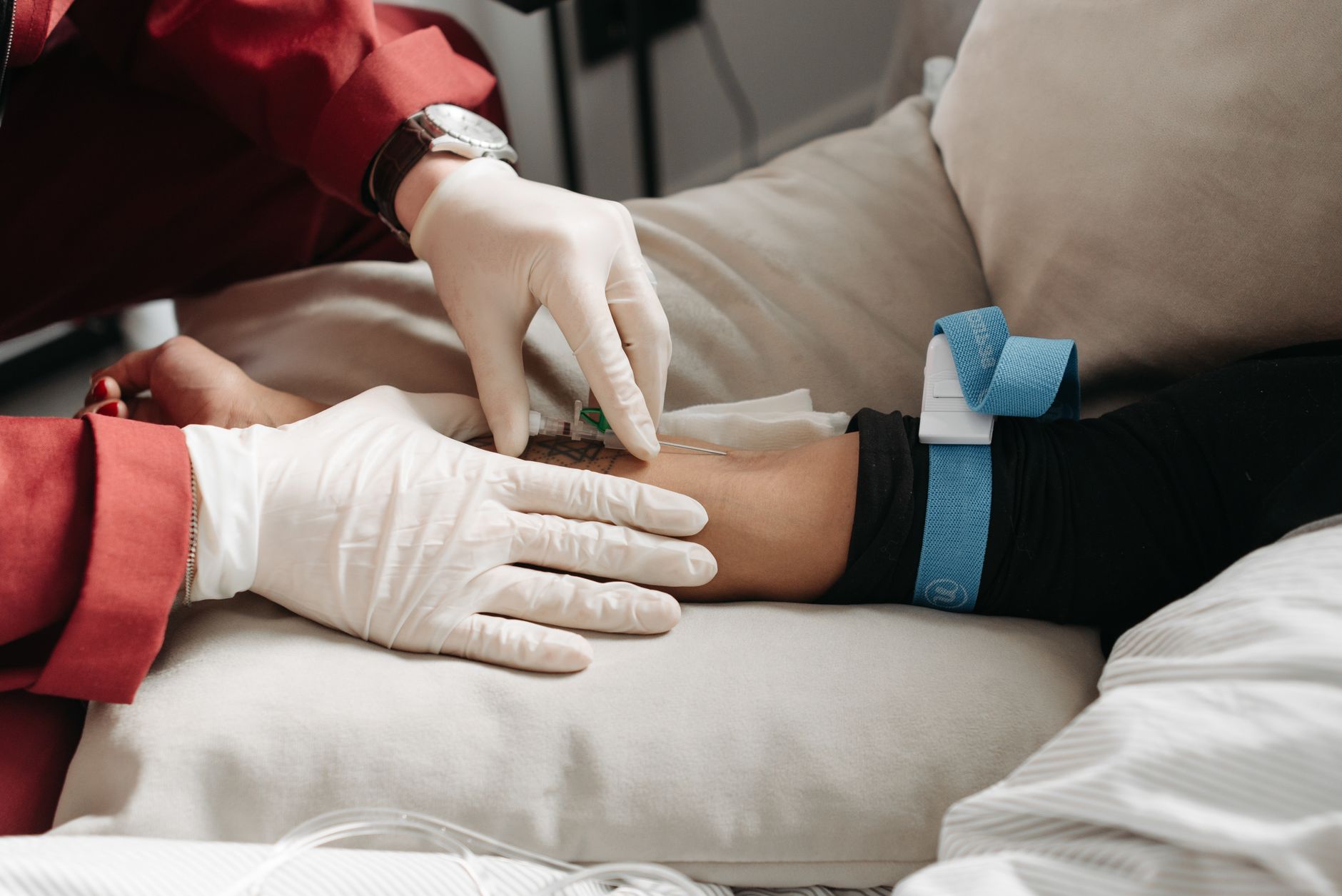
Basic Infusion therapy is taught in almost every nursing school, yet many nurses rarely perform it after graduation. An infusion nurse however, centers the entire practice on this work. Intravenous therapy nursing is a specialty that provides advanced knowledge to nurses to deliver IV infusions to patients of all ages. The skilled professionals are then able to place lines, manage vascular access devices, troubleshoots complications, and administers medications through veins, arteries, and central lines.
Is this a career you’d be exploring? Below is a practical look at what infusion nurses do, how the CRNI credential works, and whether the specialty fits your next career move.
What does an infusion nurse do?
An infusion nurse is a registered nurse whose specialty is the administration of fluids, medications, blood products, and nutritional support directly into a patient's bloodstream. These professionals play a critical role in caring for patients who need ongoing or complex IV treatments, such as those with chronic conditions, infections, or conditions like cancer. The Journal of Infusion Nursing states that about 80% of hospital patients receive peripheral IV fluid administration, with nurses being vital in preventing complications during this procedure.
The daily work involves a wide range of tasks, including:
starting peripheral IVs
placing and maintaining various lines, such as Peripherally inserted central catheters (PICC) lines and midline catheters
delivering medication, nutrients, and fluids, transfusing blood products
managing long-term central lines for patients who need ongoing treatment.
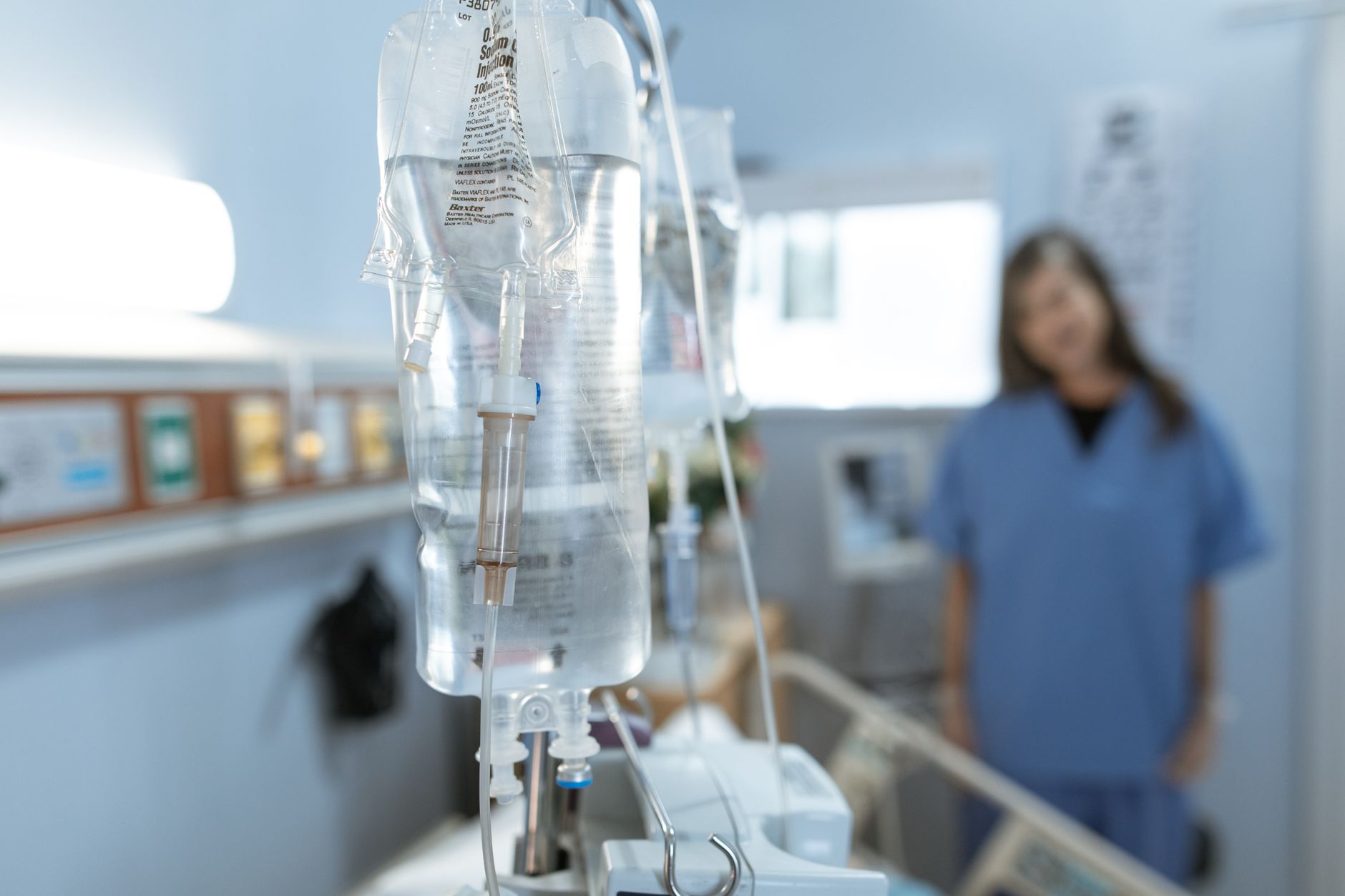
It’s the duty of Infusion nurse to also evaluate the patient's vascular condition, select the most appropriate access device, insert it using sterile technique, and maintain it for the duration of therapy. She’ll also check the vital signs and closely monitor the patient for infiltration, phlebitis, infection, and other complications and side effects.
Patient education is also part of the role. Many infusion therapies continue even after discharge. The nurse must then educate and explain to the patients and caregivers how to manage pumps, recognize warning signs, and maintain sterile technique at home. They also coordinate with pharmacists, physicians, and the rest of the care team.
The infusion nurse must also document every procedure about the infusion process, such as medications administered, and how the patient responded. This helps maintain continuity of care and allows the healthcare team to track any issues.
The Infusion Nurses Society sets the standards of practice for this specialty. Their guidelines cover everything from catheter selection and insertion technique to flushing protocols and complication management. Following these standards is important for protection of patients and reduction of risks for both the nurse and the employing institution.
A specialty defined by a skill
Most nursing specialties are defined by a patient population: pediatric nurses care for children, oncology nurses focus on cancer patients, cardiac nurses look for patients with heart conditions. Infusion nursing however, is defined by a technique: Vascular access and the safe delivery of infused therapies. This technique can apply to almost any patient population, from a newborn who needs antibiotic to an elderly patient with receiving palliative hydration
This focus creates a unique professional identity. An infusion nurse might support a neonate in a NICU in the morning and an elderly patient receiving chemotherapy in an outpatient center in the afternoon. The anatomy, medications, and emotional context changes, but the core skill- vascular access stays the same.
The depth of that skill is what distinguishes an infusion nurse from a generalist who occasionally starts an IV. Peripheral IV insertion is just the starting point. The specialty demands proficiency with devices including midline catheters, PICC lines, tunneled central venous catheters, implanted ports, and arterial lines. Each device has specific indications, insertion techniques, maintenance needs, and complication profiles.
That proficiency is formalized through certification. The Infusion Nurses Society (INS) and its credentialing arm, the Infusion Nurses Certification Corporation (INCC), offer the Certified Registered Nurse Infusion(CRNI®) credential. The CRNI® carries dual accreditation from the National Commission for Certifying Agencies (NCCA) and the American Board for Specialty Nursing Certification (ABSNC).
CRNI® eligibility criteria
A current, active, unrestricted registered nurse (RN) license in the United States
A minimum of 1,600 hours of infusion therapy experience within the past two years
Experience may come from clinical practice, administration, education, or research within the infusion specialty (direct bedside hours are not required)
What the Exam Covers
The CRNI® exam includes 140 administered four-option, multiple-choice questions. Candidates are scored on 120 of them. The exam content is organized into three core content areas that are drawn from the results of the Role Delineation Study that keeps the exam aligned with actual practice.
Focus Area | No. of Questions | % Share of Exam |
|---|---|---|
Principles of Practice | 35 | 29% |
Access Devices | 39 | 33% |
Infusion Therapies | 46 | 38% |
Total scored items | 120 | 100% |

NOTE: Not every infusion nurse holds a CRNI®, as many nurses do infusion-focused work every shift without the credential. But for nurses who want to signal deep expertise, especially those eyeing charge, education, or consultant roles, the CRNI® is the mark employers and peers recognize.
Written by · Verified educator
Testavia editorial
Nathan Cole
RN
Medical-Surgical nurse & health writer
Meet Nathan, a registered nurse with over five years of experience in Medical-Surgical care, based in New York City. Having worked with a wide range of patients through some of their most vulnerable moments, Nathan brings a grounded, real-world perspective to his writing on healthcare. His goal is simple: to bridge the gap between medical knowledge and everyday understanding, making health topics feel less intimidating and more empowering for everyone. When he's not caring for patients, Nathan channels his passion for medicine into writing that educates, comforts and inspires.
5+
Years in Med-Surg
Medical-Surgical
Specialty
New York City
Based in