NCLEX Case Study Questions 2026: Unfolding Format & the CJMM
NCLEX case study questions are unfolding clinical scenarios: clusters of 6 items on one evolving patient, each scored on its own via the Clinical Judgment Measurement Model. Here's the 6-item structure, how partial-credit scoring works, and free NGN practice items with full rationales.
Editorial
Last reviewed · June 4, 2026
Medically reviewed
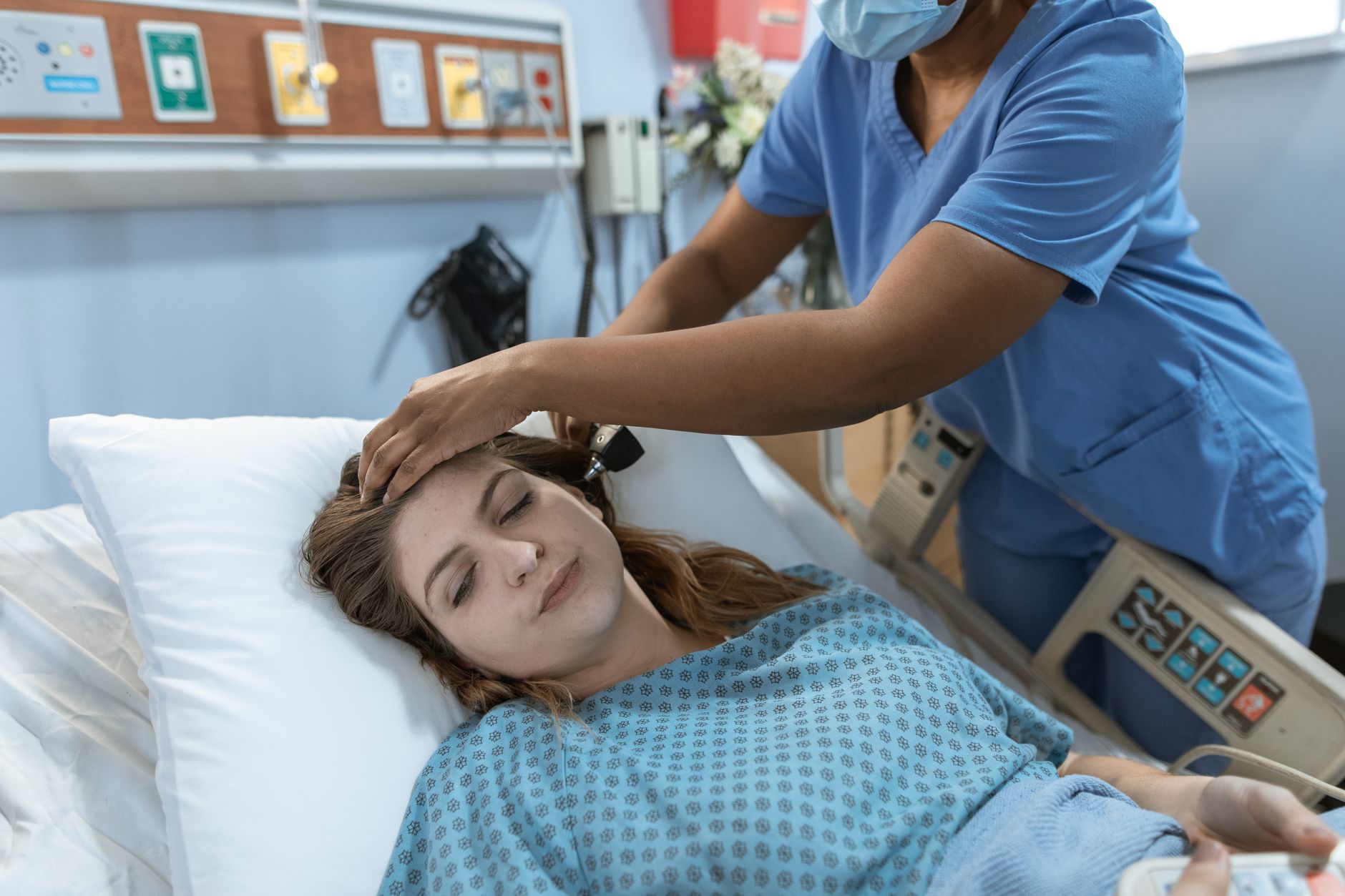
Picture this: your diabetic patient was okay an hour ago, now they are trembling and confused. What do you do? This shifting clinical reality is what is tested on NCLEX case studies. The questions appear in an unfolding case study NCLEX format that consists of clusters of 6 related items. The items are built around one patient scenario that evolves from admission through outcome.
According to the NCSBN's NGN documentation each item is scored on its own. It covers all CJMM layers: recognize cues, analyze cues, prioritize hypotheses, generate solutions, take action, and evaluate outcomes. In this article, we’ll explain how unfolding case studies work, walk you through the CJMM structure step by step, and provide free practice questions to test yourself. You can also build that same clinical judgment with more practice on Testavia.
What Is an NCLEX Case Study Question?
A NCLEX case study question is a realistic patient scenario that is followed by several questions about the same patient. Instead of answering one standalone item, you need to go through the patient's clinical information.
This includes:
The patient's history
Vital signs
Evaluation results
Laboratory results
Doctor's orders
Then you answer a series of questions that require you to use clinical judgment, determine priorities, recognize changes in the patient’s condition, and select the appropriate nursing action.
These case studies are called "unfolding" because new information is given as you move through the scenario. For example, new vital signs, new lab results, or changes in the patient’s condition might require you to reconsider your next steps. NCLEX uses this format because a patient's condition in the real world changes. They improve, deteriorate or respond to treatment over time. The unfolding case study tests whether you can adapt your clinical judgment when new information comes up.
The six items in the case study are designed to measure this ability. They are designed to flow through the Clinical Judgment Measurement Model in sequence. From recognizing important cues in the patient’s chart, analyzing what those cues mean, prioritizing the patient’s most urgent problem, deciding on the appropriate nursing actions, and evaluating the effectiveness of those actions. This method allows the NCLEX to test whether you can apply patient information to make safe clinical decisions as the situation progresses.
The 6-Item Unfolding Case Study Structure
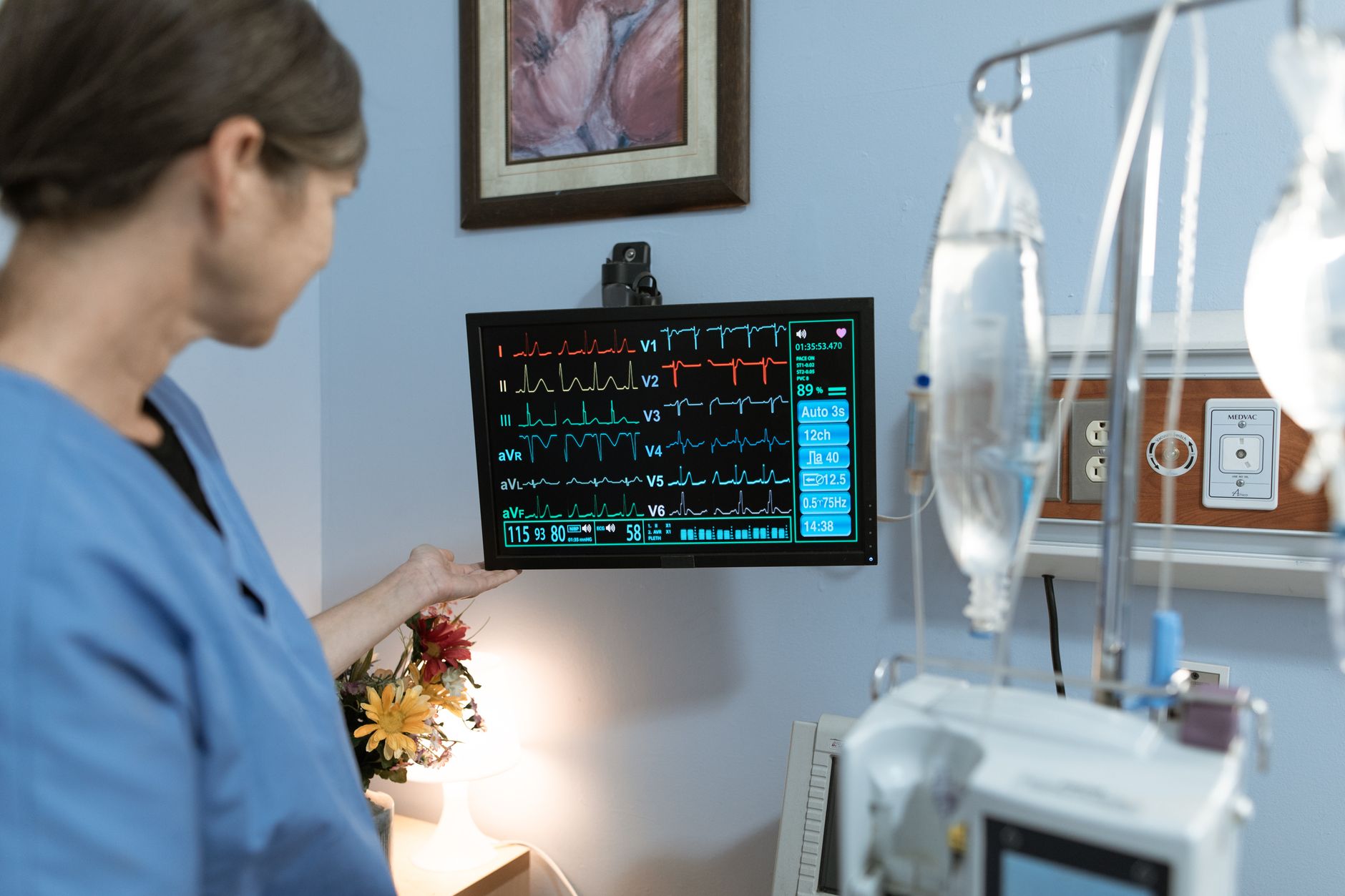
The NCLEX unfolding case scenario follows the same six-item structure for all its questions. Once you master what each question is trying to test, the case study becomes easy to navigate. Lets use an example to help you understand the 6 items easily. Suppose you have a 68-year-old patient who is admitted with pneumonia. During your assessment, you notice that the patient is short of breath, has an oxygen saturation of 88%, a respiratory rate of 28 breaths per minute, and a temperature of 101.8°F.
Item 1: Recognize Cues
This question asks you to note the important findings. Here, low oxygen saturation, fast breathing, fever and breathing difficulty are all important signs that need to be addressed.
Item 2: Analyze Cues
Next, you should figure out what the findings mean. In this case, fever, shortness of breath and low oxygen levels suggest that the patient’s pneumonia may be interfering with oxygen exchange and worsening respiratory function.
Item 3: Prioritize Hypothesis
Now, you have to determine which issue is more pressing. Here, the patient has a number of problems but the priority is impaired oxygenation as problems with breathing can quickly become life threatening.
Item 4: Generate Solutions
At this point you will think about possible interventions.They may include: supplemental oxygen, positioning the patient upright, encouraging deep breathing, and notifying the health care provider.
Item 5: Take Action
Next, you will decide which is the best action to perform first. In this scenario, because the patient's oxygen concentration is low, administering oxygen and improving airway support would be the priority.
Item 6: Evaluate Outcomes
The final step is to determine if your intervention has worked. If oxygen therapy is initiated and the patient's oxygen saturation improves from 88% to 95% and breathing becomes easier. This means that the intervention was effective.
Here is the 6-item structure at a glance
Item | CJMM Step | What It Tests |
|---|---|---|
1 | Recognize Cues | Identify important patient findings |
2 | Analyze Cues | Determine what the findings mean |
3 | Prioritize Hypotheses | Identify the most urgent problem |
4 | Generate Solutions | Consider possible interventions |
5 | Take Action | Choose the best nursing action |
6 | Evaluate Outcomes | Determine whether the intervention worked |
How Are NCLEX Case Studies Scored?
Did you know that for NCLEX case studies you don't have to get every answer correct to earn credit? That's because it uses a partial-credit scoring system that earns you points for selecting correct answers even without answering every part of the question. This is different from the traditional scoring system where a single mistake can cost you the entire exam. According to NCSBN's NGN documentation, your exam includes three scored case studies, totaling 18 questions, and each item is scored using one of three specific methods:
0/1 scoring,
+/- scoring
Rationale scoring
0/1 Scoring
This method awards one point for each correct response. No points are deducted for wrong responses. For example, A patient with pneumonia has an oxygen saturation of 84%. The question asks which action the nurse should take first.
Administer oxygen ✔️
Offer a meal
Assist with bathing
Document findings and reassess later
If you select Administer oxygen, you receive full credit. Any other answer receives no credit.
+/- Scoring
In this method, you are awarded one point for each correct response and deducted one point for each incorrect response. If your final score is negative, it is truncated to zero. For example, a question asks you to select the signs of fluid overload. The options are:
Crackles in the lungs✔️
Peripheral edema ✔️
Weight gain ✔️
Dry mucous membranes ❌
Hypotension ✔️
If you select 4 correct options and one is incorrect, your score is 4 minus 1, for a total point of 3 for that item.
All-or-Nothing Scoring/ Rationale Scoring
This method is applied to paired or grouped responses, such as a dyad (two-part) or triad (three-part) item, generally in a fill-in-the-blank or drop-down format. You only get credit if you get both parts of the pairing correct . If you get one part correct , you get no credit .
Example: A dyad item states: "The client is at highest risk for developing _____ as evidenced by _____."” If you get the right risk, say fluid volume deficit, but you pick the wrong supporting evidence, then you get 0 for that item even though half your answer is correct.
Free NCLEX Case Study Practice Questions
If you are looking for NCLEX case study practice questions, you should know that not all questions labelled 'NCLEX case study' test for what is in the exam. The right NGN case study practice questions cover all six CJMM items. It should also include a variety of NGN question types like matrix, bow-tie, highlight, drag-and-drop, or multiple-response items. In addition to this, each question should have a detailed rationale that explains the correct answer and the clinical judgement skill being tested.
Below is a NCLEX unfolding case study example that is built to standard. If you want more practice like it, Testavia's NCLEX case study bank has additional clusters built the same way.
Patient Scenario
A 74 year old patient is admitted to the medical-surgical unit with a diagnosis of community-acquired pneumonia. Vital signs at admission: temperature 100.9°F, heart rate 96 beats per minute, respiratory rate 22, blood pressure 132/82 mmHg, oxygen saturation 93% on room air. The patient also reports productive cough and mild shortness of breath. IV fluids and IV antibiotics are started as per provider orders.
Item 1: Recognize Cues
The nurse reviews the admission assessment. Which findings should the nurse highlight as relevant to the patient's current respiratory status?
Findings to review: temperature 100.9°F, productive cough, oxygen saturation 93%, respiratory rate 22, blood pressure 132/82 mmHg, reports of mild shortness of breath.
Correct selections: Productive cough, oxygen saturation 93%, respiratory rate 22, mild shortness of breath.
Rationale:The findings of low oxygen saturation, rapid breathing, cough and shortness of breath are most relevant as they are direct indicators of worsening respiratory status. Blood pressure is normal and not an immediate concern in this situation.
Item 2: Analyze Cues (Multiple Choice)
Based on the admission findings, what do the patient's oxygen saturation and respiratory rate most likely indicate?
The patient is experiencing anxiety related to hospitalization
The patient has impaired gas exchange related to pneumonia
The patient is developing a pulmonary embolism
The patient's findings are within expected limits for age
Correct answer: B
Rationale: The patient's oxygen saturation of 93%, respiratory rate of 22 and productive cough are indicative of impaired gas exchange caused by pneumonia. The other options do not match the clinical picture presented.
Item 3: Prioritize Hypothesis (Matrix)
For each potential problem below, indicate whether it is a high priority or low priority based on the patient's current presentation.
Potential Problem | High Priority | Low Priority |
|---|---|---|
Impaired gas exchange | ✓ | |
Risk for falls | ✓ | |
Ineffective airway clearance | ✓ | |
Altered nutrition | ✓ |
Rationale: The highest priorities are impaired gas exchange and ineffective airway clearance because these directly affect the patient’s breathing and oxygenation. The other problems are important, but not immediately life threatening.
Update:The nurse reassesses the patient. New vitals: Temp 101.8°F, HR 112 bpm, RR 28, BP 98/58 mm Hg, SpO2 89% on room air. Now, the patient is a little confused and restless, unlike the alert patient that came in.
Item 4: Generate Solutions
What two actions should the nurse plan to implement based on the change in the patient’s condition?
Apply supplemental oxygen per protocol
Encourage the patient to walk in the hallway
Notify the provider of the status change.
Discontinue the IV antibiotics
Limit oral fluids to the patient
Correct answers: A and C
Rationale: Patient’s respiratory status is worsening and there is evidence of sepsis requiring immediate interventions like administration of supplemental oxygen and notification of the provider. Other options are not appropriate for an unstable patient.
Item 5: Take Action
Which action should the nurse take first?
Document the new vital signs in the chart
Apply supplemental oxygen
Call the patient's family to update them
Reassess the patient again in one hour
Correct answer: B
Rationale: Supplemental oxygen is the priority intervention as it directly corrects the patient’s low oxygen saturation. The other actions are important, but they do not meet the immediate physiological need.
Item 6: Evaluate Outcomes (Bow-tie)
The patient receives supplemental oxygen and the provider is notified. Thirty minutes later, the patient's oxygen saturation is 95%, respiratory rate is 20, and the patient is alert and oriented.
Center: Patient's primary condition: Resolving hypoxia secondary to pneumonia Left (select 2 actions that contributed to improvement): Supplemental oxygen application; Provider notification leading to further orders Right (select 2 parameters confirming improvement): Oxygen saturation increased to 95%; Return to baseline mental status
Rationale: The patient's improved oxygen saturation and mental status show that the interventions were effective and the desired outcome was achieved.
How to Approach NCLEX Case Study Questions
Now that you know the structure of a NCLEX case study question, you might be wondering how you would approach the questions in an exam. Although these questions can be tough because they test your real world clinical judgement, you can master them with the right strategy. Here are 5 principles on how to do NCLEX case studies:
Read the Initial Scenario Completely
Before you proceed to answer any questions, take a minute to understand the patient's condition. You can check their medical history, vital signs, lab results and the doctor's comments. This will set a foundation context for the entire cluster.
Re-Read the Scenario Update After Each Item
You should keep in mind that the patient's condition is prone to change. A patient may show new vital signs, lab results or a symptom by item 4. That's why you should train yourself to pause and ask ” what's different now?” when new information appears. The changes, no matter how small, can alter the priority problem and change the answer to the next questions.
Treat Each Item as Independent
Do not let your answer to item 2 cloud your answer for item 3. That's because each item has the correct answer based on the information available to that point.
Match Your Cognitive Mode to the CJMM Layer
Before you answer any question, ask yourself which layer of the CJMM the question is testing. For example, if the question tests recognize cues, your mind should be looking for the findings that are relevant in that situation and not diagnosing the patient.
Maximize Partial Credit on Multi-Select Items
When working on a highlight, matrix, bow-tie, or multiple-response item, select all items you think are correct. The Next Generation NCLEX uses partial credit scoring on these types of questions. This means you can get credit for correct choices even if you don’t answer every part of the question perfectly. So, if you are unsure about one part of the question, don’t leave a choice blank just because you are unsure.
Written by · Verified educator
Testavia editorial
Nathan Cole
RN
Medical-Surgical nurse & health writer
Meet Nathan, a registered nurse with over five years of experience in Medical-Surgical care, based in New York City. Having worked with a wide range of patients through some of their most vulnerable moments, Nathan brings a grounded, real-world perspective to his writing on healthcare. His goal is simple: to bridge the gap between medical knowledge and everyday understanding, making health topics feel less intimidating and more empowering for everyone. When he's not caring for patients, Nathan channels his passion for medicine into writing that educates, comforts and inspires.
5+
Years in Med-Surg
Medical-Surgical
Specialty
New York City
Based in