NP vs PA: Education, Scope, Salary & How to Choose
NP or PA? Both diagnose, treat, and prescribe with strong pay and job security — but the choice really comes down to the nursing model vs. the medical model. Here’s how the two compare on education, scope and autonomy, salary, and specialty mobility, plus a checklist to pick the right path for your background.
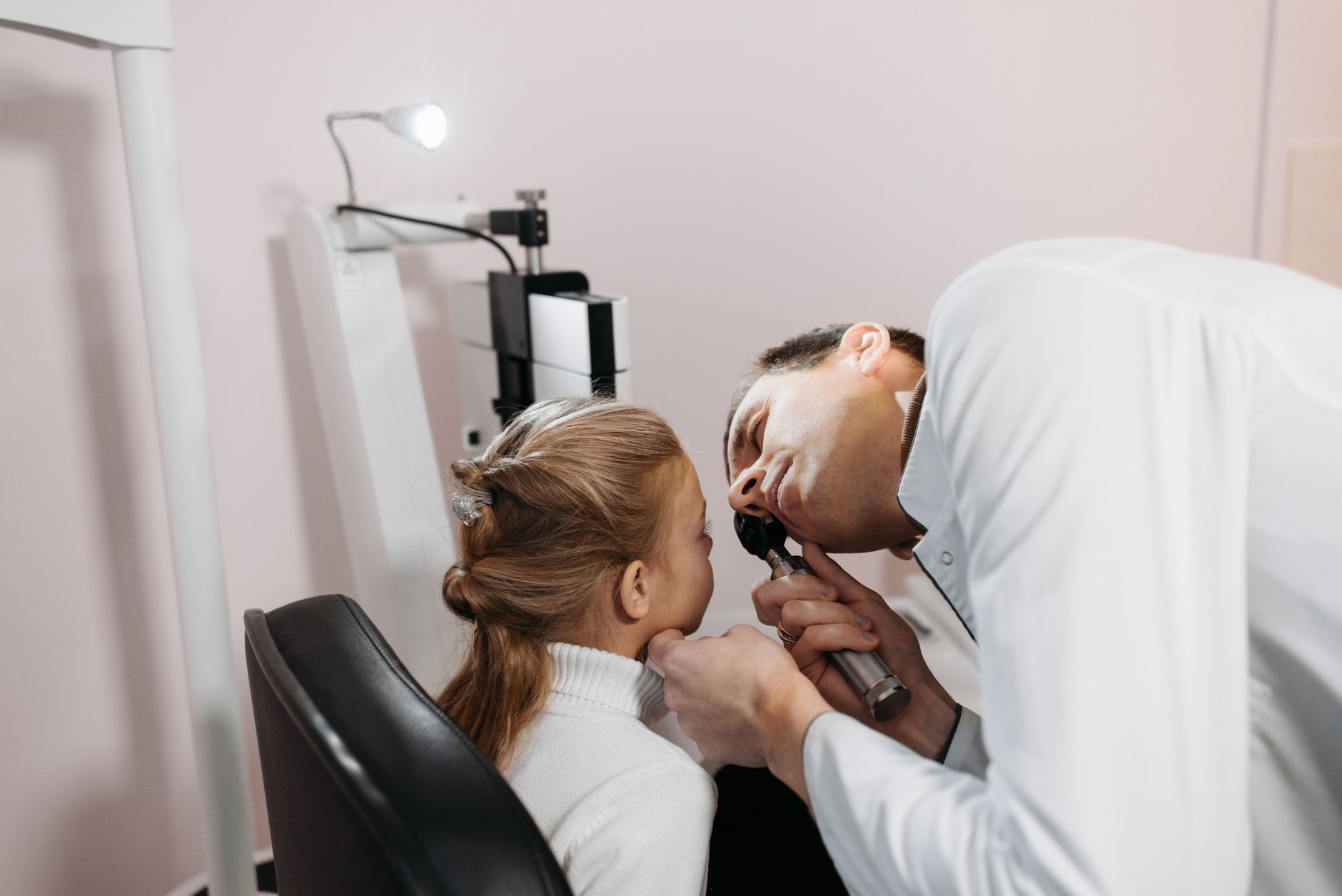
Choosing between the nurse practitioner (NP) and physician assistant (PA) routes comes down to training philosophy more than daily tasks. NPs follow a nursing pathway — you start as an RN, build bedside experience, then earn an MSN or DNP that funnels you into a patient specialty early. PA schools copy the medical model: a generalist master’s covering broad-spectrum medicine all at once. Both diagnose and build treatment plans, but state law dictates how much independence you actually get — many states let NPs run their own practices, while PAs usually work under a collaborative agreement with a physician. Either way, you are looking at strong job security and high earning potential.
The core difference: nursing model vs. medical model
The real split is not what their shifts look like — it is the philosophy behind their training. NPs run on an advanced nursing background, so they prioritize a big-picture, holistic approach: overall wellness, patient counseling, and prevention. PAs are educated in the classic medical-school style, zeroing in on hard science — clinical pathology, disease biology, and pinpointing the exact drugs or procedures a problem needs. Those contrasting styles shape how each builds relationships with patients and approaches care.
The day-to-day: chronic illness vs. immediate fixes
Take a patient with chronic high blood pressure. An NP digs into the patient’s lifestyle, home support, and daily habits alongside the prescription. A PA approaches the same case with an immediate diagnostic lens — organ strain, cellular impact, and the precise medication to correct the biological breakdown. PA training builds agile generalists designed to slot into a physician’s team or a surgical unit, with clinical hours that mirror medical school. NPs lean on frontline nursing instincts built over thousands of bedside hours, where patient education and long-term management are already second nature. If you are already a nurse, the NP track builds directly on your existing path; choosing PA means starting over on a different training track.

Education and training paths
Academically, the two routes are completely different. Becoming an NP means a specific ladder: earn a nursing degree (if you are wondering how long nursing school takes, that timeline matters here), pass the NCLEX-RN, and put in real time at the bedside as an RN before entering an MSN or DNP program. PA school requires a different playbook: a science-heavy bachelor’s packed with prerequisites, plus thousands of direct patient-care hours before you can even apply.
Most NP candidates start by choosing between an ADN and a BSN, passing the NCLEX-RN, and working as a staff nurse — that baseline is the launchpad into graduate school, where AANP-accredited NP programs let you specialize immediately (Family, Adult-Gerontology, Psychiatric-Mental Health). PA training, per the American Academy of Physician Associates (AAPA), is a strict 24-to-27-month generalist master’s: heavy academic coursework first, then intense rotations across surgery, pediatrics, emergency, and internal medicine.
Comparison metric | Nurse Practitioner (NP) | Physician Assistant (PA) |
|---|---|---|
Entry requirements | BSN, active RN license, clinical nursing experience | Bachelor’s, heavy science prerequisites, 1,000–3,000+ patient-care-experience hours |
Terminal degree | MSN or Doctor of Nursing Practice (DNP) | Master of Physician Assistant Studies (MPAS / MSPAS) |
Program length | 2–4 years (MSN vs. DNP path) | 2–2.5 years (compressed, full-time) |
Curriculum focus | Population-focused specialty tracks | Generalist medicine, diagnostics, and surgical therapeutics |
If you have no nursing background, you basically have two options: grind out the clinical hours required to apply to PA school, or jump into an accelerated nursing program and later bridge to the NP side.
Scope, autonomy, and specialty mobility
How much freedom you get — and how easily you can switch specialties — depends on which title you pick and on state law. In full-practice-authority states, an NP can run their own clinic, diagnose, and prescribe with no physician oversight; in stricter states they need a collaborative practice agreement. The legal landscape for PAs is also shifting toward collaboration rather than strict supervision, but a PA’s boundaries are still tied to a structured team with a specific physician or network.
NPs win on location freedom; PAs win on specialty mobility. Because PAs graduate with a broad medical background, they can legally switch fields without more schooling — assisting in orthopedic surgery one week and working a dermatology office the next. NPs do not have that flexibility: their training ties them to a specific population from day one. An FNP who wants to move into ICU care or open a psychiatric practice usually has to return to school for a post-graduate certificate and pass a separate board exam to shift focus.
Factor | Nurse Practitioner (NP) | Physician Assistant (PA) |
|---|---|---|
Practice autonomy | Full independence in FPA states; collaborative agreement elsewhere | Always tied to a physician/team structure (loosening in some states) |
Specialty mobility | Low — certified to a specific population; switching needs new credentials | High — generalist training allows switching fields without more school |
Own-practice option | Yes, in full-practice-authority states | Rare — bound to a collaborating physician or network |
NP vs. PA salary and outlook
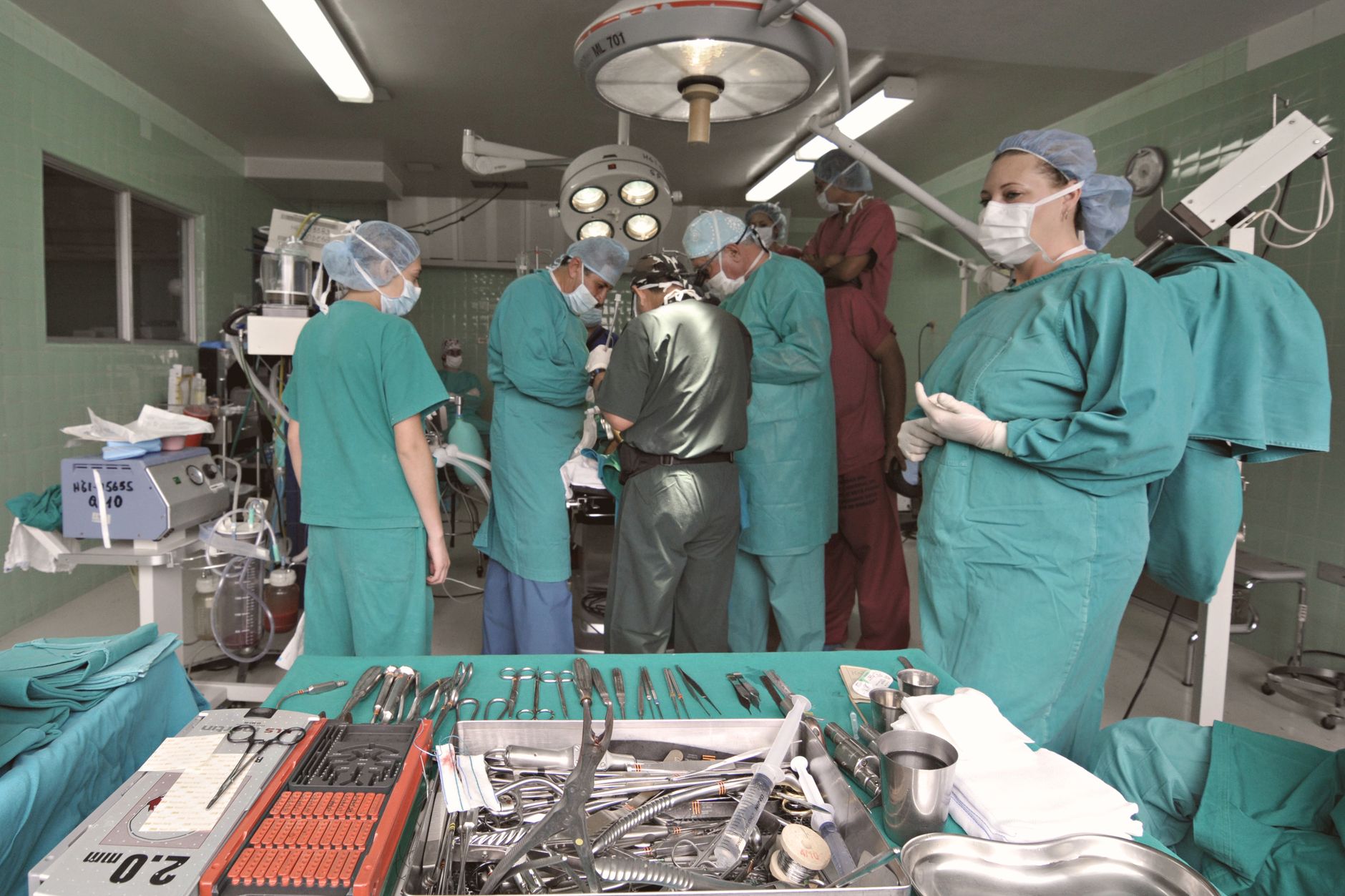
Both professions pay well with strong long-term security. Per BLS data, physician assistants post a national median around $138,339, while nurse practitioners (NP-only occupation code 29-1171) sit near $132,300 in the May 2025 release. PAs edge NPs on the baseline national median, but the gap is small and your take-home swings with local budgets, cost of living, and specialty — our nurse practitioner salary guide breaks the NP side down in depth.
Both tracks are growing far faster than average as the population ages and primary care runs short-staffed. On ROI, weigh future pay against degree cost: PA students face high upfront tuition for a grueling full-time program where a side job is nearly impossible, while many NP students keep drawing an RN salary and take graduate classes online or at night, easing the loan burden.
The surgical premium and specialty factors
National averages sit close, but the real financial split is in sub-specialization. PAs have a built-in advantage in surgery — working as a first-assist in ortho, neuro, or cardiothoracic surgery can push pay past $160,000 early, because hospitals lean on PAs to run the pre-op, intra-op, and post-op workflow. On the other side, psychiatric-mental health NPs command large premiums thanks to a nationwide shortage; a niche like psych or neonatology drastically changes earning potential versus family medicine at a neighborhood clinic.
Geography and the autonomy bonus
Where you live swings pay well beyond cost of living. In full-practice-authority states, NPs can open private practices — no corporate wage matrix caps your income, and an entrepreneurial NP billing insurance or taking direct payment can push revenue past standard BLS averages. For PAs, big geographic spikes usually come from signing with large hospital networks in major metros or underserved rural towns, which offer sign-on bonuses and loan-forgiveness packages. Either way, dig past the baseline numbers and read your state’s rules to see how much leverage your license actually carries.

How to choose (and which is easier or faster?)
You cannot ask which route is easier without factoring in your starting point — neither is a walk in the park. If you already hold an ADN or BSN, bridging to an MSN or DNP is your quickest, most logical move. If your background is biology, kinesiology, or EMS, the PA route makes more sense, since it does not force you to restart your education to learn nursing fundamentals. Use this checklist:
Look at your current background. Nursing license or lots of bedside hours? Lean NP. Traditional science degree with heavy lab work? Lean PA.
Decide on your care philosophy. Holistic, counseling-and-prevention mindset → NP. Fast-paced diagnostic style grounded in medical-school training → PA.
Weigh your need to switch specialties. Want to slide from pediatrics into a surgical team without more school? PA.
Pinpoint your independence goals. Dream of running your own clinic without physician oversight? NP (in an FPA state).
Think about program flexibility. Can you survive quitting your job for two years? If not, look at flexible graduate options that keep you earning while you study.
Written by · Verified educator
Testavia editorial
Nathan Cole
RN
Medical-Surgical nurse & health writer
Meet Nathan, a registered nurse with over five years of experience in Medical-Surgical care, based in New York City. Having worked with a wide range of patients through some of their most vulnerable moments, Nathan brings a grounded, real-world perspective to his writing on healthcare. His goal is simple: to bridge the gap between medical knowledge and everyday understanding, making health topics feel less intimidating and more empowering for everyone. When he's not caring for patients, Nathan channels his passion for medicine into writing that educates, comforts and inspires.
5+
Years in Med-Surg
Medical-Surgical
Specialty
New York City
Based in