PICU Nurse: One Unit, Every Age at Once
A PICU nurse cares for critically ill patients ranging from infants of about 2 kg to adolescents well over 100 kg — on the same unit, sometimes in the same shift. Every drug dose is weight-based and every piece of equipment is size-matched, which is what makes the range, not the acuity alone, the hard part.
Editorial
Last reviewed · August 16, 2026
Medically reviewed
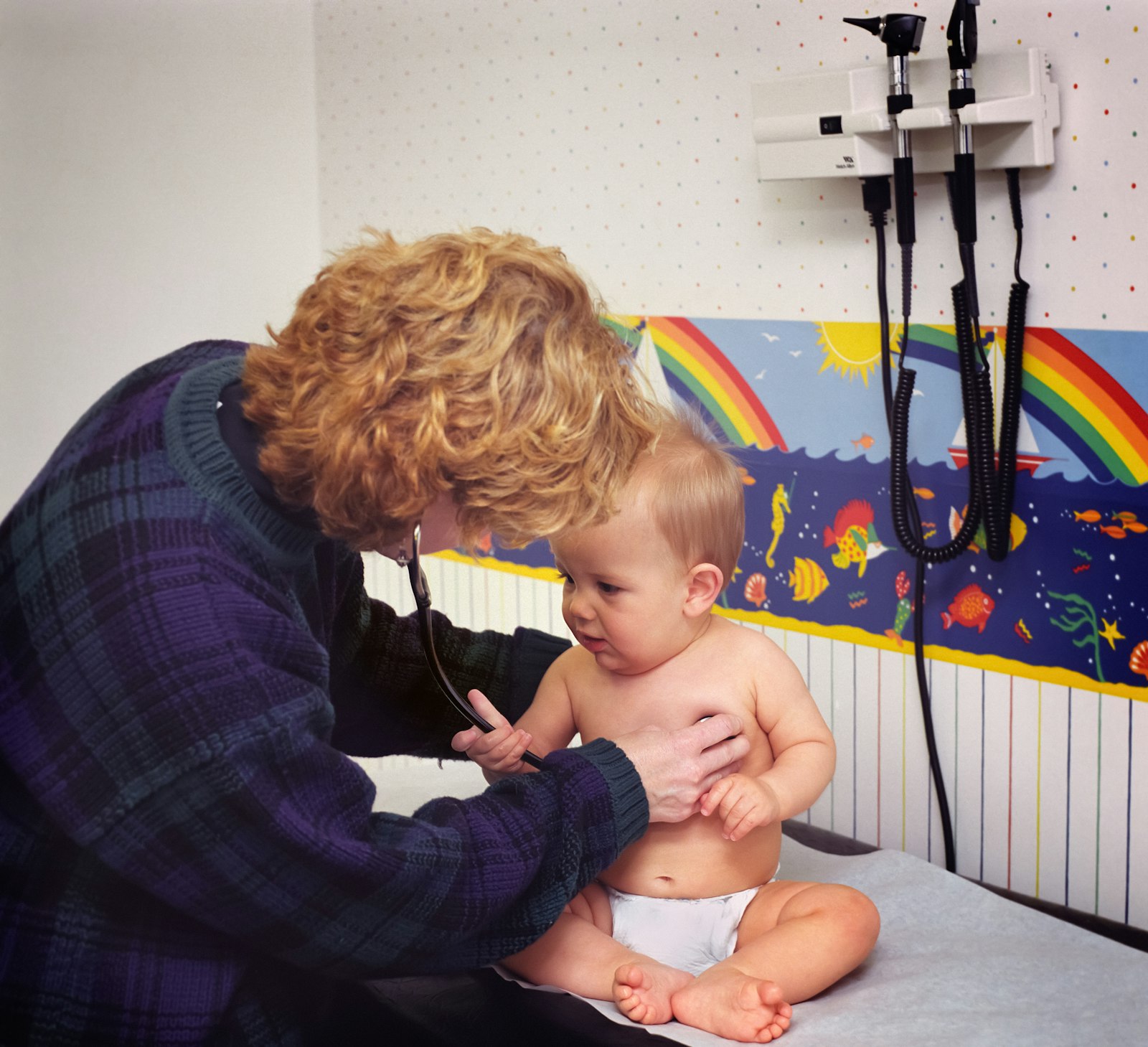
The pediatric intensive care unit (PICU) is one of the few places in healthcare where a single nurse might manage a ventilated infant in one room and a trauma-stabilized teenager in the next. Most hospital units narrow by age or by diagnosis. The pediatric intensive care unit does neither. That’s what distinguishes PICU nursing from the other nursing specialties and makes it both demanding and deeply rewarding. In this resource, we’ll examine what a PICU nurse does, how the role compares with NICU practice, why the age span creates unique clinical challenges, and whether this path aligns with your professional goals.
What does a PICU nurse do?
A PICU nurse is a registered nurse who provides the highest level of care to seriously ill or injured children who require intensive monitoring and support beyond what a general pediatric floor can provide. These patients may have life-threatening injuries from accidents, severe breathing difficulties such as asthma exacerbations, serious infections, seizures, or complications from conditions like diabetes.
The PICU serves similar roles with the adult intensive care unit or ICU. However, PICU nursing specializes in the unique needs of children. The work revolves around constant reassessment of vital signs, ventilator settings, drips, and neurological status that can change by the hour. A PICU nurse identifies the shift before it escalates.
Daily responsibilities typically include:
Continuous monitoring: closely tracking vital signs such as heart rate, blood pressure, respiratory rate, and oxygen saturation to detect changes quickly.
Clinical Skills and Procedures: Performing advanced interventions including IV therapy, arterial line management, central line care, and blood transfusions.
Medication Administration: Precisely titrating sedation, vasoactive drips, and other high-alert medications, nearly always calculated by weight.
Emergency Response: effective and rapid response to emergencies such as cardiac arrest, respiratory distress, seizures etc.
Managing Life-Support Equipment: operating and diagnosing ventilators, chest tubes, arterial lines, and other critical-care devices equipment specifically for pediatric patients.
Collaboration and Communication: Partnering with intensivists, pediatricians, respiratory therapists, pharmacists, and child life specialists.
Patient and Family Education and Support: Guiding families through some of the most frightening experiences of their lives, while explaining complex procedures in ways that calms a scared parent or anxious children
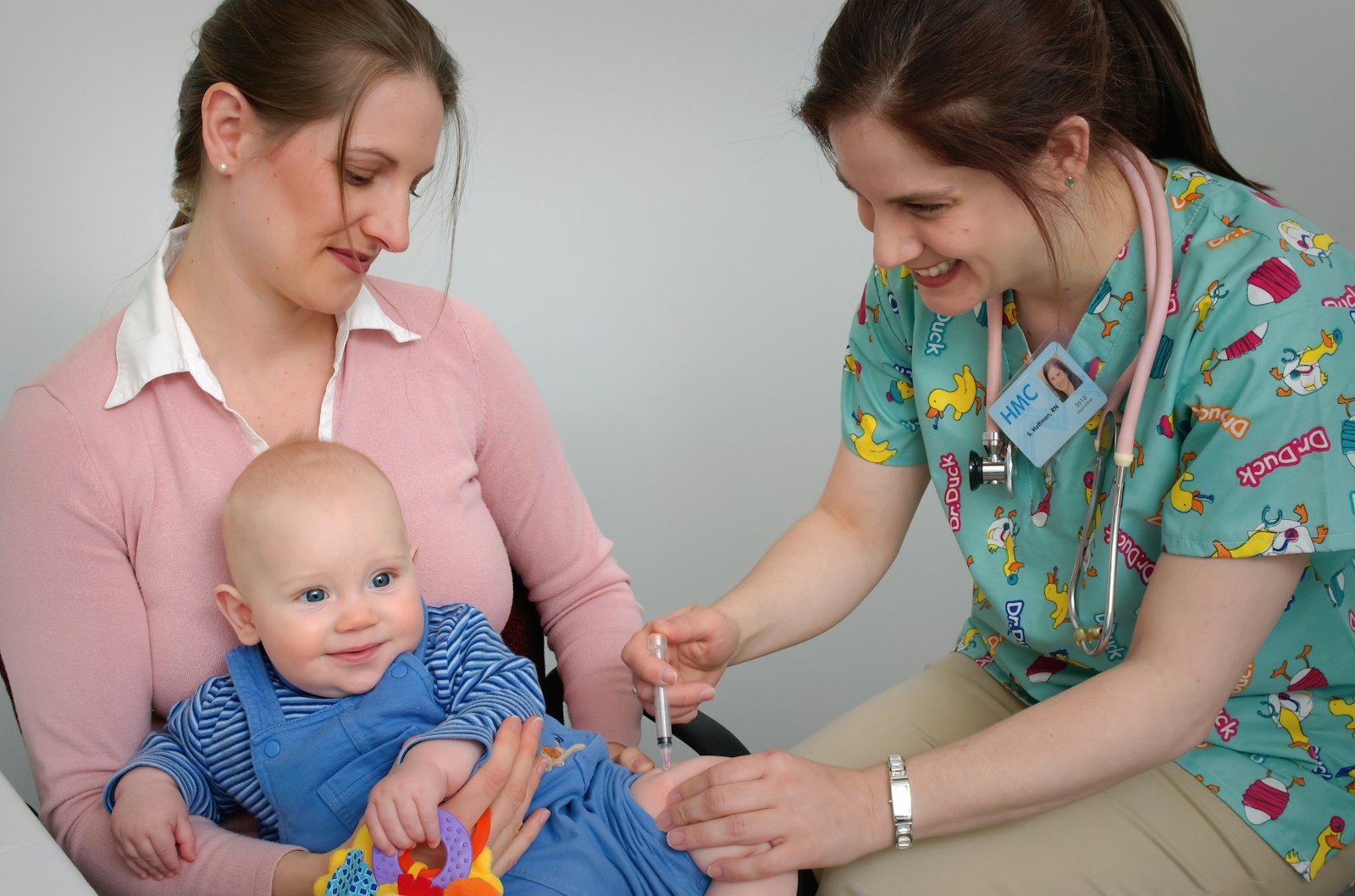
The patient population of PICU is intentionally broad. Common conditions such as congenital heart disease, respiratory failure, sepsis, traumatic injury, post-surgical recovery, diabetic ketoacidosis, and status epilepticus, sometimes all on the same unit at once.
The Society of Critical Care Medicine (SCCM) supports multiprofessional teams, including pediatric intensivists and PICU nurses, that help shape standards of care, staffing, and protocols in these high-acuity environments.
If you're still building your clinical foundation for this kind of work, Testavia's nursing school pediatrics coursework covers essential topics such as growth and development, pediatric assessment, and weight-based dosing calculations.
PICU vs NICU: range or depth
Both PICU and NICU nurses provide critical care to pediatric patients, and many people often confuse the two roles. The distinction comes down to range vs depth. A NICU focuses narrowly on newborns, often premature ones. A PICU nurse cares for patients across a much broader range of ages, sizes, and medical conditions.
Aspect | PICU nurse | NICU nurse |
|---|---|---|
Patient age range | Infants to adolescents — (sometimes young adults) | newborns, from premature infants born as early as 22 weeks gestation to full-term babies up to 28 days old (it may vary depending on hospital policies) |
Patient size range | Approximately 2 kg to well over 100 kg | Under 500 g to about 5 kg |
Common conditions | Trauma, sepsis, congenital heart disease, respiratory failure, post-operative recovery, diabetic ketoacidosis (DKA), seizures | Prematurity, low birth weight, respiratory distress syndrome, congenital anomalies, infections |
Core skill emphasis | Broad clinical range across ages, diagnoses, and developmental stages | Deep specialization in neonatal physiology and development |
Common certifications | PALS, CCRN-Pediatric | RNC-NIC, NRP |
Family dynamics | Parents of infants through teenagers, with widely varying developmental and emotional needs | Mostly new parents adjusting to their baby's first weeks of life |
Neither specialty is harder. Each requires different strengths. Nurses who work in transport roles, such as those covered in our flight nurse guide, often bridge both units, since critically ill infants and children frequently need transfer between a NICU and a PICU as they grow or as their condition changes.
Why the range is the difficulty
The wide age span in the PICU creates both its greatest challenge and its appeal. A PICU nurse must recall pediatric-specific guidelines that change significantly with stages in development. Medication calculations, equipment selection, communication styles, and even restraint or comfort techniques vary by age.
Medication: An adult ICU nurse often uses standard doses that apply to most patients. A PICU nurse on the other hand, calculates nearly every medication by weight. The difference between a 4 kg infant and a 60 kg teenager completely changes the math, and even a small decimal error can have serious consequences.
Equipment sizing: Follows the same principle as medication. The airways, catheters, cuffs, blood pressure cuffs, and many other devices come in pediatric sizes. choosing the wrong equipment can do damage rather than providing help.
Communication: In a single night, a PICU nurse can read pain and distress in a nonverbal infant, negotiate cooperation from a terrified toddler, and hold a direct, honest conversation with a fifteen-year-old about their own diagnosis. Family dynamics shift just as much. Parents of a newborn need different support than the parents of a chronically ill ten-year-old, or a teenager who wants privacy from the parents in the room.
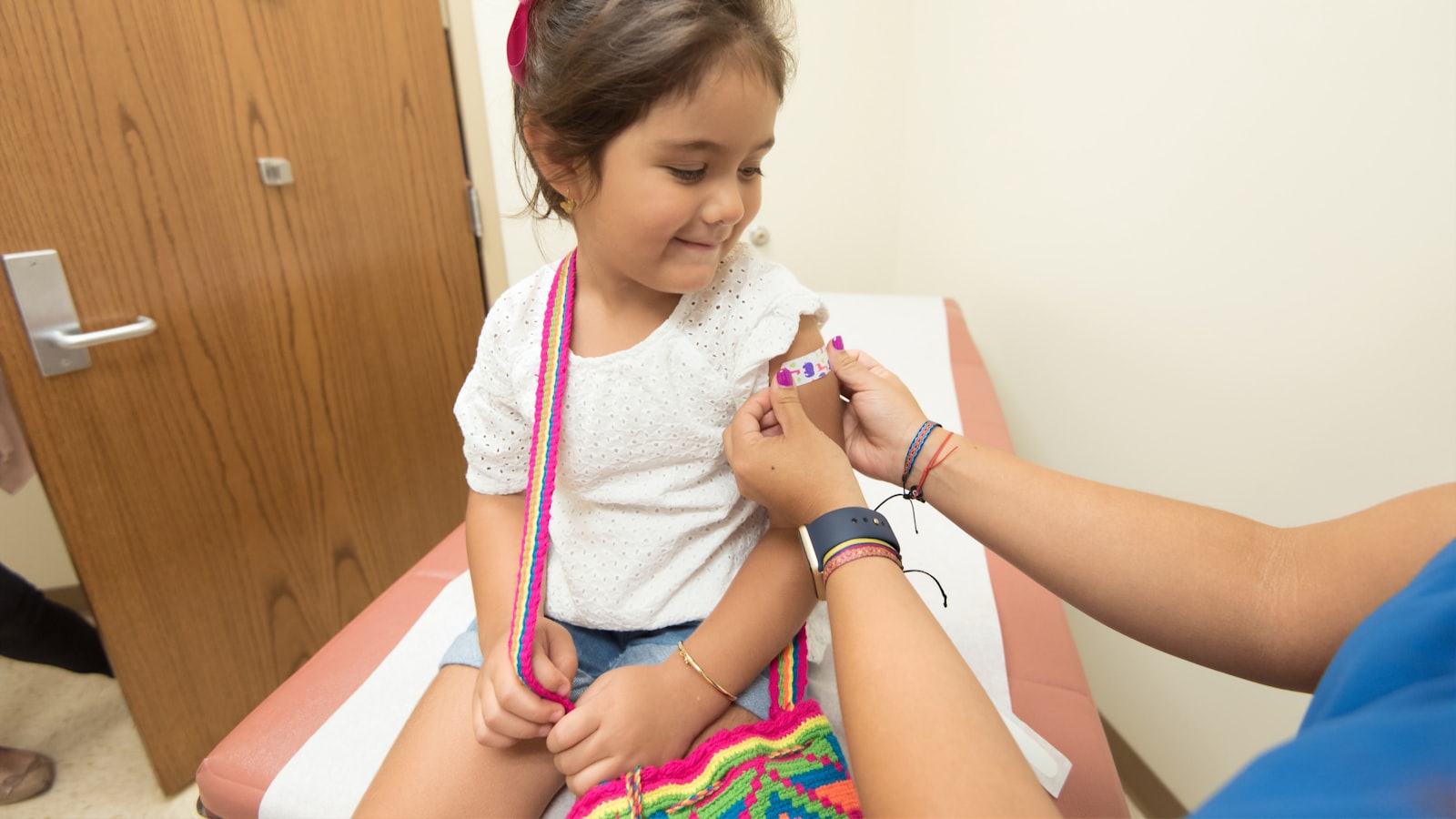
The American Academy of Pediatrics publishes detailed guidance on the staffing and structure pediatric critical care units need precisely because children aren't simply small adults. Physiology, medication response, and emotional development all evolve with age. A PICU nurse must keep this full developmental spectrum in mind at all times.
Certification reflects how demanding that range is to master:
Written by · Verified educator
Testavia editorial
Nathan Cole
RN
Medical-Surgical nurse & health writer
Meet Nathan, a registered nurse with over five years of experience in Medical-Surgical care, based in New York City. Having worked with a wide range of patients through some of their most vulnerable moments, Nathan brings a grounded, real-world perspective to his writing on healthcare. His goal is simple: to bridge the gap between medical knowledge and everyday understanding, making health topics feel less intimidating and more empowering for everyone. When he's not caring for patients, Nathan channels his passion for medicine into writing that educates, comforts and inspires.
5+
Years in Med-Surg
Medical-Surgical
Specialty
New York City
Based in