School Nurse: The Role, the Credential, and the Reality
A school nurse is typically the only healthcare professional in the building, triaging without a colleague down the hall and answering to school administration rather than a nurse manager. Here is what the role actually involves day to day, how the NCSN credential works, and who tends to thrive in it.
Editorial
Last reviewed · August 3, 2026
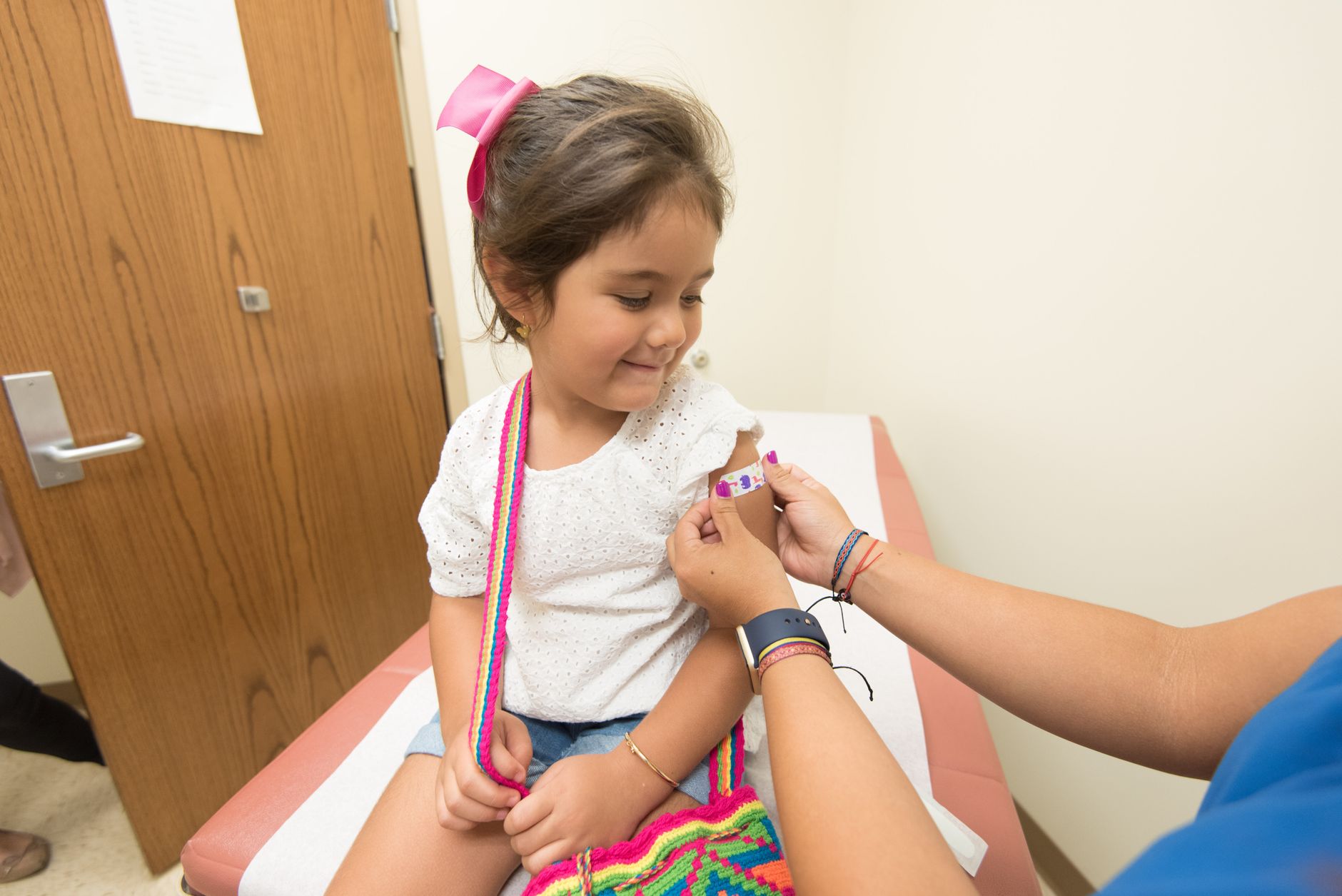
A school nurse manages the health of an entire school population-chronic conditions, emergencies, medications, and screenings-usually as the only clinician on site. It is the most autonomous common nursing role, not the lowest-acuity one. Many states require a credential beyond your Registered Nurse license, often issued by the state's education department rather than the board of nursing.
What does a school nurse actually do?
A school nurse manages population health at scale within an educational environment. Coordinating care for hundreds or thousands of students. This specialty goes far beyond the historical stereotype of applying adhesive bandages and dispensing ice packs.
The day-to-day reality centers on three core pillars:
Chronic condition management at scale
Preventative care coordination
Emergency interventions without clinical backup
Daily Responsibilities
The day-to-day workflow revolves around strict medication schedules alongside highly unpredictable clinical events. Rather than waiting for emergencies, a school nurse proactively coordinates individual care plans for high-risk students on campus:
On any given day, this involves tracking glucose logs for type 1 diabetes, ensuring rapid access to asthma rescue inhalers, and maintaining active response plans for seizure disorders. Should severe anaphylactic reactions occur, the nurse must immediately step in to coordinate prompt epinephrine delivery.
Screenings and Referrals
Beyond routine care, these professionals lead vital health screening initiatives. They track vision, hearing, and growth metrics to identify developmental needs early. When identifying behavioral changes or cognitive health needs. The school nurse provides mental health referral services to connect families with specialized psychological support.
Care Coordination and Delegation
This environment requires structuring comprehensive individualized healthcare plans for students with specialized medical needs. To ensure student safety, nurses frequently manage delegation tasks, which involve training unlicensed assistive personnel to perform specific, routine health tasks. Because delegation is a highly legally sensitive process, rules are strictly state-specific. Nurses must route all systemic questions to their state board of nursing rather than creating local protocols.
The autonomy nobody warns you about
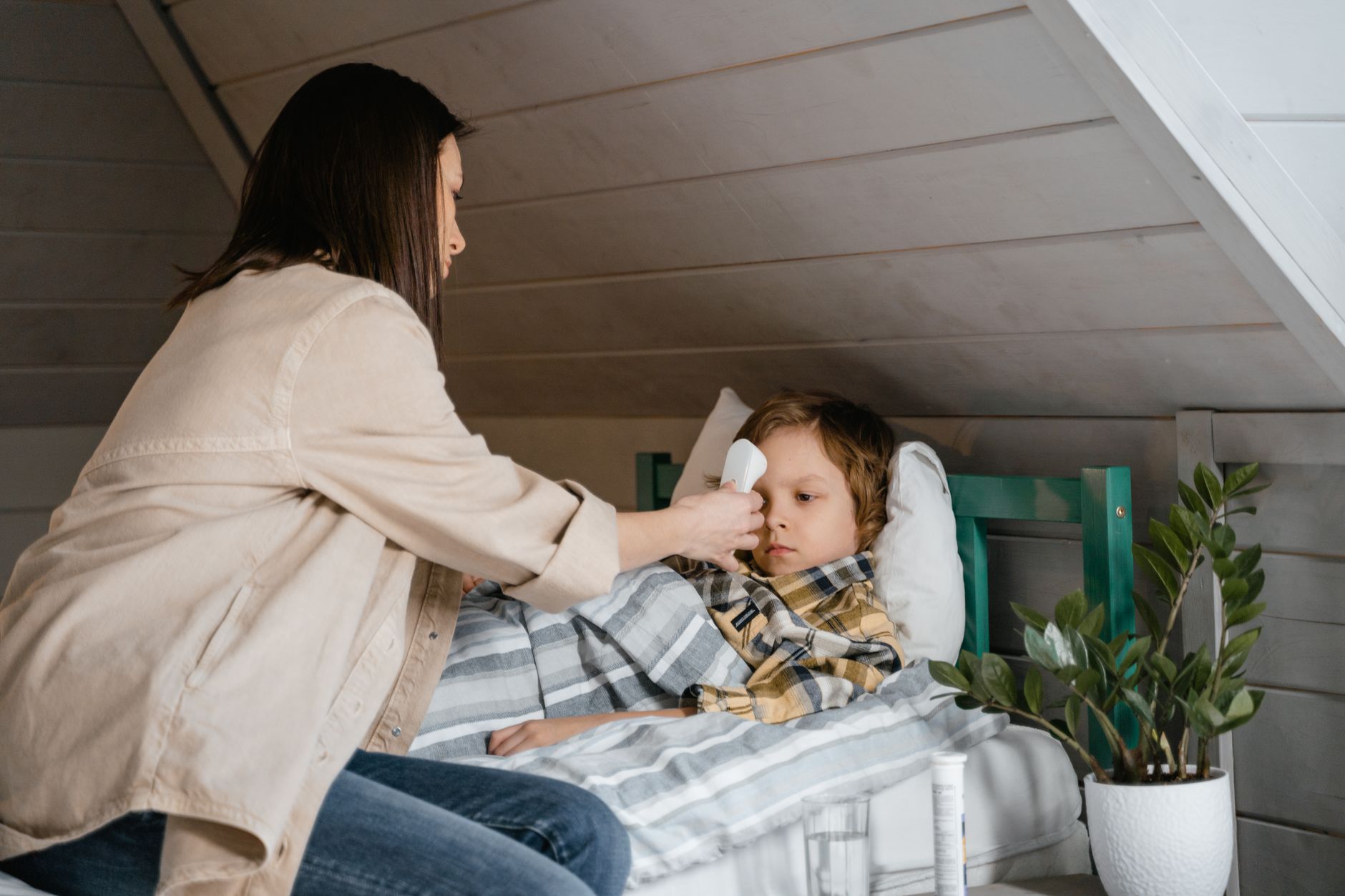
In acute care hospital settings, clinical structures provide an immediate safety net for the staff. If a patient's clinical status begins to deteriorate on a floor, a nurse can instantly escalate the situation to an experienced charge nurse, a rapid response team, or an attending physician.In an educational setting, that entire clinical safety net completely disappears. As a school nurse, you serve as the ultimate escalation point for the entire building.
Understanding the Reality of Solo Practice
There are no clinical colleagues down the hall to cross-examine a difficult assessment or validate a nuanced judgment call. When a student experiences a severe medical emergency on campus, you must handle the pressure alone:
Evaluate the situation completely independently.
Deliver initial stabilizing interventions without backup.
Call emergency medical services on your own authority.
This absolute independence offers immense operational freedom. However, it introduces a distinct profile of professional pressure that many acute care professionals do not anticipate when leaving the bedside environment.
The Trade-Off: An Alternate Kind of Stress
This structural isolation shifts the daily workload from physical exhaustion to intense mental accountability. For a burnt-out floor nurse looking for a quick escape from frantic hospital shifts, a school health office presents a different kind of clinical pressure rather than a reduced workload.
The role should never be marketed as an effortless cure for professional burnout. It is vital not to oversimplify this reality to vulnerable, exhausted professionals. While the predictable academic calendar provides clear personal scheduling advantages and eliminates holiday shifts, the underlying trade-off remains a profound sense of professional isolation where you own every clinical outcome alone.
Navigating the "Two-Boss" Problem
This solitary environment becomes even more complex due to an administrative reality known as the two-boss problem. A school nurse must constantly navigate dual institutional priorities that frequently diverge:
The School District: Focused primarily on educational metrics, attendance goals, and local facility policies.
The Board of Nursing: Focused strictly on enforcing the legal boundaries of your professional nurse practice act.
Navigating this structural friction requires exceptional professional discipline. Because these scenarios are highly practice-specific and legally sensitive, nurses must consult their specific state regulatory bodies rather than relying on local administrative advice to resolve professional disputes.
School nurse | Hospital staff nurse | |
|---|---|---|
Clinical colleagues on site | Usually none — you are the only clinician | A full unit team plus rapid response |
Who you report to | School administration, not a nurse manager | Nurse manager within a clinical hierarchy |
Patient population | An entire school, seen episodically | An assigned caseload, seen continuously |
Scope of judgment | Independent triage with no one to consult | Escalation available within minutes |
Non-clinical duties | Care plans, medication policy, immunisation records, staff training | Charting within an established clinical system |
Schedule | School calendar, with holidays | Shift rotation, including nights and weekends |

How to become a school nurse
The route runs through standard RN licensure first: complete a nursing program, pass the NCLEX-RN, and gain clinical experience before moving into a school setting. Our guide to the quickest way to become a registered nurse covers those steps.
Entering this specific field requires moving through a structured, multi-step credentialing framework that catches many job seekers completely off guard. Securing a professional Registered Nurse license is merely the initial baseline step for entry. The critical piece that competing career guides completely overlook is that a significant number of regions require an additional, school-specific institutional credential.
This secondary certification is frequently managed and issued directly by the state department of education rather than the traditional board of nursing. Because of this unique administrative split, many job candidates search for licensing criteria in the completely wrong place and miss the true mandates. To practice legally inside a public school building, you must clear both of these distinct regulatory pipelines. Doing so ensures you completely satisfy local academic codes alongside your standard medical requirements before treating students.
The Mandatory Professional Pathway
To properly transition into this specialty, you must complete each phase of preparation in sequence:
Complete an Accredited Nursing Program: Candidates must graduate with either an Associate Degree in Nursing or a Bachelor of Science in Nursing from an approved institution.
Obtain Your Professional License: You must pass the national licensing exam to establish your clinical foundation. Utilizing the specialized practice tools on the NCLEX page can help ensure you master the critical prioritization and management concepts needed for independent practice.
Acquire Foundational Clinical Experience: Most school systems require two to three years of pediatric, emergency room, or community health experience to ensure your independent clinical assessment skills are sharp.
Secure Your State Education Certificate: This is the phase where applicants run into unexpected regulatory hurdles. You must obtain an education-specific certification from the relevant governing body before managing a school clinic.
Achieve National Board Certification: Experienced clinicians often choose to advance their credentials by pursuing formal recognition from specialized national boards.
Navigating Local Education Regulations
Because rules are strictly regional, specific employment mandates shift dramatically when you cross state lines. Some jurisdictions allow associate-degree holders to practice under provisional terms, while neighboring areas strictly mandate a full bachelor's degree coupled with post-graduate education courses.
To maintain strict regulatory compliance, our guide does not provide a rigid table of individual state rules. Doing so can cause confusion because local policies update frequently. Instead, candidates must verify all current credential requirements directly through their local state department of education and state board of nursing. Going straight to these primary official sources ensures you do not waste time tracking outdated local benchmarks.
Advanced Professional Certification
Once you accumulate sufficient field experience, you can pursue elite validation within the specialty. The gold standard for this discipline is the Nationally Certified School Nurse designation.
This professional certification is administered independently by the National Board for Certification of School Nurses. Earning this credential confirms your advanced knowledge of school health administration and population health strategies. Rather than reviewing the technical mechanics of the exam here, candidates should visit the official board portal directly to review current testing eligibility windows and documentation fees.
Is it right for you?
Deciding to enter school nursing requires an honest look at your clinical comfort zones, your preferred pace, and your career goals. This specialty represents a complete shift in environment rather than an easier version of traditional clinical practice. A successful professional in this role must feel completely energized by total independence and the responsibility of running a solo clinic.
This specialty fits best if you want to:
Track community-level wellness trends across an entire campus rather than focusing on a single bedside patient.
Build lasting professional relationships with the same student population as they grow through multiple grade levels.
Synchronize your personal schedule with the predictable local academic calendar.
Conversely, the solo nature of a campus health office will likely feel isolating rather than rewarding if you prefer fast-paced clinical environments. If you thrive under the constant adrenaline of an emergency department or feel anxious without a rapid response team standing nearby for immediate backup, this level of independence presents an alternate type of pressure. Managing a solo clinic demands exceptional personal boundaries, absolute confidence in your independent assessment skills, and a true passion for preventative public health strategies.
Deciding if the Specialty Fits Your Goals
An ideal candidate for this field enjoys working outside the traditional hospital bubble. This environment rewards clinicians who want to:
Own major medical decisions without relying on a clinical supervisor to look over their shoulder.
Exercise true clinical autonomy as the sole healthcare authority in a school.
Build deep, multi-year relationships with a consistent student population over time.
Capitalize on a stable schedule packed with predictable school calendars, standard weekends, and free summers.
Signs this Role May Not Match Your Style
This career path is typically a poor fit if your primary goal is to sharpen high-acuity technical skills like managing ventilators or reading complex cardiac telemetry strips. Because you operate completely alone, you cannot rely on an immediate peer network for second opinions during a crisis. If you find the idea of handling an active playground emergency completely by yourself frightening rather than energizing, the solo nature of the campus health office will cause significant professional stress.
Furthermore, you must be comfortable reporting directly to non-clinical school administrators who often prioritize district attendance goals and local educational metrics over complex medical workflows.
Understanding the Compensation Structure
The pay structure in this field reflects these unique lifestyle trade-offs. Instead of matching private hospital systems, compensation models are tied directly to public school district salary scales. This framework generally results in a lower base income than fast-paced acute care roles. However, the lower gross pay is balanced by excellent public retirement systems, comprehensive health benefits, and a highly desirable academic schedule.
To analyze the broader data across the industry, you can review the qualitative occupational summaries published by the Bureau of Labor Statistics.
Written by · Verified educator
Testavia editorial
Nathan Cole
RN
Medical-Surgical nurse & health writer
Meet Nathan, a registered nurse with over five years of experience in Medical-Surgical care, based in New York City. Having worked with a wide range of patients through some of their most vulnerable moments, Nathan brings a grounded, real-world perspective to his writing on healthcare. His goal is simple: to bridge the gap between medical knowledge and everyday understanding, making health topics feel less intimidating and more empowering for everyone. When he's not caring for patients, Nathan channels his passion for medicine into writing that educates, comforts and inspires.
5+
Years in Med-Surg
Medical-Surgical
Specialty
New York City
Based in