TEAS Science Questions: The Highest-Weight Section, Broken Down
The ATI TEAS 7 science section is 50 questions in 60 minutes, with only 44 scored across anatomy & physiology (18), biology (9), scientific reasoning (9), and chemistry (8). A&P alone is 41% of the section — so prep body systems first and treat the physical sciences as targeted review.
Editorial
Last reviewed · June 16, 2026
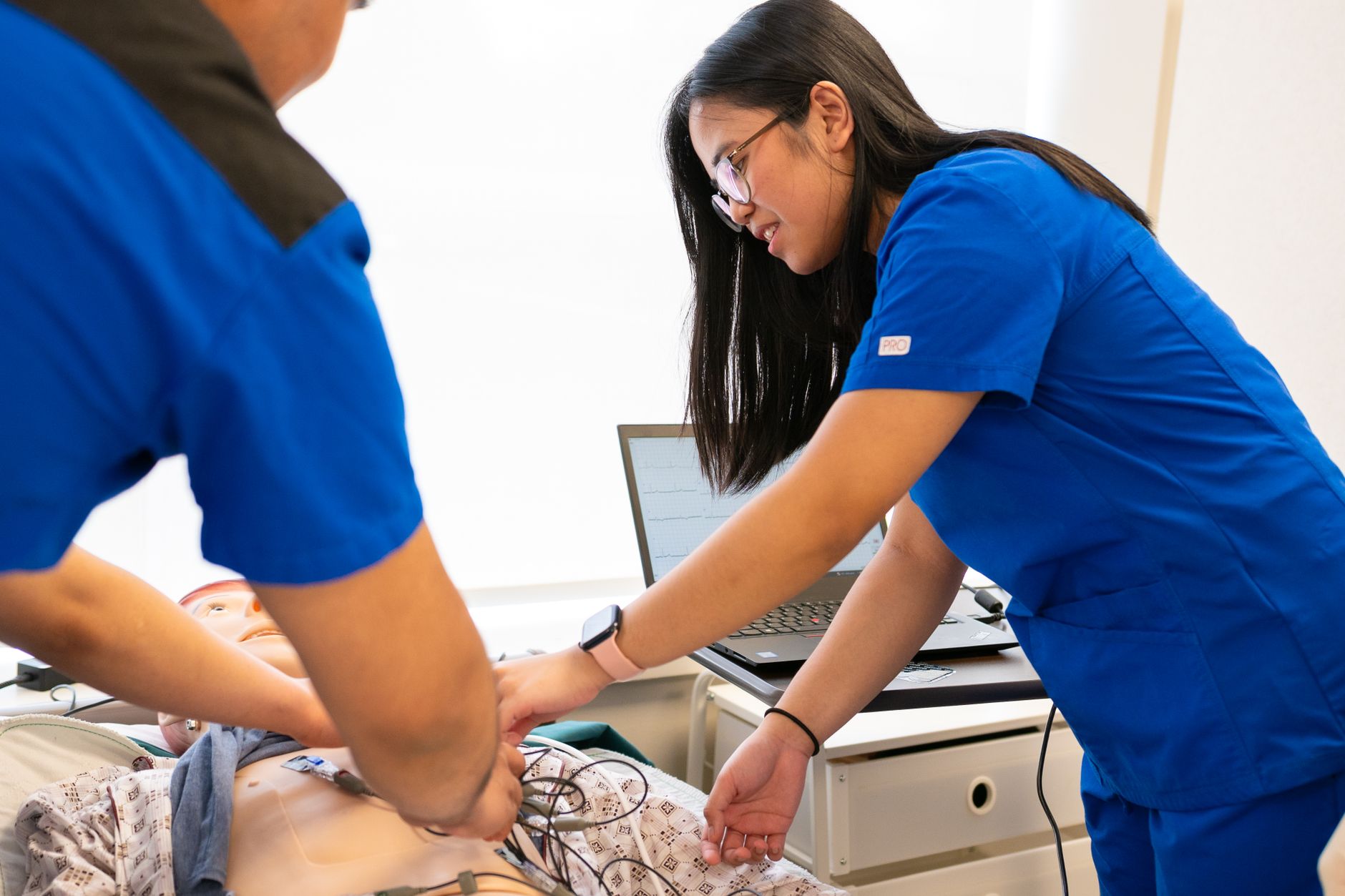
Science scaring you? See exactly where you stand by sub-area — take Testavia’s free TEAS diagnostic before you dive in.
The ATI TEAS 7 Science section has exactly 50 total questions.To be completed within a strict 60-minute time limit. Your exam splits into 18 questions for Anatomy & Physiology, 9 for biology, 9 for Scientific Reasoning, and 8 for chemistry.
Since Anatomy & Physiology dominates 41% of the scored exam. The best prep strategy is to prioritize the human body systems before spending your precious study hours on the lighter physical sciences.
What the TEAS Science Section Covers
Let’s be honest, opening a whole textbook to study for the TEAS science subtest is a total nightmare. It feels draining before you even turn to page one. ATI gives you exactly 60 minutes to fly through 50 questions, meaning you have a minute per prompt. The sheer speed required can cause any pre-nursing applicant to panic if they don’t have a plan. Here is a secret most generic study guides don’t tell you. Only 44 of the 50 questions count towards your final score. The other 6 are experimental pretest questions that ATI mixes in to test out new material. So you have to treat every single prompt with equal importance.
Those 44 questions are split across four specific areas as listed below.
TEAS 7 Science Domain | Scored Questions | Percentage |
|---|---|---|
Anatomy & Physiology | 18 | 41% |
Biology | 9 | 20.5% |
Scientific Reasoning | 9 | 20.5% |
Chemistry | 8 | 18% |
Don’t waste your study hours trying to master complex chemistry formulas while ignoring basic body systems.You are actively throwing away easy points. Anatomy and physiology is where you win or lose the game. Knowing how these questions are weighted is the cheat code to structuring your weekly study plan.
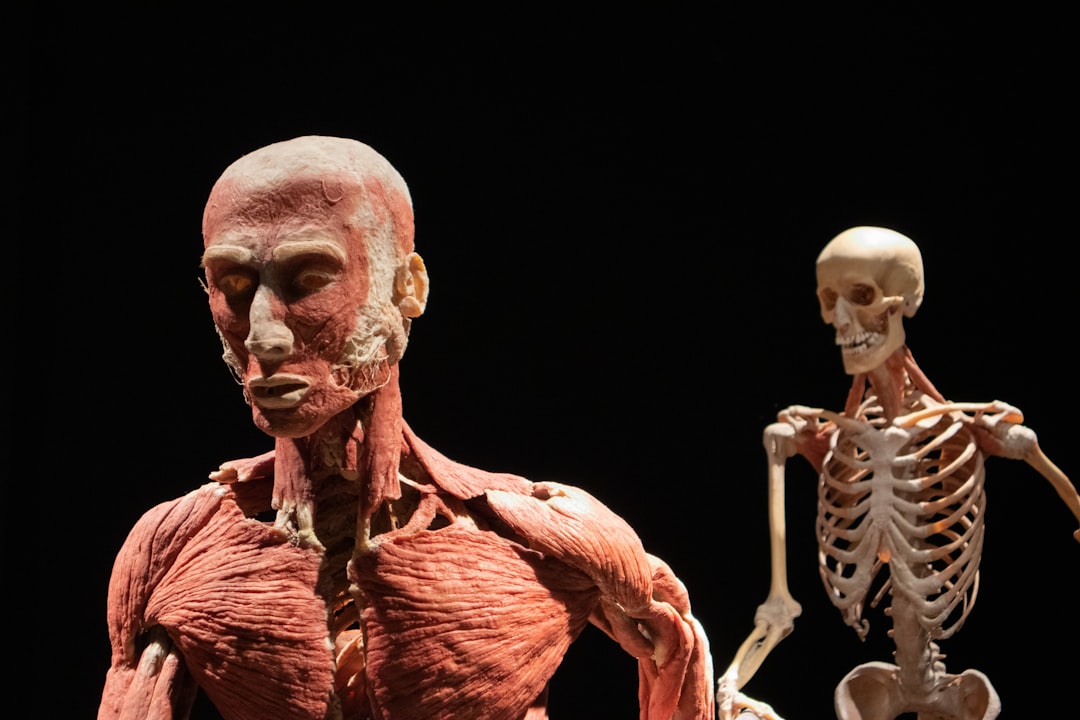
Why Anatomy & Physiology is Your Ultimate Make-or-Break Section
Why do human body systems matter so much for your score? When you sit down on a test day, nearly half of the questions are testing your knowledge of the human body. We aren’t just talking about memorizing a few bone names. We are talking about the cardiovascular layout, digestive mechanics, respiratory pathways and the nervous system. If you don’t understand how these organ systems function, it is almost impossible to pass for competitive nursing programs. If you talk to a pre-nursing student like Sara, who is trying to clear the science subtest, she is likely going to tell you, she spent hours balancing chemical equations and stressing over cellular respiration. But the test results show a completely different story.
Think of the human body as the foundation of your future career. Nursing schools do not expect you to be an expert on day one. But they absolutely expect you to know which direction blood flows through a heart valve or how the kidneys filter fluid. Focusing on organ systems ensures you are studying the high-yield content. Instead of reading your textbook cover-to cover, study one system at a time. Master the organs, learn their primary functions, and then test your knowledge with active recalling. When you master the center of gravity first, the rest of the exam becomes less intimidating.

Biology, Chemistry, and Scientific Reasoning: The Rest of the Pie
Once you have mastered the body systems, it’s time to look at the remaining topics. Even though Anatomy and Physiology takes up the heaviest weight, you can’t ignore the other topics if you want to excel. Biology plus Scientific Reasoning adds up to forty percent of your test. In the biology area, you will tackle questions on cell structure, macromolecule and genetics. Instead of panicking over advanced biology, focus your energy on learning the difference between prokaryotic and eukaryotic cells. Master how traits are passed down through basic Punnett squares. Keep it simple and high-yield.
Next up is Scientific Reasoning. Many pre-nursing students assume this section requires memorizing dry facts, but it actually tests your critical thinking skills.ATI wants to see if you can think like a scientist. They will challenge you on how to analyze scientific data, variables and design experiments. When practicing for this section, focus on reading experimental setups and figuring out what is being tested and measured.
Finally, we have Chemistry, it’s a major source of anxiety for students, but it doesn’t need to be. Do not waste your precious study hours crying over advanced chemical equations or complex engineering theories. Make sure your study sessions are focused on basic atomic structures, simple acid-base balancing and states of matter. Once you genuinely work on these three subjects instead of stressing over them. It frees up your time and proves that getting into nursing school isn’t just a crazy dream- you can actually do this.
Take a deep breath, trust your study map, and go crush it!

How to Practice the Science Section
Now that you know the exact weight of the exam, the real question is: how do you study all this without burning out? High- leverage prep requires a strategic plan that builds real critical thinking skills. If you try reading a textbook cover-to-cover, you will be wasting your precious time and most probably, forget half of the information by test day.
Your first order of business? Ditch passive reading and turn to active recall. When you are done reviewing a body system, like the cardiovascular layout, close your notes and try to draw the pathway from memory on a blank sheet of paper. Force your brain to remember all that information.This active retrieval process creates strong neural pathways, making it much easier to remember facts under pressure.
From there,make high-quality practice questions your absolute priority. Do not wait until you feel ready to start taking practice quizzes. Start doing them on day one. When you answer a question incorrectly,skip the urge to just gloss past it. Spend time digging into the explanation to understand why the correct answer is right and why you missed the mark. Fixing these mistakes during practice turns your errors into guaranteed points on your final exam score.
Written by · Verified educator
Testavia editorial
Nathan Cole
RN
Medical-Surgical nurse & health writer
Meet Nathan, a registered nurse with over five years of experience in Medical-Surgical care, based in New York City. Having worked with a wide range of patients through some of their most vulnerable moments, Nathan brings a grounded, real-world perspective to his writing on healthcare. His goal is simple: to bridge the gap between medical knowledge and everyday understanding, making health topics feel less intimidating and more empowering for everyone. When he's not caring for patients, Nathan channels his passion for medicine into writing that educates, comforts and inspires.
5+
Years in Med-Surg
Medical-Surgical
Specialty
New York City
Based in