What to Bring to the NCLEX: ID Rules and Test-Day Checklist
The list of what to bring is one line. What is long is the list of ways your ID can fail a check you did not know existed, from a middle name missing off your registration to a hyphenated surname entered as one word. Here are the six ID conditions, the prohibited and provided lists, and the check-in sequence in order.
Editorial
Last reviewed · August 3, 2026
After months of preparation, the way people lose an NCLEX attempt is almost never the exam. It is the desk. Wrong ID, a name that does not match, or arriving too late, and you are turned away, out the exam fee, and re-registering.
The list of what to bring is genuinely short. What is long is the list of ways your identification can fail a check you did not know existed. This covers both, plus how test day actually runs from the door to dismissal.
The one thing you must bring: acceptable ID
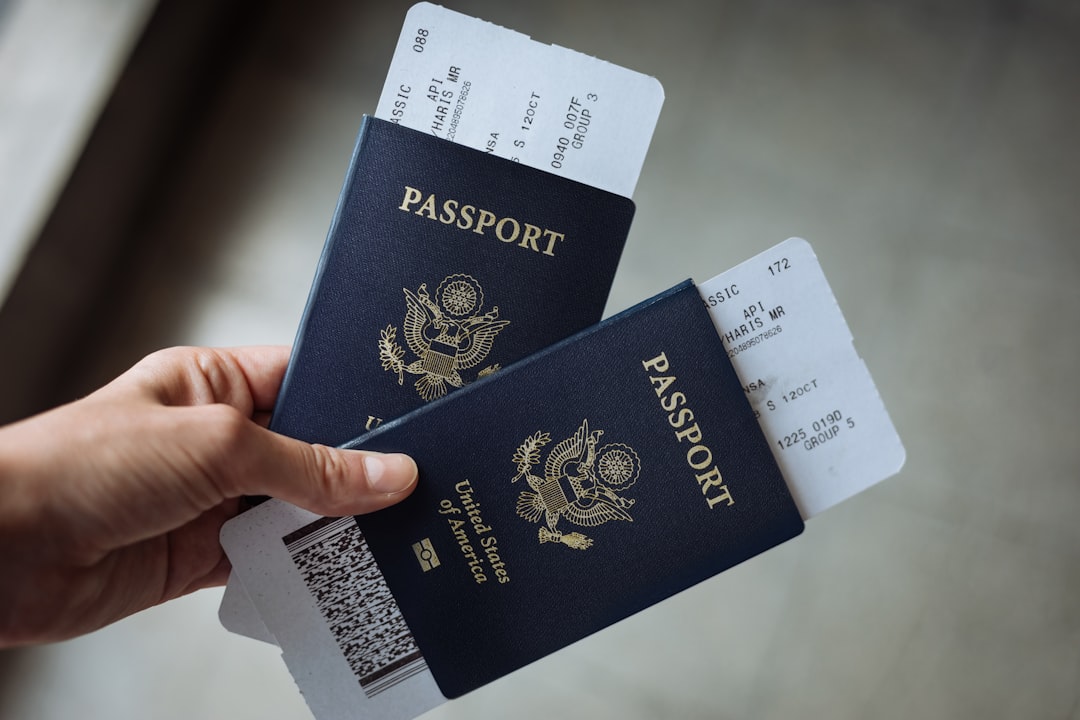
Your identification is the single non-negotiable item. If it does not meet Pearson VUE's requirements you will be turned away and you will forfeit the attempt, which means paying the NCLEX fee again. Per the official NCLEX exam day guidance, an acceptable ID must meet every one of six conditions, not most of them.
Physical. No photos of an ID and no digital versions.
Non-expired. Check the date now, not on the morning of.
Bearing a recent photograph.
Government-issued.
Showing your name in Roman characters, matching your Pearson VUE registration exactly. No initials standing in for a full name and no nicknames.
Signed. If your ID carries no signature, bring a second ID that does, and the name on it must match both your primary ID and your registration.
Which IDs are accepted
Test center | Accepted identification |
|---|---|
Domestic (U.S., Canada) | Passport book or card, driver's license, state or provincial ID card, permanent residence card, military ID card |
International (including Puerto Rico) | Passport book or card only |
If you are testing outside the United States, a passport is your only option. Another government ID meeting all six conditions above is still not accepted.
What counts as a name mismatch
More than candidates expect, and this is the failure that catches people who did everything else right. A middle name printed on your ID but absent from your Pearson registration is a mismatch. A hyphenated surname registered as one word is a mismatch. Compare the two character by character rather than glancing at them.
If they do not match, the fix goes through your nursing regulatory body before exam day, not through the test center on the morning. Your registration details and how they were set are covered in our guide to the ATT and NCLEX registration.
If you have legally changed your name since registering and your ID shows the new one, bring the original supporting document: a marriage license, divorce decree or court order. A copy is not sufficient, and the document supports the ID rather than replacing the need for the registration to be corrected.
What is prohibited, and what is provided
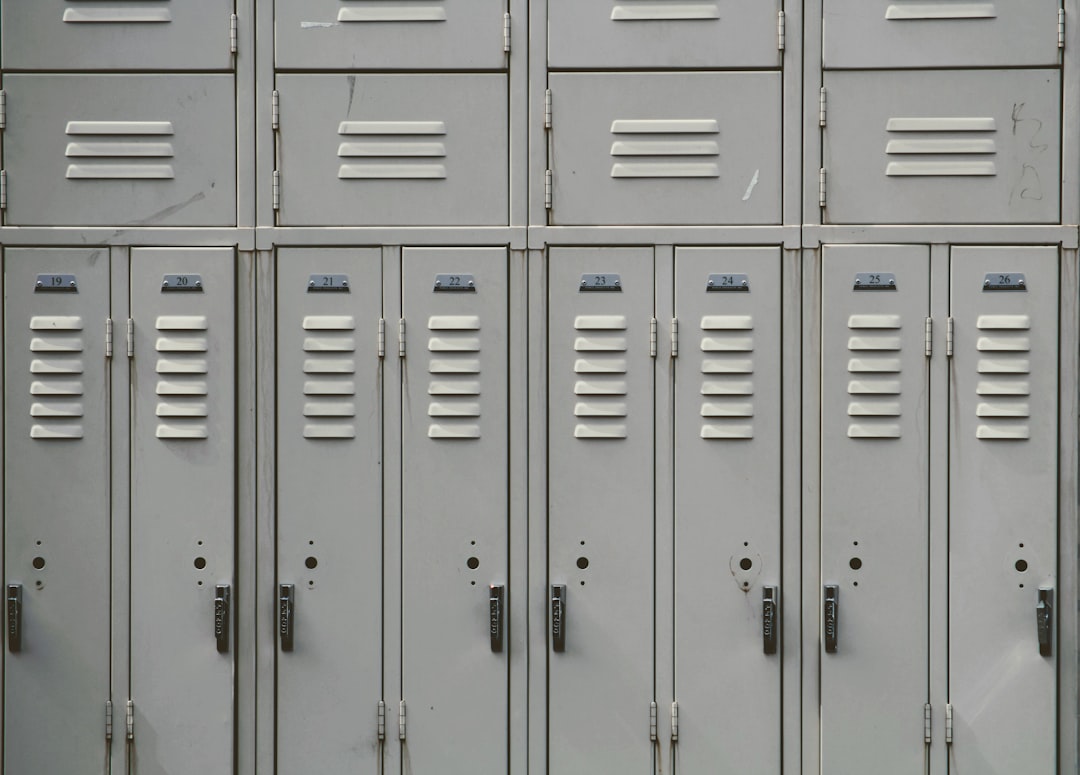
The testing room is a controlled environment, and Pearson operates a zero-tolerance policy on electronic devices. Everything on the first list below must be powered down and stored before you go through screening, and the two lists together are why the answer to "what do I bring" is so short: almost everything you might think to pack is either forbidden or already waiting for you at the workstation. Candidates routinely arrive with a bag of study material and a calculator, and all of it goes straight into a locker.
Leave these outside the testing room:
Cell phones, smartphones, smartwatches and fitness trackers
Tablets and laptops
Study notes, textbooks, reference materials and conversion tables
Scratch paper you brought yourself
Handheld calculators
Outerwear: fleece jackets, hats, scarves, gloves
Purses, bags and wallets
Being found with an unauthorized electronic device at any point during the appointment, including during screening and including after the exam has started, means being dismissed, with forfeiture a real possibility.
Everything you actually need is supplied:
An on-screen calculator built into the exam interface
An erasable note board and marker, handed back at the end
A locker for personal belongings
A sealable plastic bag for electronic devices
Food, drink and medication
None of it is allowed in the testing room. It goes in your locker and you access it during a break. Anything you handle during a break, a wallet or purse included, may be inspected by the administrator. Medication follows the same rule, so plan around break timing if you take something on a schedule.
How test day actually runs
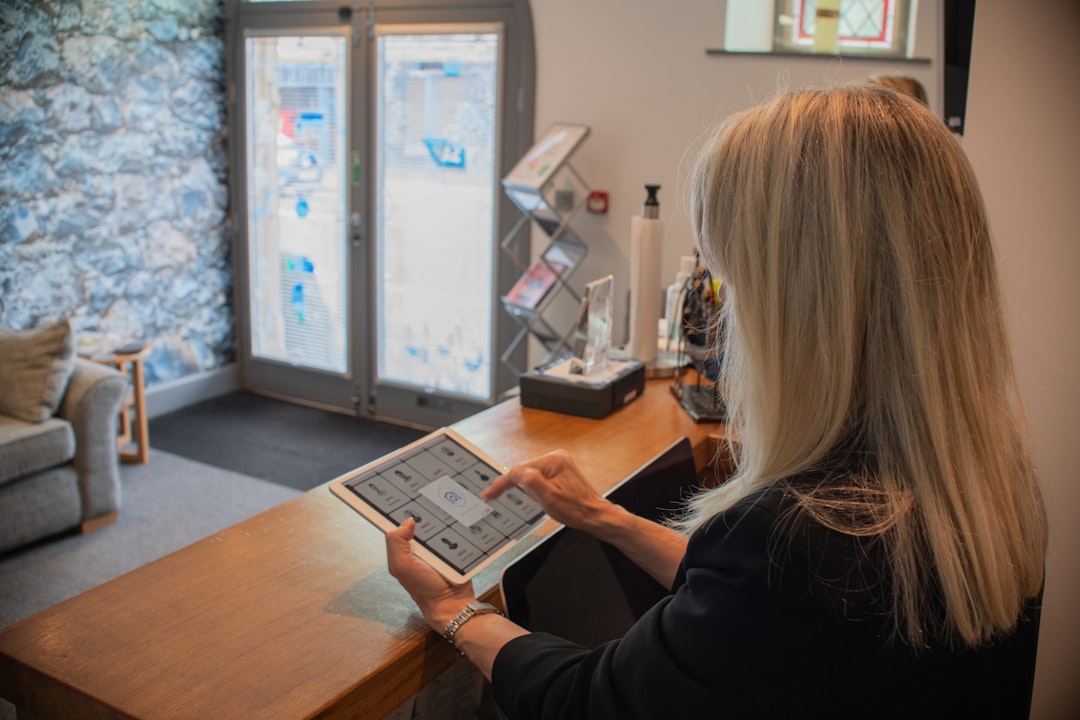
Knowing the sequence removes most of the anxiety, because almost none of it is discretionary. From the door to your workstation, every step is fixed and the same for every candidate: arrive, store devices, show ID, give biometrics, pass a security scan, sign the candidate statement, sit down. Nothing in that chain rewards improvisation, and the only step you can fail is the one involving your identification.
Arrive at least 30 minutes early. Arriving more than 30 minutes after your appointment time may mean forfeiting the appointment and re-registering with a new fee. For getting to the right building on time, see our guide to NCLEX testing centers.
Check-in runs in a fixed order:
Power down and store devices. A sealable bag is provided. Devices go off and in the bag before anything else happens.
Present your ID. The administrator checks it against your Pearson registration.
Biometrics. Your signature, a photograph, and a palm vein scan are captured.
Security scan. Refusing it without a pre-approved exception from your nursing regulatory body means being turned away.
Candidate statement. You read the NCSBN Examination Candidate Rules on screen and sign electronically. This is a legal acknowledgment rather than a formality.
You are shown to your workstation and the exam begins after a brief intro screen.
The palm vein scan
Pearson VUE uses palm vein recognition rather than fingerprinting. It is captured at check-in and again every time you leave and re-enter the testing room. It is quick and contactless, and it is not optional without a pre-approved exception.
Breaks, and the clock that does not stop
The five-hour limit includes your breaks. All of them. The clock runs continuously from the moment you begin, which is the single most important thing to understand about break planning.
Two scheduled optional breaks are built in, the first after roughly two hours of testing and the second after roughly three and a half hours. You can skip either or both.
You can also take an unscheduled break at any point by raising your hand and waiting to be escorted out. On a break you may use the restroom and access food, drink or medication from your locker. You may not access other personal belongings. Do not plan on leaving the building on any break. Confirm the specific policy with your test center if you think you will need to, rather than assuming.
Every break costs you a palm scan on the way out and another on the way back in. Your locker key gets a lanyard attached by the administrator, which stays visible throughout.
Dress for the room
Testing rooms are temperature-controlled and frequently run cool, and outerwear is prohibited. Wear layers you will not need to take off, because taking one off mid-exam is not an option.
At the end
There is a short optional survey after your last question. Raise your hand when you are done and wait to be dismissed. Results are covered in full in our guide to NCLEX results, including the Quick Results service and what your board's official posting means.
Frequently asked questions
Do I need to bring my ATT letter?
No printed copy is needed; your registration is confirmed in the Pearson system. Bring valid ID.
What happens if I forget my ID?
You are turned away, and you re-register and pay the full fee again. There are no exceptions, which is why this article leads with it.
Can I bring a calculator?
No. Handheld calculators are prohibited. An on-screen calculator is built into the exam interface.
Is scratch paper allowed?
Not any you bring yourself. Pearson provides an erasable note board and marker at check-in, which you hand back at the end.
Is the palm scan required?
Yes. It confirms your identity at check-in and on every re-entry from a break. Refusing it without a pre-approved exception from your nursing regulatory body means being turned away.
Can I wear a hijab or religious head covering?
Yes. The NCLEX exam day page states that provisions are made for religious and cultural dress. The restriction on hats and scarves applies to them as general clothing, not as religious attire.
Do breaks count against my testing time?
Yes, all of them. The five-hour window covers scheduled and unscheduled breaks alike.
Written by · Verified educator
Testavia editorial
Nathan Cole
RN
Medical-Surgical nurse & health writer
Meet Nathan, a registered nurse with over five years of experience in Medical-Surgical care, based in New York City. Having worked with a wide range of patients through some of their most vulnerable moments, Nathan brings a grounded, real-world perspective to his writing on healthcare. His goal is simple: to bridge the gap between medical knowledge and everyday understanding, making health topics feel less intimidating and more empowering for everyone. When he's not caring for patients, Nathan channels his passion for medicine into writing that educates, comforts and inspires.
5+
Years in Med-Surg
Medical-Surgical
Specialty
New York City
Based in