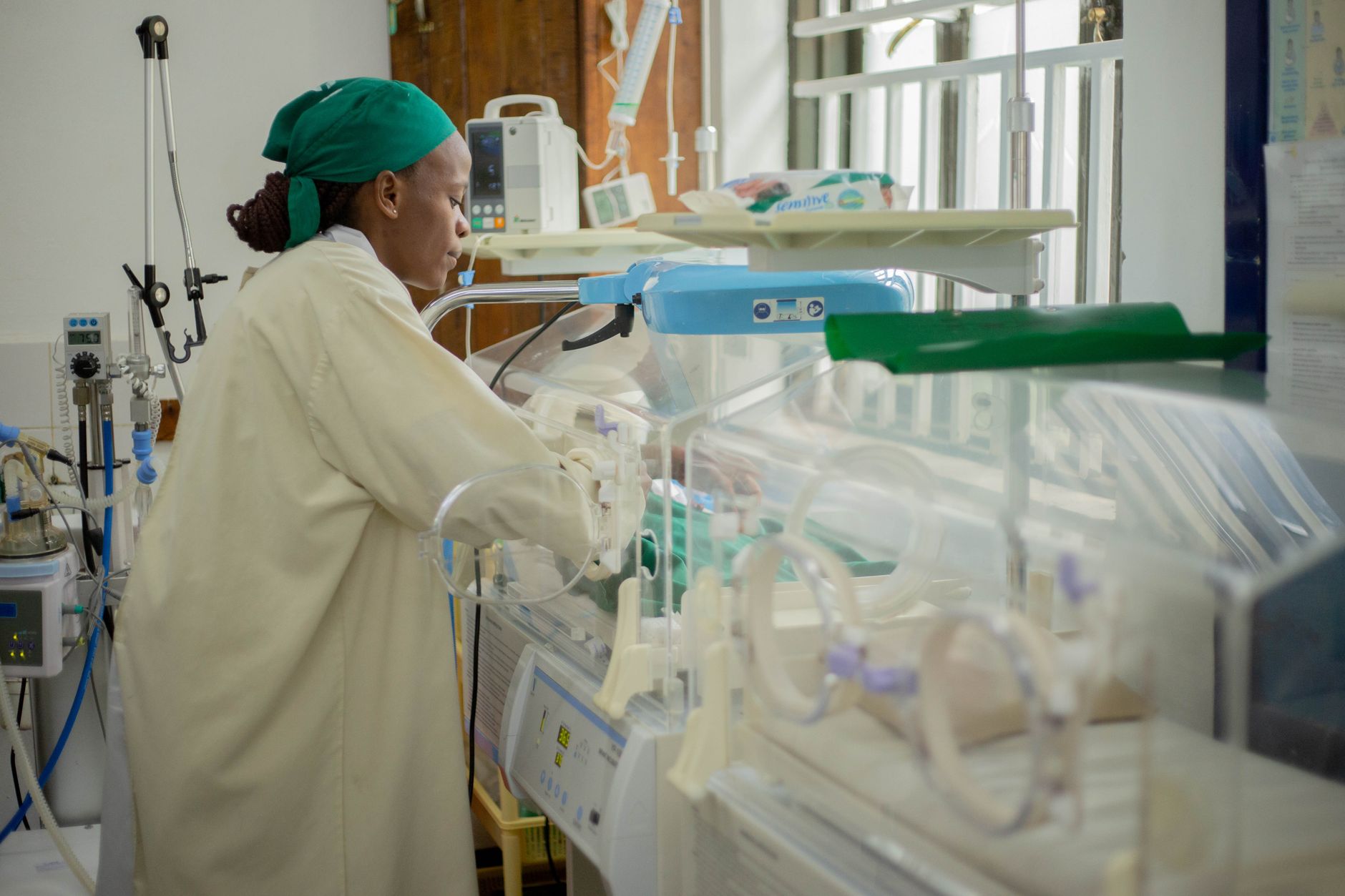
HESI A2 Prep: Start With the Sections Your School Requires
The HESI A2 is modular — nursing programs pick which of up to eight sections you sit, so building a study plan before confirming your required sections wastes real time. Here's how to confirm your sections, build a resource stack, weight your timeline to weak areas, and tell HESI from TEAS.
Editorial
Last reviewed · June 9, 2026

The HESI A2 is modular, which means different nursing programs do not give the exact same version of the exam. Therefore, it would be grievous mistake for you to develop your study plan without first knowing what your school requires. In this guide, we’ll walk you through confirming your required HESI A2 sections, building a resource stack around official and practice material, setting a realistic timeline, and understanding how the HESI A2 compares to the TEAS if you're not yet sure which exam you're prepping for.
Step 1: Find Out Which HESI A2 Sections Your School Requires
Skipping this step is the single most common reason students might over-study or under-study for the HESI A2.
The HESI A2 is built around up to eight possible content areas: Mathematics, Reading Comprehension, Vocabulary, Grammar, Biology, Chemistry, Anatomy and Physiology, and Physics. It’s highly unlikely that a nursing program will require all eight. Instead, schools do select a subset through their Evolve account, which is the reason why the exam is usually described as modular. Two candidates studying for the HESI A2 at two different schools may end up sitting for genuinely different tests.
Majority of the programs has four core sections requirement with no exception: Math, Reading Comprehension, Vocabulary, and Grammar. Beyond those four is where the requirements vary widely. Many of the programs include Anatomy and Physiology, with the sole reason that it connects directly to nursing coursework. Biology shows up fairly often too. Since Chemistry and Physics aren’t directly related, many programs choose not to include them.
Section | How Often It's Required |
|---|---|
Math | Nearly universal |
Reading Comprehension | Nearly universal |
Vocabulary | Nearly universal |
Grammar | Nearly universal |
Anatomy & Physiology | Common |
Biology | Common |
Chemistry | Less common |
Physics | Least common |
Because the number of sections vary, leading to variation in exam length by school, it’s advisable that you should not develop your study plan around numbers you found on a random prep site. confirm your required sections straight from program's administration, and ask whether they can point you to your school's exact Evolve testing configuration before choosing your study resources.

Step 2: Build Your Resource Stack (Official + Practice + Targeted Review)
Once you know your required sections, the next step is choosing resources that actually match how the exam is built and scored, rather than grabbing whatever shows up first in a search.
Start with the official source. Elsevier, the publisher behind HESI, produces the Admission Assessment Exam Review, commonly referred to as the official HESI a2 study guide. It will walk you through each tested topic, includes worked examples, and comes with a companion practice platform through Evolve. Since Elsevier writes the actual exam, this resource reflects the real structure and tone of the questions more closely than third-party material can.
Layer in practice tests next. A good HESI practice test does two things well: it gives you realistic question formats to get comfortable with, and it shows you where your actual weak spots are before test day, not after. There are reputable test-prep companies that offer free or paid HESI A2 practice tests built around the section list we’ve listed above.
They stress that the HESI A2 is modular, where it’s your nursing school that chooses which sections to require (usually 4–8 out of 8). Their free diagnostic asks which sections you need and builds a custom plan (no wasted time on unrequired subjects).
Testavia, is one of them, offering 1,400+ HESI-specific practice questions, 45+ hours of video lessons. Section-level diagnostics, two full-length timed mock exams, and Adaptive practice that focuses on your weak areas.
Add targeted review for your weakest areas. Instead of rereading everything you already learned in school, targeted review means going back to the specific concept categories you're consistently missing, whether that's unit conversions in Math or root-word patterns in Vocabulary, and drilling those until they're solid.
Resource Type | What It's Best For | Example |
|---|---|---|
Official guide | Matching real exam tone and structure | Elsevier's Admission Assessment Exam Review |
Practice tests | Realistic question exposure and gap-finding | Testavia’s HESI A2 practice tests |
Targeted review | Fixing specific, repeated mistakes | Root-word drills, math conversion practice |
A resource stack built this way avoids two common traps: studying material that doesn't reflect the real exam, and spending equal time on every topic instead of the ones actually pulling your score down.

Step 3: Set Your Prep Timeline and Section Weighting
With your sections confirmed and your resources chosen, the last planning step is deciding how much time to give each one.
Start with a diagnostic. Before you decide how many weeks you’ll study, it’s important that you take a full practice test across your required sections. This will tell you where you're already strong, where you're shaky, and where you need to start from closer to scratch. Building a HESI prep plan before this step usually means guessing at your own weaknesses instead of confirming them.
Weight your remaining time toward your weakest sections, not your most comfortable ones. If your diagnostic shows Vocabulary and Grammar are your strongest but Anatomy and Physiology are your weakness, your schedule should reflect that gap directly. It would be a mistake if you’d invest your time equally across every section out of a sense of fairness, when the goal is actually raising your lowest scores, not maintaining your highest ones.
Below is an example of A general HESI study schedule. You can adjust it to whichever sections your school actually requires
Week | Focus |
|---|---|
Week 1 | Diagnostic test, identify weak sections |
Weeks 2-3 | Heaviest review on your two lowest-scoring sections |
Week 4 | Lighter review on remaining required sections |
Week 5 | Mixed practice tests across all required sections |
Final days | Light review only, plus rest before test day |
How long to study?
The study length for the HESI A2 depends heavily on how many sections you're required to take and how close your diagnostic scores already are to your program's minimum. A student tested only on the four core sections with strong diagnostic scores might need two to three focused weeks. A student covering six or more sections, including weaker science areas, often benefits from five or six weeks of structured prep. There's no single universal timeline, which is exactly why the diagnostic step matters more than picking a number off a calendar.
HESI A2 vs. TEAS: Which Are You Prepping For?
Many nursing programs will accept either the HESI A2 or the TEAS, not both. Some students preparing for one occasionally discover they actually need the other. It's therefore worth to confirm what your school require before you study, since the two exams differ in structure.
The TEAS uses a fixed format. Every test-taker sits for the same four sections, in the same order, with the same overall time limit. The HESI A2, by contrast, is modular, meaning your specific section list depends entirely on what your school selects through Evolve.
Feature | HESI A2 | TEAS |
|---|---|---|
Structure | Modular, school selects sections | Fixed, same four sections for everyone |
Possible sections | Up to 8 (Math, Reading, Vocabulary, Grammar, Biology, Chemistry, A&P, Physics) | 4 (Reading, Math, Science, English and Language Usage) |
Section variation by school | High | None |
Published by | Elsevier | ATI |
If you're unsure which exam your program requires, that's worth confirming before you choose any study materials, since prepping for the wrong exam, or the wrong section list within the HESI A2, wastes real time you could be spending on the sections you'll actually sit for.You can learn more about the two programs in our blog : TEAS vs HESI A2: Which Nursing Entrance Exam Is Harder?
Written by · Verified educator
Testavia editorial
Nathan Cole
RN
Medical-Surgical nurse & health writer
Meet Nathan, a registered nurse with over five years of experience in Medical-Surgical care, based in New York City. Having worked with a wide range of patients through some of their most vulnerable moments, Nathan brings a grounded, real-world perspective to his writing on healthcare. His goal is simple: to bridge the gap between medical knowledge and everyday understanding, making health topics feel less intimidating and more empowering for everyone. When he's not caring for patients, Nathan channels his passion for medicine into writing that educates, comforts and inspires.
5+
Years in Med-Surg
Medical-Surgical
Specialty
New York City
Based in