Endocrine NCLEX Questions: DKA vs HHS, Thyroid & Adrenal
Endocrine items test whether you can separate conditions that share a presenting sign and demand opposite actions. DKA against HHS, Addison's against Cushing's, SIADH against diabetes insipidus, with comparison tables and six practice questions carrying a rationale on every answer option.
Editorial
Last reviewed · July 7, 2026
Medically reviewed
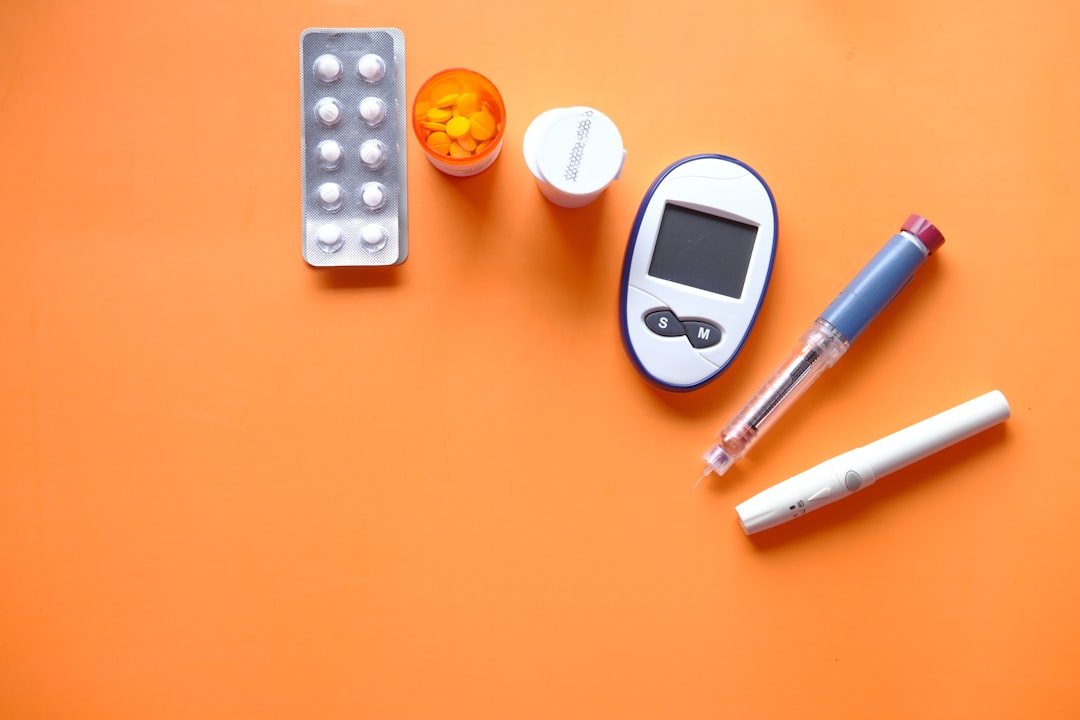
Endocrine content is where the NCLEX tests whether you can separate conditions that look similar and demand opposite actions. DKA against HHS. Addison's against Cushing's. SIADH against diabetes insipidus. Each pair shares a presenting feature and diverges completely at the point of intervention.
Under the NCSBN NCLEX-RN test plan, endocrine content sits mainly in Physiological Adaptation and Reduction of Risk Potential. In practice that means the questions are about safety, priority and recognizing when a hormone imbalance has become an emergency, rather than about recalling a mechanism.
> This article is exam preparation, not a clinical protocol. Thresholds and sequences vary between institutions. Follow your facility's protocol and current prescriber orders in practice.
What endocrine content does the NCLEX test?
Endocrine is not a standalone category on the test plan. It is distributed across the exam, and the questions concentrate on recognizing hormone imbalance, prioritizing intervention and catching complications early. Four areas account for most of what you will see.
Pancreas and glucose metabolism. Type 1 versus Type 2 diabetes, the diabetic emergencies DKA and HHS, hypoglycemia recognition and treatment, and insulin onset, peak and duration.
Thyroid and parathyroid. Hypothyroidism versus hyperthyroidism, plus the emergencies: myxedema coma and thyroid storm.
Pituitary. Principally SIADH versus diabetes insipidus, opposite ADH disorders with opposite fluid and sodium patterns.
Adrenal. Addison's disease versus Cushing's syndrome, and recognition of adrenal crisis.
Endocrine questions lean heavily on electrolyte interpretation, so they overlap with fluid and electrolyte questions and reward familiarity with normal lab values.
DKA vs. HHS: the differentiation you must know
Both present with hyperglycemia, which is why they are confused, and both require insulin and IV fluids. What differs is ketosis, acidosis and, critically for exam purposes, the order of intervention. Getting the sequence wrong is the most common way candidates lose these items.
Per the ADA Standards of Care in Diabetes, DKA presents with metabolic acidosis, significant ketosis and glucose typically 300 to 800 mg/dL. HHS presents without significant ketosis or acidosis, with glucose often above 600 mg/dL, and with profound dehydration and altered mental status.
In DKA the priority sequence is:
Check potassium first. IV insulin drives potassium intracellularly. Starting insulin in a patient who is already hypokalemic can precipitate a fatal arrhythmia. ADA guidance is to withhold insulin and replace potassium first when serum potassium is below approximately 3.3 mEq/L.
IV normal saline for fluid resuscitation.
IV insulin infusion, once potassium is confirmed safe.
In HHS the priority sequence inverts:
Aggressive IV fluid resuscitation with normal saline. Severe dehydration is the primary driver of morbidity and mortality here.
Insulin second, initiated once fluids are underway.
Feature | DKA | HHS |
|---|---|---|
Primary population | Type 1 DM (can occur in Type 2) | Type 2 DM |
Blood glucose | ~300–800 mg/dL | Often >600 mg/dL, sometimes >1,000 |
Ketosis | Present (blood and urine ketones) | Absent or minimal |
Acidosis | Yes (pH <7.3, bicarbonate <18 mEq/L) | No significant acidosis |
Respirations | Kussmaul (deep and rapid) | Normal |
Breath | Fruity or acetone odor | Normal |
Mental status | May be altered | Significantly altered |
Dehydration | Present | Severe |
Mortality | Lower than HHS | Higher than DKA |

Thyroid disorders: hypothyroidism, hyperthyroidism and thyroid storm
Thyroid items test two things: whether you can separate two conditions with opposite metabolic effects, and whether you recognize the emergency each one decompensates into. Hypothyroidism slows metabolism and can progress to myxedema coma; hyperthyroidism accelerates it and can progress to thyroid storm. Almost every finding runs in opposite directions between them, so if you can anchor one column of the table below, the other follows by inversion rather than by separate memorization.
Hypothyroidism slows everything: cold intolerance, weight gain, fatigue, bradycardia, constipation, dry skin, coarse hair, depression. Untreated it can progress to myxedema coma, characterized by hypothermia, bradycardia, hypoventilation and decreased consciousness.
Treatment is levothyroxine replacement, and the most reliably tested teaching point is that it is lifelong. A patient saying "I will stop taking my medication when I feel better" indicates a need for further teaching.
Hyperthyroidism accelerates everything: heat intolerance, weight loss, tachycardia, diarrhea, anxiety, fine tremor, diaphoresis, and exophthalmos in Graves' disease. Its emergency is thyroid storm, precipitated by surgery, infection, trauma or iodinated contrast, presenting with hyperthermia, severe tachycardia, hypertension, agitation and risk of cardiac failure.
Feature | Hypothyroidism | Hyperthyroidism |
|---|---|---|
Temperature tolerance | Cold intolerance | Heat intolerance |
Weight | Weight gain | Weight loss |
Heart rate | Bradycardia | Tachycardia |
Bowel function | Constipation | Diarrhea |
Energy level | Fatigue, depression | Anxiety, restlessness |
Skin and hair | Dry skin, coarse hair | Diaphoresis, fine tremor |
Unique feature | Periorbital puffiness | Exophthalmos (Graves' disease) |
Emergency | Myxedema coma | Thyroid storm |
Adrenal disorders: Addison's, Cushing's and adrenal crisis
These items test whether you can distinguish cortisol deficiency from cortisol excess by reading the lab pattern rather than the patient narrative. Addison's disease is too little cortisol, Cushing's syndrome is too much, and the electrolytes invert cleanly between them: low sodium and high potassium in Addison's, the reverse in Cushing's. The emergency to recognize is adrenal crisis, which develops in Addison's under physiological stress and is immediately life-threatening.
Addison's disease is adrenal insufficiency: inadequate cortisol and often aldosterone. Expect hyponatremia, hyperkalemia, hypoglycemia, hypotension, fatigue, weight loss and bronze hyperpigmentation. Its emergency is adrenal crisis, triggered by physiological stress such as illness, surgery or trauma, presenting with severe hypotension, vomiting, fever and shock, and requiring immediate IV hydrocortisone and fluids.
Cushing's syndrome is chronic cortisol excess: truncal obesity, moon face, buffalo hump, thin fragile skin, abdominal striae, muscle weakness, hyperglycemia, hypertension and hypokalemia. A recurring exam focus is that sustained cortisol excess suppresses immune function, raising infection risk and delaying wound healing.
Notice that the two run opposite on every electrolyte. That is the pattern the exam is testing.
Feature | Addison's disease | Cushing's syndrome |
|---|---|---|
Sodium | Low (hyponatremia) | Normal to high |
Potassium | High (hyperkalemia) | Low (hypokalemia) |
Blood glucose | Low (hypoglycemia) | High (hyperglycemia) |
Blood pressure | Low (hypotension) | High (hypertension) |
Weight | Weight loss | Weight gain (truncal) |
Skin | Bronze hyperpigmentation | Striae, thin fragile skin |
Unique features | Weakness, fatigue | Moon face, buffalo hump |
Fracture risk | Low | High (osteoporosis) |
SIADH vs. diabetes insipidus: opposite everything
These two are a predictable NCLEX pair because they are exact inverses of one another. SIADH is excess ADH; diabetes insipidus is ADH deficiency, or renal unresponsiveness to it. Excess ADH retains water, so sodium falls and urine concentrates. Deficient ADH dumps water, so sodium rises and urine dilutes. Treatment inverts on the same axis: restrict fluid in SIADH, replace it plus desmopressin in DI. Confusing the two means giving the exact intervention that worsens the patient.
In SIADH, excess ADH causes water retention, producing dilutional hyponatremia and low serum osmolality while urine stays inappropriately concentrated. In DI, the inability to retain water produces hypernatremia and high serum osmolality, with large volumes of dilute urine and low specific gravity.
Treatment inverts too: SIADH is managed with fluid restriction and cautious sodium correction, DI with desmopressin and fluid replacement.
Feature | SIADH | Diabetes insipidus |
|---|---|---|
ADH level | Excess | Deficient |
Urine output | Low (oliguria) | High (polyuria) |
Urine concentration | Concentrated | Dilute (specific gravity <1.005) |
Serum sodium | Low (hyponatremia) | High (hypernatremia) |
Serum osmolality | Decreased | Increased |
Thirst | Absent or mild | Extreme polydipsia |
Primary treatment | Fluid restriction | Desmopressin (DDAVP) + fluids |

Endocrine NCLEX practice questions with rationales
Six original items covering the highest-yield endocrine content, aligned to the NCSBN test plan. Every answer option carries a rationale, because knowing why a distractor is wrong is what transfers to the next question, and it is the reasoning the Clinical Judgment Measurement Model is built to assess.
Question 1 — DKA: priority action before insulin
A patient with Type 1 diabetes presents in DKA. Blood glucose 520 mg/dL, pH 7.18, potassium 2.8 mEq/L. The provider orders an IV insulin infusion. What is the nurse's priority action before starting it?
A. Begin the IV insulin infusion immediately as ordered B. Administer IV potassium replacement per order before initiating insulin C. Insert a urinary catheter to monitor output D. Obtain a 12-lead ECG before any intervention
Correct answer: B.
A is incorrect. Insulin drives potassium intracellularly. Giving it to a patient at 2.8 mEq/L would deepen an already dangerous hypokalemia and risk fatal arrhythmia.
B is correct. Potassium below roughly 3.3 mEq/L must be corrected before insulin is started. This is a safety sequence, not a preference.
C is incorrect. Monitoring output matters in DKA management but is not the priority when a lethal electrolyte derangement is pending.
D is incorrect. An ECG is reasonable given the hypokalemia, but it is assessment, not the intervention that removes the danger. Correcting the potassium is the action.
Question 2 — HHS: priority intervention
A patient with Type 2 diabetes presents with glucose 1,150 mg/dL, markedly elevated serum osmolality, dry mucous membranes, altered mental status and no ketosis. Priority intervention?
A. Initiate an IV insulin infusion immediately B. Administer oral fluids to correct dehydration C. Initiate aggressive IV fluid resuscitation with normal saline per order D. Place the patient on continuous cardiac monitoring
Correct answer: C.
A is incorrect. This is the DKA reflex applied to the wrong condition. In HHS, insulin before adequate volume can worsen intravascular depletion.
B is incorrect. The patient has altered mental status, so oral fluids are unsafe on aspiration grounds alone, and the deficit is far too large for oral replacement.
C is correct. Profound dehydration is the primary driver of mortality in HHS, so volume comes first.
D is incorrect. Appropriate supportive monitoring, but it does not treat the problem.
Question 3 — thyroid storm recognition
On postoperative day 1 following thyroidectomy, a patient has a temperature of 105°F, heart rate 160 bpm, severe agitation and confusion. The nurse recognizes:
A. Expected postoperative inflammation following thyroidectomy B. Thyroid storm, a life-threatening hyperthyroid emergency C. Malignant hyperthermia from anesthesia D. Sepsis secondary to surgical site infection
Correct answer: B.
A is incorrect. A temperature of 105°F with a heart rate of 160 is not an expected postoperative finding under any circumstances.
B is correct. Hyperthermia, severe tachycardia and neurological change after thyroid surgery is thyroid storm, precipitated by surgical stress. Treatment includes antithyroid drugs, beta-blockers, corticosteroids and cooling.
C is incorrect. Malignant hyperthermia presents intraoperatively or in the immediate post-anesthesia period, with muscle rigidity and rising end-tidal CO2, not on day 1.
D is incorrect. Surgical site infection this early is unlikely, and sepsis would not typically produce this degree of agitation with hypertension.
Question 4 — Addison's disease: discharge teaching
A patient with Addison's disease is discharged on hydrocortisone. Which statement indicates correct understanding?
A. "I will stop taking my medication once I start feeling better." B. "I should take my medication on an empty stomach." C. "I will increase my dose during illness or stress and never stop my medication without calling my doctor." D. "I only need to take this medication when my symptoms flare up."
Correct answer: C.
A is incorrect. Abrupt corticosteroid cessation can precipitate adrenal crisis. This is the single most dangerous misunderstanding in Addison's teaching.
B is incorrect. Corticosteroids are generally taken with food to reduce gastric irritation.
C is correct. Stress dosing during illness, injury or surgery is required because the adrenal glands cannot raise cortisol output. Patients should also carry medical alert identification.
D is incorrect. Replacement therapy is continuous, not symptom-triggered. Waiting for symptoms means waiting for crisis.
Question 5 — SIADH: complication of treatment
A patient with SIADH is treated with hypertonic saline. Serum sodium rises from 112 mEq/L to 128 mEq/L over 8 hours. What complication does the nurse monitor for?
A. Hyperkalemia from rapid fluid shifts B. Pulmonary edema from fluid overload C. Osmotic demyelination syndrome from overly rapid sodium correction D. Cerebral edema from hypertonic saline administration
Correct answer: C.
A is incorrect. Sodium correction does not directly produce hyperkalemia.
B is incorrect. Plausible with volume expansion, but not the complication this specific rate of change signals.
C is correct. A 16 mEq/L rise in 8 hours far exceeds the recommended limit of roughly 8 to 10 mEq/L per 24 hours. Osmotic demyelination syndrome, formerly central pontine myelinolysis, presents with dysarthria, dysphagia and altered consciousness.
D is incorrect. Cerebral edema is a risk of hyponatremia itself or of over-rapid lowering of sodium, not of correcting it upward too fast.
Question 6 (NGN matrix item) — SIADH vs. diabetes insipidus
Patient A: urine output 8 L/day, serum sodium 158 mEq/L, urine specific gravity 1.001, extreme thirst, signs of dehydration. Patient B: scant urine output, serum sodium 118 mEq/L, urine specific gravity 1.030, confusion.
Indicate whether each finding is consistent with SIADH or diabetes insipidus.
Clinical finding | SIADH | Diabetes insipidus |
|---|---|---|
Polyuria (high urine output) | ✓ | |
Hyponatremia (low serum sodium) | ✓ | |
Hypernatremia (elevated serum sodium) | ✓ | |
Concentrated urine (high specific gravity) | ✓ | |
Dilute urine (low specific gravity) | ✓ | |
Extreme thirst (polydipsia) | ✓ |
Rationale. Patient A is diabetes insipidus and Patient B is SIADH. SIADH retains water through excess ADH, producing dilutional hyponatremia with concentrated urine. DI loses water through ADH deficiency, producing hypernatremia with very dilute urine. Every finding inverts between them, which is exactly why the pair is examined as a matrix item: the format rewards reading the pattern rather than recalling one fact.
For more on this item type, see our guide to NGN NCLEX questions and to prioritization questions.
Written by · Verified educator
Testavia editorial
Nathan Cole
RN
Medical-Surgical nurse & health writer
Meet Nathan, a registered nurse with over five years of experience in Medical-Surgical care, based in New York City. Having worked with a wide range of patients through some of their most vulnerable moments, Nathan brings a grounded, real-world perspective to his writing on healthcare. His goal is simple: to bridge the gap between medical knowledge and everyday understanding, making health topics feel less intimidating and more empowering for everyone. When he's not caring for patients, Nathan channels his passion for medicine into writing that educates, comforts and inspires.
5+
Years in Med-Surg
Medical-Surgical
Specialty
New York City
Based in