FNP Programs: The Generalist Choice, and What It Costs You
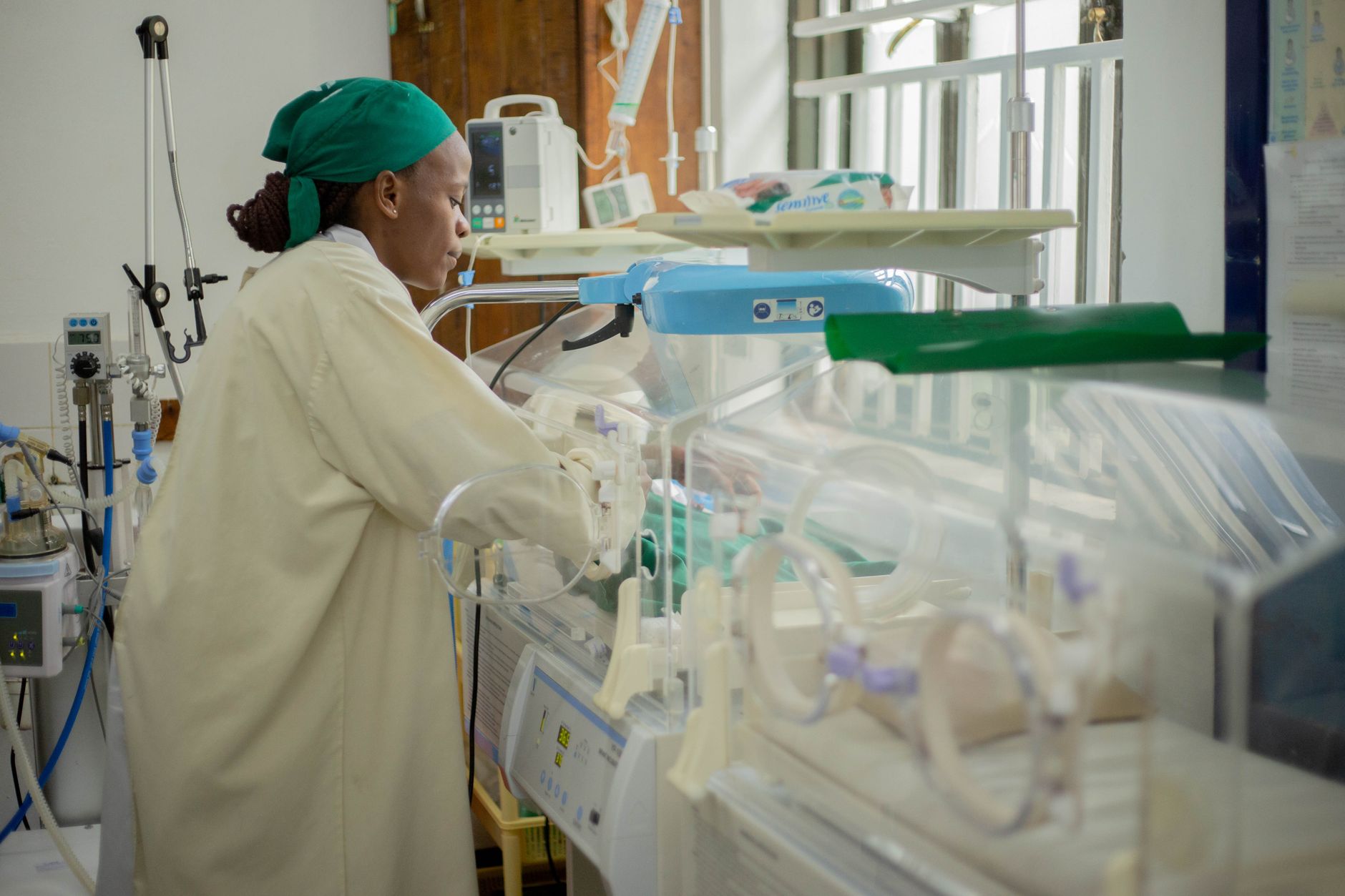
Family Nurse Practitioner programs are the most popular advanced practice track, offering breadth across the entire lifespan. But that breadth trades away depth, and the flexibility has real limits: inpatient acute care and specialty practices frequently prefer population-specific NPs.
Editorial
Last reviewed · July 25, 2026

Family Nurse Practitioner programs are the most popular option in advanced practice nursing, and for good reasons: flexibility, a wide range of job opportunities, and the ability to treat patients of all ages. But the path carries a real opportunity cost. Before you commit, it is worth understanding what "generalist" training actually involves, where its limits sit, and whether a family focus genuinely matches your career goals.
What is an FNP program?
A Family Nurse Practitioner program is a graduate nursing track — MSN, DNP, or post-master's certificate — that prepares an RN to deliver primary care across the entire lifespan, from infants to older adults. It is one of several population-focused NP tracks, and it is the broadest of them. Graduates sit for national certification through the American Academy of Nurse Practitioners Certification Board or the American Nurses Credentialing Center, then apply for APRN licensure in their state.
The defining feature is breadth. Where an Adult-Gerontology or Pediatric track narrows to one population and goes deep, the FNP covers everyone and accepts less depth in exchange. That trade is the whole decision.
What the family focus actually covers
FNP programs equip nurses to manage primary care throughout a person's life. Coursework spans pediatrics, adolescent health, adult medicine, and geriatrics, and students learn well-child visits, chronic disease management, acute illness, and preventive counseling for whole families.
An FNP curriculum usually includes:
Advanced health assessment — for pediatric, adult, and geriatric populations
Advanced pathophysiology — common chronic and acute conditions across age groups
Advanced pharmacology — including dosing variation between children, adults, and older patients
Primary care management — conditions such as hypertension, diabetes, asthma, and minor injuries
Health promotion and disease prevention — screening guidelines and immunization schedules
Clinical rotations — family medicine, pediatrics, women's health, and adult-gerontology settings
Graduates typically complete around 500 to 700 clinical hours, though this varies by school and by degree level — MSN, post-master's certificate, or DNP.
That training does not provide the depth you would get from a specialized program. An FNP learns enough pediatrics to manage a child's ear infection, but not enough to take on a complex pediatric oncology case. The same applies at the other end of the lifespan. An FNP program prepares you for common primary care problems, not the specialized care that acute or psychiatric tracks cover.

Flexible isn't universal
FNP flexibility is real but bounded. An FNP can work across family practice clinics, urgent care, retail health, community health centers, and specialty offices that need a generalist, and FNP roles appear in more job listings than any other NP specialty — primary care shortages are widespread and family practices exist everywhere. What that flexibility does not do is open every door in nursing.
Four limits matter:
Scope of practice laws still apply. Some states restrict what an FNP can do without physician supervision, regardless of how broad the training was.
Specialty employers often prefer specialty-trained NPs. A cardiology practice will usually favor an Adult-Gerontology NP over an FNP, even one who saw adult patients throughout training.
Hospital inpatient roles often exclude FNPs. Acute care settings typically require an Acute Care NP credential, because FNP training is oriented to outpatient care.
Pediatric-only or geriatric-only practices may pass over generalists. A dedicated pediatric clinic will often prefer a Pediatric NP whose entire training centered on children.
Knowing this in advance prevents an expensive misconception about what the credential actually buys.
Here is how FNP training compares with the other common population-focused tracks:
Track | Age range covered | Typical setting | Best fit for |
|---|---|---|---|
FNP (Family) | Birth through end of life | Primary care, urgent care, community clinics | Nurses who want broad, varied patient populations |
AGNP (Adult-Gerontology) | Young adult through elderly | Primary or acute adult care | Nurses focused on adult chronic disease or hospital-based adult care |
PNP (Pediatric) | Birth through young adulthood | Pediatric clinics, children's hospitals | Nurses set on working exclusively with children |
PMHNP (Psychiatric-Mental Health) | Lifespan | Behavioral health clinics, inpatient psychiatry, telehealth | Nurses drawn to mental health assessment and psychopharmacology |

Choose the population, not the default
FNP is frequently chosen by default rather than by decision, and that is where the cost shows up. The programs are widely available, often fully online, and marketed as the safe option for nurses who are not yet sure what they want. Admissions advisors sometimes steer applicants toward FNP because it satisfies the broadest labor-market demand. But safe and right are different things.
Three questions are worth answering honestly before you apply:
What patient population genuinely interests you? If you already know you want to work with children, critically ill adults, or patients with mental health conditions, a focused NP track will prepare you better than an FNP will.
Where do you want to work? If outpatient primary care appeals, FNP training fits well. If you are aiming at inpatient acute care, an FNP may mean additional certification later. Our guides to PACU nursing, CNOR certification, and PALS certification cover several of those adjacent routes.
How certain are you about your future setting? If you genuinely do not know — which is common — the FNP's breadth is a reasonable hedge. It keeps more doors open than a narrow track while you work out where you fit.
Choosing FNP because it looks like the simplest option can cost you later. Some nurses discover mid-career that they want to work solely in geriatrics or pediatrics, and end up pursuing a post-graduate certificate to acquire that depth. That is time and tuition a more deliberate choice would have saved.
If you are earlier in the journey and have not yet earned your BSN, your undergraduate choice matters here too. Our ADN vs BSN guide explains how the initial degree shapes your route into graduate school, and our breakdown of how long nursing school takes sets out the timeline. If you are preparing for admission now, our nursing school prep resources cover the subjects to master well before the NP level.
Frequently Asked Questions
Are FNP programs harder to get into than other NP specialties?
Not typically. Admission requirements are broadly similar across NP tracks: a BSN, an active RN license, a minimum GPA, and clinical experience. FNP programs are not more selective, just more commonly offered — which means more seats, but also more applicants.
Can an FNP work in a hospital?
FNPs can work in hospital-affiliated outpatient clinics, but inpatient acute care roles usually require an Acute Care Nurse Practitioner credential instead. If hospital-based care is your goal, an AGNP or ACNP track fits better than FNP.
Do FNP graduates earn less than specialty NPs?
Pay varies more by setting and geography than by specialty title. Some tracks, particularly psychiatric and acute care, tend to command higher averages, but a well-placed FNP in a high-demand area can out-earn a specialty NP in a saturated market. Our nurse practitioner salary breakdown covers what actually moves the number.
Is it possible to switch specialties after completing an FNP program?
Yes, through a post-graduate certificate program. It adds time and cost, so it is worth thinking through your intended population early rather than assuming you can pivot painlessly later.
How long does it typically take to complete an FNP program?
Most MSN-FNP programs take two to three years full time. DNP-FNP programs usually run three to four years, depending on whether you enter with a BSN or already hold an MSN.
The bottom line
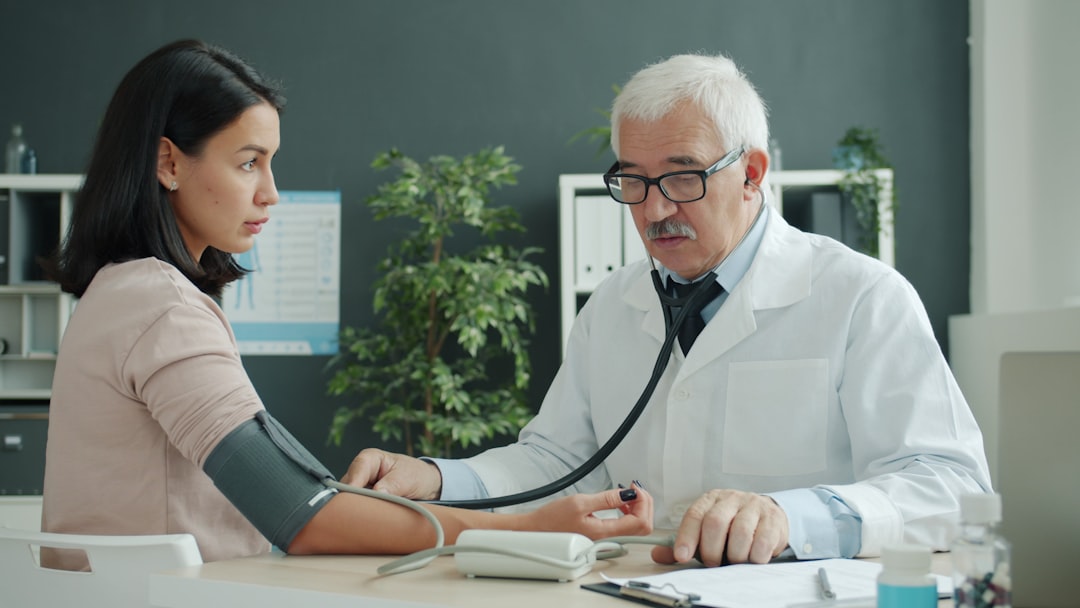
FNP programs remain the generalist workhorse of advanced practice nursing, and that is simultaneously their strength and their limit. The breadth that makes an FNP employable almost anywhere in outpatient primary care is the same breadth that keeps them out of inpatient acute care and out of specialty practices that want population-specific depth. Whether that trade favors you depends entirely on whether you already know which patients you want.
The broad lifespan focus opens more job listings and keeps career options wide, but it trades away the depth that population-specific tracks offer in pediatrics, adult-gerontology, acute care, or psychiatric nursing.
Choose FNP because outpatient, whole-family primary care genuinely appeals to you — not because it feels like the default or the safest box to check. If you already know which patient population pulls at you, a specialty track will likely serve your career better and save you a second round of schooling. Either way, match the program to your actual clinical interests rather than to its reputation for flexibility.
Written by · Verified educator
Testavia editorial
Nathan Cole
RN
Medical-Surgical nurse & health writer
Meet Nathan, a registered nurse with over five years of experience in Medical-Surgical care, based in New York City. Having worked with a wide range of patients through some of their most vulnerable moments, Nathan brings a grounded, real-world perspective to his writing on healthcare. His goal is simple: to bridge the gap between medical knowledge and everyday understanding, making health topics feel less intimidating and more empowering for everyone. When he's not caring for patients, Nathan channels his passion for medicine into writing that educates, comforts and inspires.
5+
Years in Med-Surg
Medical-Surgical
Specialty
New York City
Based in