OR Nurse: What Operating Room Nurses Do and How to Become One
Operating room nursing splits into two distinct jobs: the scrub nurse inside the sterile field managing instruments, and the circulating nurse running the room and documenting the case. What each role does, how to enter through a perioperative residency, and what CNOR requires.
Editorial
Last reviewed · June 29, 2026
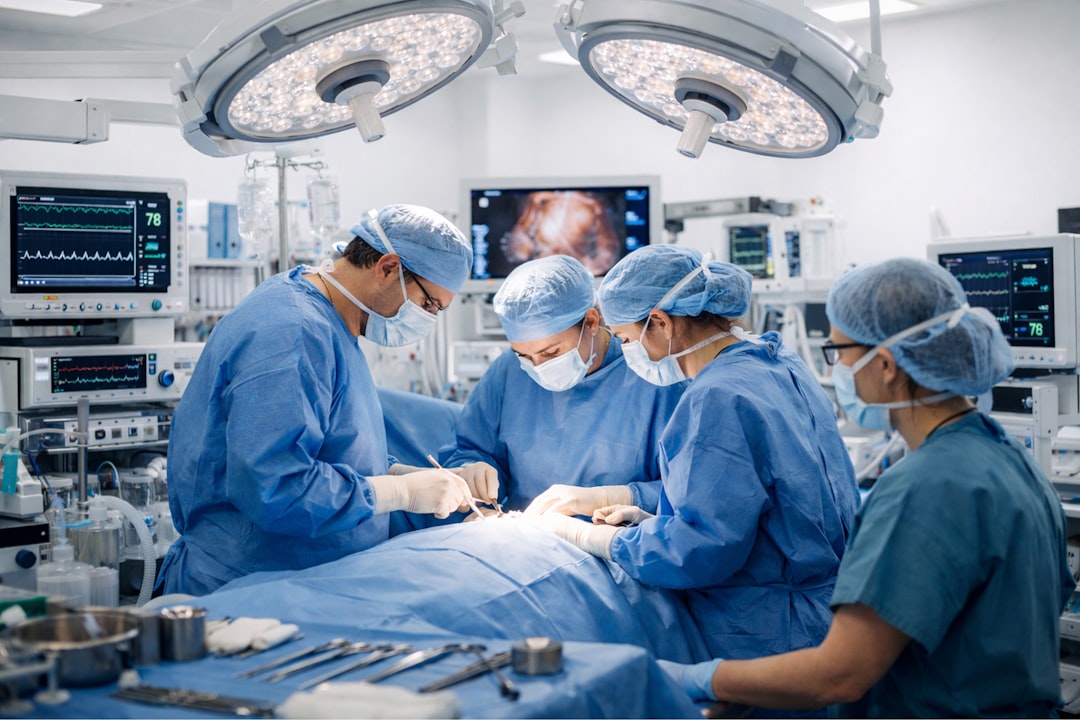
Operating room nurses, perioperative nurses to use the formal title, are with you before you go under and again when you wake up. Their most demanding work happens in between, while you cannot advocate for yourself at all.
Inside the room, the work splits in two. Scrub nurses stay inside the sterile field, setting up instruments and passing them to the surgeon on cue. Circulating nurses handle everything outside it: documentation, room logistics, and patient safety oversight while the patient is under anesthesia.
An RN license is the entry requirement. After passing the NCLEX-RN, most new perioperative nurses enter through a structured residency rather than picking the specialty up on the job. Many later earn the Certified Perioperative Nurse (CNOR) credential through the Competency & Credentialing Institute. Certification is optional, but it is the recognized marker of perioperative competence.
What is an OR (perioperative) nurse?
A perioperative RN manages patient care across the full surgical episode: from pre-op preparation, through the operation itself, and into recovery. The role divides into three phases: pre-operative, intra-operative, and post-operative. The intra-operative window is where the specialty's distinctive skills concentrate, because that is the period when the patient has no capacity to speak for themselves.
Surgical suites have very little tolerance for error. An OR nurse maintains the sterile field, anticipates the surgeon's instrument needs, and tracks the patient's status continuously. During anesthesia, the nurse functions as the patient's primary advocate in the room.
Moving from floor nursing to the OR is a genuine change of rhythm, not a change of setting. On a med-surg unit you carry four to six patients at once, field family questions, chase pharmacy orders, and document discharges. The operating room removes that breadth entirely and replaces it with depth: one patient, one case, sustained focus. It rewards clinical knowledge combined with mechanical precision. If you would rather master instrumentation and close team coordination than spend a shift on bedside communication and charting volume, the OR fits.
The work goes well beyond passing instruments. Much of it is structured safety enforcement, most visibly the surgical time-out. Before incision, the room stops. Surgeon, anesthesia provider, scrub personnel and circulating nurse all pause together while the team verifies patient identity, the surgical site and its markings, the planned procedure, and whether prophylactic antibiotics or special equipment are in place. The circulating nurse usually leads it. The time-out exists specifically to prevent wrong-site and wrong-patient surgery.
Tracking patient care across the three phases
Surgery is not a single event for the patient. It is a sequence that crosses departments, and knowing where your responsibility begins and ends is part of the job.
The pre-operative zone. Before the patient sees the operating room, care begins in pre-op holding. The aims are stability, verification and anxiety reduction. Pre-op nurses confirm NPO status, review morning labs for abnormalities, establish IV access, and check that the signed consent matches the scheduled procedure. The pace is quick and the work is simultaneously technical and emotional: patients are frequently frightened in the minutes before sedation.
The post-operative zone. Once the procedure is closed, the patient moves to the Post-Anesthesia Care Unit. PACU nursing is a different discipline again, centered on safe emergence from anesthesia: maintaining a patent airway as neuromuscular blockade wears off, managing acute surgical pain, stabilizing blood pressure, and checking dressings for early bleeding. The OR nurse's hands-on responsibility ends at a structured handoff report to the PACU team.
Separating these phases into defined clinical boundaries is a patient-safety mechanism: it places specialized attention where the risks actually sit.
Scrub nurse vs. circulating nurse
"OR nurse" is too broad to describe a single job. The role divides into two distinct positions with different daily patterns: the scrub nurse and the circulating nurse. Both require an RN license and substantial surgical knowledge, but they observe the same operation from opposite vantage points.
The scrub nurse works inside the sterile field, gowned and gloved, managing instruments, sutures and implants, and anticipating what the surgeon will need next.
The circulating nurse works outside the sterile boundary as a non-sterile coordinator, managing the room environment, documenting the procedure, liaising with other hospital units, and maintaining overall patient-safety oversight.
Most hospitals and ambulatory surgery centers cross-train their perioperative staff, so one RN can fill either position depending on the day's schedule.
Feature / responsibility | Scrub nurse | Circulating nurse |
|---|---|---|
Sterile status | Sterile (gowned and gloved) | Non-sterile (unscrubbed) |
Physical zone | Inside the sterile field | Room perimeter and unsterile zones |
Primary interaction | Handles instruments, tools and sutures directly | Coordinates room equipment, monitors and overall safety |
Documentation | None (restricted from unsterile terminals) | Comprehensive real-time electronic charting |
Supplies management | Assembles and organizes the instrument table | Opens sterile packs onto the field |
Patient advocacy | Runs instrument and sponge counts | Directs the time-out; monitors safe positioning |
The scrub nurse: guarding the sterile field
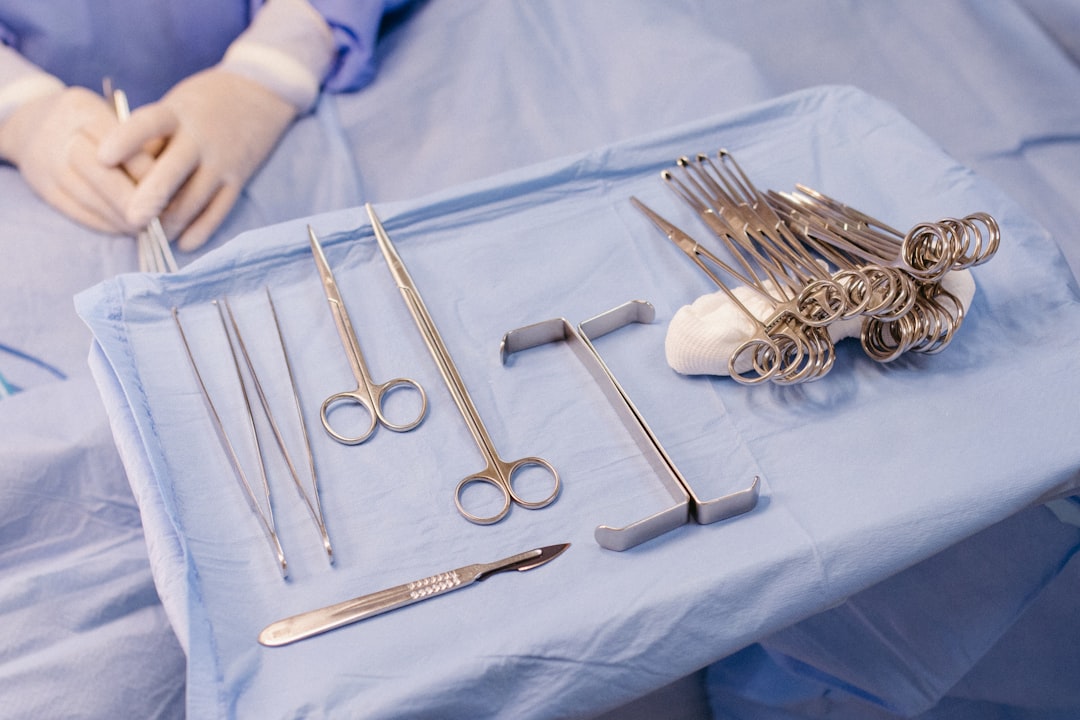
The scrub nurse works directly alongside the surgeon and assistants. Before the patient enters, they complete a surgical hand scrub with antiseptic agent, then gown and glove. From that point their movement is deliberately constrained to protect the sterile zone. Their hands-on duties include setting up the back table, assembling instruments, and ensuring nothing near the surgical site is contaminated.
Experienced scrub nurses do not wait to be asked. Because they know surgical anatomy and the individual surgeon's sequence, they anticipate the next instrument and pass it with a firm, deliberate motion so the surgeon never has to look away from the field. They also share responsibility with the circulator for counts: every sponge, needle, blade and instrument used during the case. That running tally is the control that prevents retained surgical items.
The circulating nurse: command and advocacy outside the field
While the scrub nurse focuses on the incision, the circulating nurse coordinates the room as a whole. Because they remain non-sterile, they can move freely around the perimeter, opening sterile supplies onto the field, managing electrosurgical units, tracking suction canisters, and working the documentation terminal.
The circulator meets the patient in pre-op holding, verifies consent, assesses anxiety, and accompanies them to the table. Once the patient is positioned, the circulator secures safety straps and places the electrosurgical grounding pad, then works with the anesthesia provider to align and pad bony prominences, the step that protects an unconscious patient from nerve injury and pressure damage.
Through the procedure they maintain the real-time record: incision and closure times, fluid balance, staff present, and every medication administered. When equipment fails or an unexpected instrument is needed, the circulator troubleshoots it or contacts sterile processing without interrupting the surgical flow.
The day-to-day changes considerably by surgical specialty. Three examples show how far the same two roles can diverge:
Cardiothoracic surgery (e.g. coronary artery bypass). The scrub nurse manages multi-tiered tables of fine cardiac instruments, clamps and sutures finer than hair, moving quickly through cannulation onto bypass, anticoagulation steps and cardioplegia delivery. The circulator tracks the perfusionist's parameters, documents transfusions, coordinates with the blood bank, and stands ready to troubleshoot temperature management or retrieve emergency equipment if the heart does not resume adequate function coming off pump.
Neurosurgery (e.g. craniotomy for tumor resection). These cases run on long stretches of micro-dissection under the operating microscope. The scrub nurse manages micro-instruments, ultrasonic aspirators and dural closure materials, placing micro-forceps and cottonoid patties directly into the surgeon's fingers without disturbing their view. The circulator manages head fixation in a Mayfield frame, runs intra-operative neuromonitoring, records baseline responses, and keeps the surgical navigation system calibrated.
Orthopedic trauma (e.g. ORIF of a fractured femur). Mechanically the most demanding setup. The scrub nurse handles heavy trays of drills, reamers, plates, locking screws and reduction forceps, and must know the sequence of bone fixation well enough to pass the correct drill bit, then depth gauge, then screw without prompting. The circulator positions the C-arm with the radiology technician, enforces lead shielding for everyone in the room, and opens an unpredictable range of implant sizes while recording component models and serial numbers for long-term traceability.
How to become an OR nurse
The path has three fixed steps and one optional one: complete an accredited nursing program, pass the NCLEX-RN, enter the specialty through a residency or transfer, and, later, certify. Everything else varies by employer.
Start with a nursing degree through either an ADN or BSN pathway. Which route you choose changes both how long it takes to become a nurse and what nursing school costs, so it is worth deciding deliberately rather than defaulting to whichever program admits you first. Graduating is only part of it: you then sit the NCLEX-RN, the National Council Licensure Examination for Registered Nurses, which is what converts a degree into an active, unencumbered RN license.
From there, most nurses enter the OR by one of two routes. The first is a hospital-sponsored perioperative residency built on a standardized curriculum for new graduates. The second is a conventional clinical orientation and preceptorship, more common when moving to a facility with its own onboarding pipeline. After accumulating intra-operative experience, you can validate that skill set with the optional CNOR certification.
Hiring norms have shifted here. Historically many hospitals required a year or two of med-surg experience before considering anyone for the OR or ICU. That expectation has weakened, because perioperative nursing is now widely recognized as a distinct discipline: general med-surg experience develops clinical judgment, but it does not teach sterile technique, instrument management or surgical positioning. Direct-entry pipelines into the specialty are now common.
The Periop 101 residency structure
If you are a pre-licensure student or a new graduate, the highest-value thing you can do is identify hospitals that run a formal perioperative residency. These are structured, paid cohorts, typically six to twelve months long. Many are built on the Association of periOperative Registered Nurses (AORN) "Periop 101: A Core Curriculum" program.
The curriculum pairs online modules with hands-on skills labs. Coursework covers anesthesia principles, wound healing, sterilization methods and environmental safety; the labs cover scrubbing, gowning, gloving and setting up simulated instrument fields, without the pressure of a live case. Two areas in particular get depth that pre-licensure programs rarely have time for:
Principles of sterilization. How the equipment actually works: high-vacuum steam autoclaves, ethylene oxide gas chambers, and low-temperature hydrogen peroxide plasma systems.
Surgical pharmacology. Medications applied directly in the field: topical hemostatic agents such as thrombin or bone wax, concentrated local anesthetics, and high-risk irrigation solutions.
After the classroom and lab components you move into a clinical preceptorship in live operating rooms, paired one-to-one with an experienced OR nurse. Rotations usually span general surgery, orthopedics, gynecology, neurosurgery, cardiothoracic and trauma, so you experience the different pacing, equipment and positioning demands of each. Your preceptor corrects sterile technique in real time, walks you through perioperative documentation, and coaches you on communicating with a range of surgical personalities.
The lateral transfer pathway
Moving from inpatient floor nursing into the OR is a realistic transition for experienced RNs, with a temporary learning curve. Hospitals actively recruit internal transfers because those nurses already bring clinical reasoning and fluency with the organization's documentation systems.
That background means training can skip foundational nursing concepts and concentrate on what is genuinely new: unlearning floor habits, sterile discipline, instrument recognition, and the physical tempo of fast room turnovers. With that focus, an experienced lateral transfer can typically expect to practice independently within four to six months.
Acing the OR interview
Interviewers for these posts are assessing judgment more than existing technical skill. Four things carry weight. First, evidence you work well inside rigid protocol. Have a concrete example of adhering to a checklist under pressure. Second, composure: you need to show you can absorb direct, immediate correction mid-case without it affecting your work. Third, comfort with equipment, including troubleshooting it quickly when it fails. Fourth, team orientation: closed-loop communication and shared accountability, because you will be in one room with the same small group for hours.
OR nurse salary and outlook
The U.S. Bureau of Labor Statistics reported a median annual wage of $93,600 for registered nurses as of May 2024. Specialized surgical roles often exceed that, but the federal data does not track a standalone "operating room nurse" wage. Practically, you start from the RN baseline and add shift differentials, facility premiums and certification-linked increases.
Surgery runs around the clock, so operating rooms use structured shift patterns, and those patterns are where much of the earning potential sits. On-call pay is a flat hourly rate for remaining available within a defined response window. Call-back pay is the larger component: typically time-and-a-half or double-time from the moment you are called in for an urgent case. Shift differentials add further hourly premiums for nights, weekends and late-evening trauma coverage.
Geography and facility type both matter. Metropolitan areas on the West Coast and in the Northeast pay the highest rates, largely offsetting cost of living. Level 1 trauma centers offer premium pay and faster clinical advancement, but with heavy call obligations. Ambulatory surgery centers handle lower-acuity scheduled cases: you forgo most call-back earnings in exchange for predictable daytime hours with weekends and holidays off.
CNOR certification and the OR environment
CNOR is the recognized perioperative credential, administered by the Competency & Credentialing Institute. Eligibility is specific: an active RN license, current employment in a perioperative role, and a minimum of two years and 2,400 hours of operating room experience, of which at least 1,200 hours must be in the intra-operative phase.
Beyond the credential, the OR is a distinct working environment, and it suits some people considerably better than others. A few honest indicators:
An exacting eye for detail, so breaks in sterile technique register immediately.
A preference for sustained, single-focus work over managing several patients concurrently.
Physical and sensory tolerance: standing for long periods, often under lead, amid ventilator alarms, surgical smoke and continuous equipment noise.
Willingness to speak up regardless of hierarchy when patient safety is involved, using structured escalation language.
The last one matters more than it sounds. You are in one room for hours with the same surgeon, anesthesia provider and scrub personnel. That proximity builds genuinely tight teams, where people read each other's cues without speaking, but it only works if everyone is prepared to raise a concern out loud.
Written by · Verified educator
Testavia editorial
Nathan Cole
RN
Medical-Surgical nurse & health writer
Meet Nathan, a registered nurse with over five years of experience in Medical-Surgical care, based in New York City. Having worked with a wide range of patients through some of their most vulnerable moments, Nathan brings a grounded, real-world perspective to his writing on healthcare. His goal is simple: to bridge the gap between medical knowledge and everyday understanding, making health topics feel less intimidating and more empowering for everyone. When he's not caring for patients, Nathan channels his passion for medicine into writing that educates, comforts and inspires.
5+
Years in Med-Surg
Medical-Surgical
Specialty
New York City
Based in